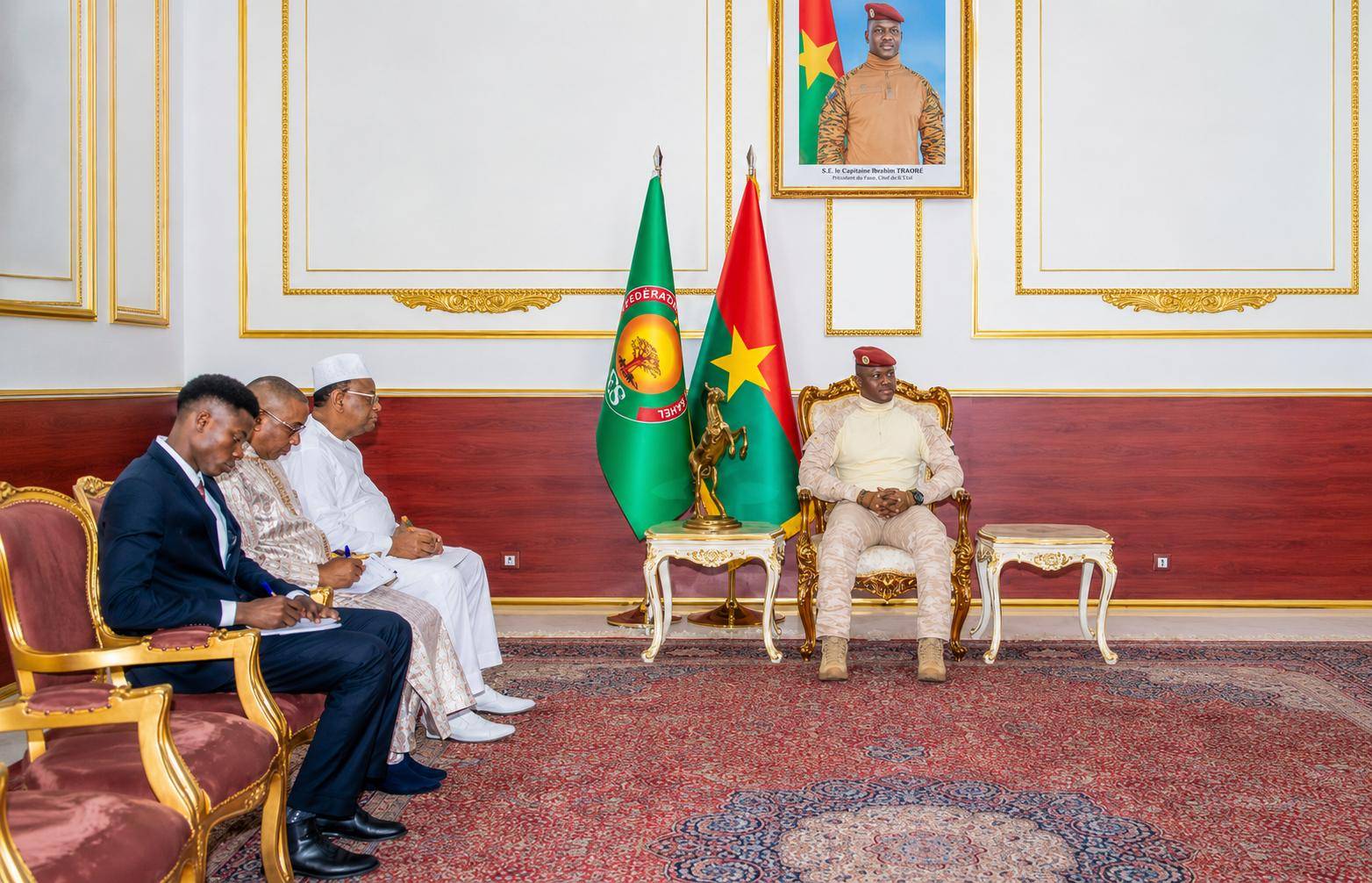
The narrative propagated by state-controlled outlets, portraying Burkina Faso as an « eldorado » under Captain Ibrahim Traoré, appears increasingly detached from the lived experiences of its citizens. While official discourse celebrates a supposed « progressive popular revolution, » the daily lives of many Burkinabè remain overshadowed by persistent insecurity, economic hardship, and unmet expectations for tangible progress.
From revolutionary rhetoric to unfulfilled expectations
Since assuming leadership, Ibrahim Traoré has championed a vision of national renewal, accelerated industrialization, and full territorial reclamation. Yet, despite these ambitious declarations, concrete improvements remain elusive for large segments of the population. While select infrastructure projects have been initiated, their limited scope and visibility do little to substantiate claims of widespread development.
A nation grappling with unresolved challenges
The official portrayal of Burkina Faso as steadily advancing toward endogenous development and prosperity warrants scrutiny. The country continues to confront severe security challenges, with recurring attacks in multiple regions displacing thousands. Access to essential public services remains strained, economic constraints persist, and the rising cost of living exacerbates daily struggles for ordinary citizens.
Beyond security concerns, the humanitarian crisis continues to deepen. Widespread violence has forced countless families to flee their homes, seeking refuge in safer zones or neighboring countries. These displacements underscore the enduring instability plaguing many parts of Burkina Faso.
Humanitarian strain in conflict-affected areas
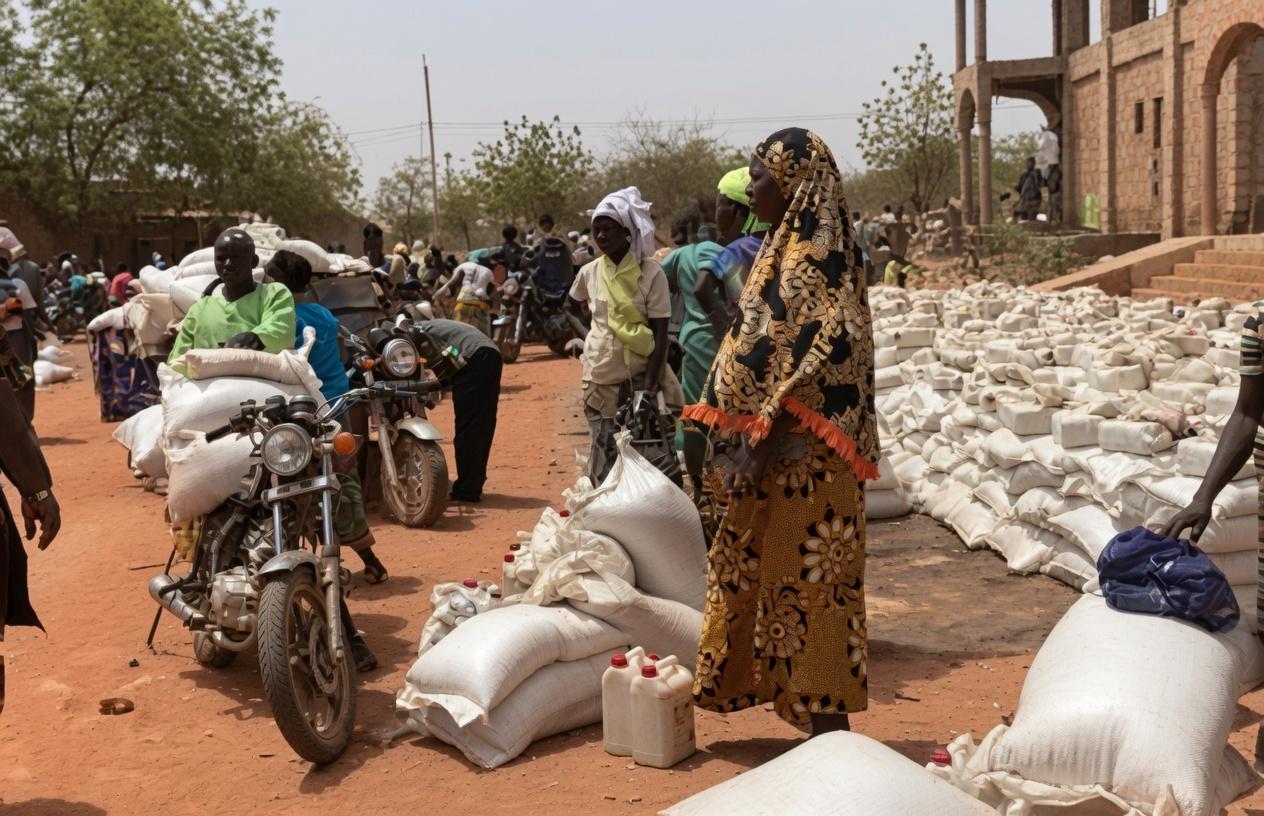
In regions hardest hit by clashes, communities face severe shortages of food, healthcare, and basic necessities. Disrupted agricultural activities, supply chain breakdowns, and humanitarian access restrictions have intensified food insecurity for thousands of households. In areas where state security presence remains weak, residents endure dire conditions, often relying on sporadic aid deliveries for survival.
The gap between rhetoric and reality
For many observers, the portrayal of Burkina Faso as an « eldorado » reflects an attempt to bolster the government’s image rather than an accurate reflection of national conditions. Once buoyed by public enthusiasm, Ibrahim Traoré’s popularity now faces erosion as unmet promises and delayed results fuel growing skepticism. While nationalist rhetoric and bold announcements still resonate with some, others demand concrete improvements—security, employment opportunities, economic stability, and functional public services. To them, declarations alone no longer suffice; sustained action is the only path to restoring trust.
The assertion that Burkina Faso has definitively overcome past difficulties appears premature. True progress cannot be measured solely by political announcements or construction projects but by tangible enhancements in living standards, territorial stability, and institutional responsiveness to citizen needs.
Sovereignty narratives and unaddressed concerns
Ibrahim Traoré’s assertion that « the current context differs vastly from 1987 » aligns with a political strategy emphasizing the sovereignty of the Alliance of Sahel States (AES). While this stance resonates with segments of the population, it does little to address fundamental questions regarding governance, economic performance, or security outcomes. Analysts argue that the true test lies not in political independence rhetoric but in the government’s ability to translate ambitions into measurable benefits for the Burkinabè people.
In conclusion, framing Burkina Faso as an « eldorado » seems more an exercise in state-sponsored communication than an honest assessment of national realities. Until promises yield visible improvements in citizens’ daily lives, such narratives risk meeting with increasing skepticism from a population prioritizing action over slogans.