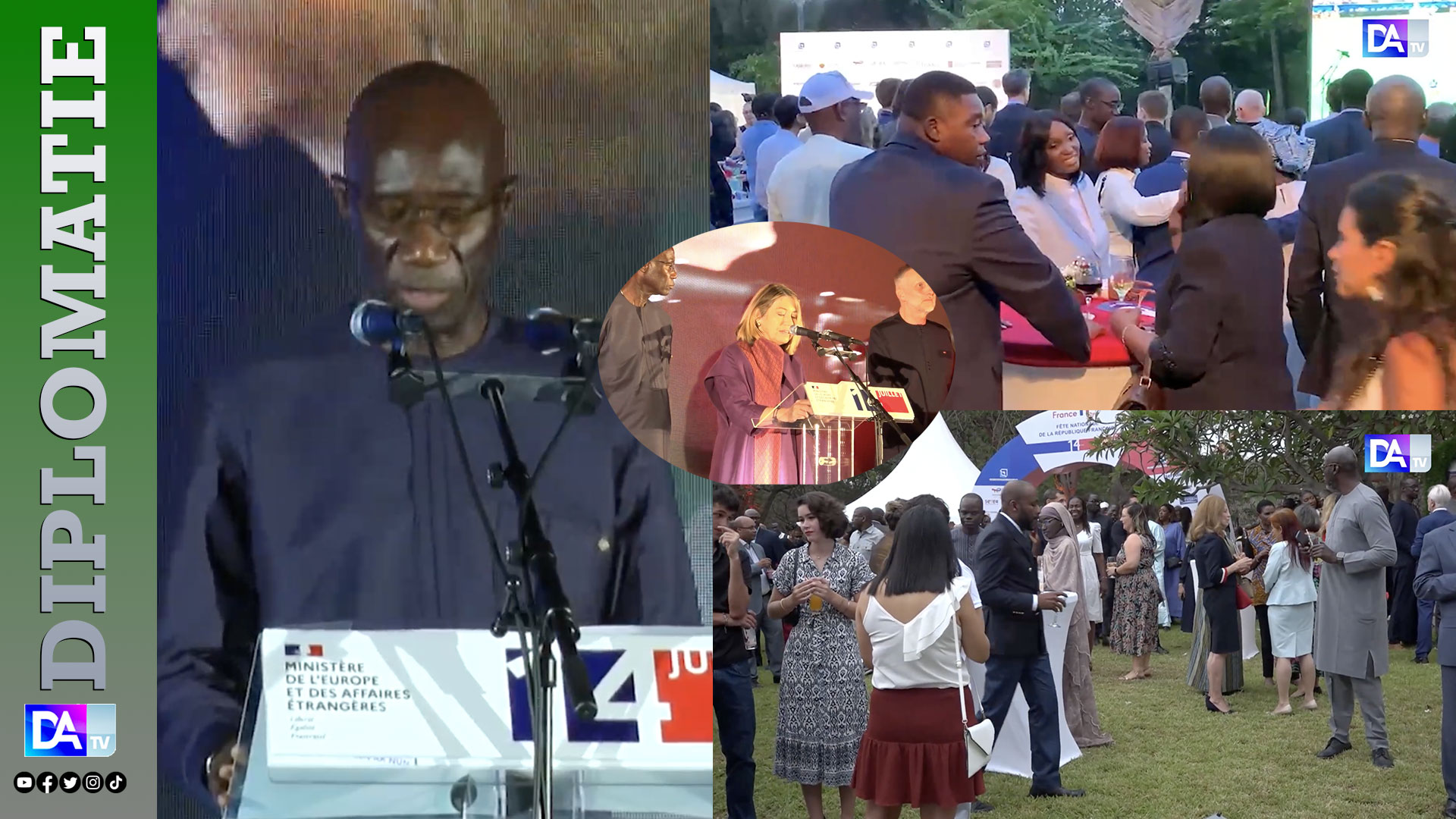
As France celebrated its National Day, Senegal was represented by its Minister of Foreign Affairs, Me Moussa Sarr, who delivered a speech highlighting the enduring and evolving nature of the bilateral relationship between Dakar and Paris. He described the ties as deeply rooted in history, culture, economics, science, and education, yet emphasized the need for a fresh approach to align with the aspirations of both nations and the shifting dynamics of the region.
The minister underscored the foundational principles guiding this renewed partnership: mutual respect for sovereignty, reciprocal trust, open dialogue, equal footing, and shared benefits. These values, he argued, are essential to navigating the complexities of today’s global landscape while addressing the specific needs of West Africa.
Key sectors identified for enhanced cooperation included education, vocational training, healthcare, infrastructure, transport, agriculture, energy, sanitation, territorial development, research, and innovation. Notably, he praised France’s role in supporting higher education and vocational programs, as well as initiatives that foster decentralized cooperation and mobilize the Senegalese diaspora through targeted solidarity programs. He also extended Senegal’s gratitude to the French government for its support in preparing for the 2026 Youth Olympic Games, particularly in logistics, security, and emergency response.
addressing shared challenges and historical sensitivities
Me Moussa Sarr also addressed the sensitive issue of historical memory, acknowledging ongoing constructive dialogues to improve access to archives and declassify documents. Additionally, he mentioned collaborative training programs for archivists and heritage professionals from both countries, alongside French expert involvement in archaeological projects, though specific sites were not disclosed.
The minister went on to highlight pressing international concerns, including security, climate change, energy transition, food sovereignty, global economic governance, mobility, peace, and stability. He called for a revitalized multilateralism and balanced partnerships to tackle these challenges effectively. He praised the high-level exchanges between the two nations and announced upcoming bilateral meetings, such as intergovernmental seminars, to shape the priorities of a forward-looking partnership.