Since the early 2000s, African nations have increasingly adopted legislation and quota systems to promote gender parity in political institutions. While some countries have made significant strides, others continue to grapple with systemic barriers that limit women’s representation in decision-making roles.
Senegal’s legislative progress and political realities
In Senegal, a groundbreaking parity law enacted in 2010 mandates gender alternation on electoral lists for multiple election types. This policy has notably boosted female representation in the National Assembly and local government bodies. Yet, the law does not extend to cabinet appointments, leaving the president’s discretion as the sole determinant of women’s presence in government.
Despite the presence of women in parliament, their influence remains constrained by the absence of enforced quotas in executive leadership. The political landscape reflects a persistent gender gap, where women occupy fewer strategic positions, underscoring the need for more inclusive governance structures.
Chad’s bold strides toward balanced representation
Chad has taken a more comprehensive approach to gender parity, with a 2018 ordinance establishing equal access for men and women to both elective and appointive positions. A 2021 decree further solidified this commitment by requiring a minimum 30% representation of women in government, major institutions, and central and local administrations.
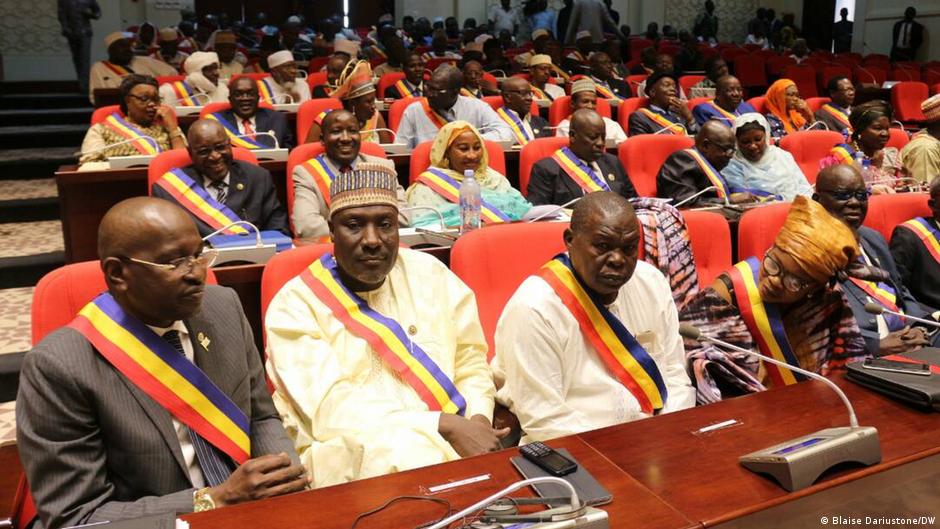
Recent electoral reforms have also introduced mandatory mechanisms to boost female candidates on ballots. These efforts bore fruit in the 2024-2025 elections, where women secured 34% of National Assembly seats—64 out of 188 deputies. Similarly, the April 2026 cabinet reshuffle saw 12 women appointed among 37 ministers, delegates, and secretaries of state, achieving a 32% representation.
Despite these advancements, challenges persist. Deep-rooted social, economic, and cultural barriers continue to hinder women’s full participation in politics, highlighting the gap between legislative progress and societal transformation.