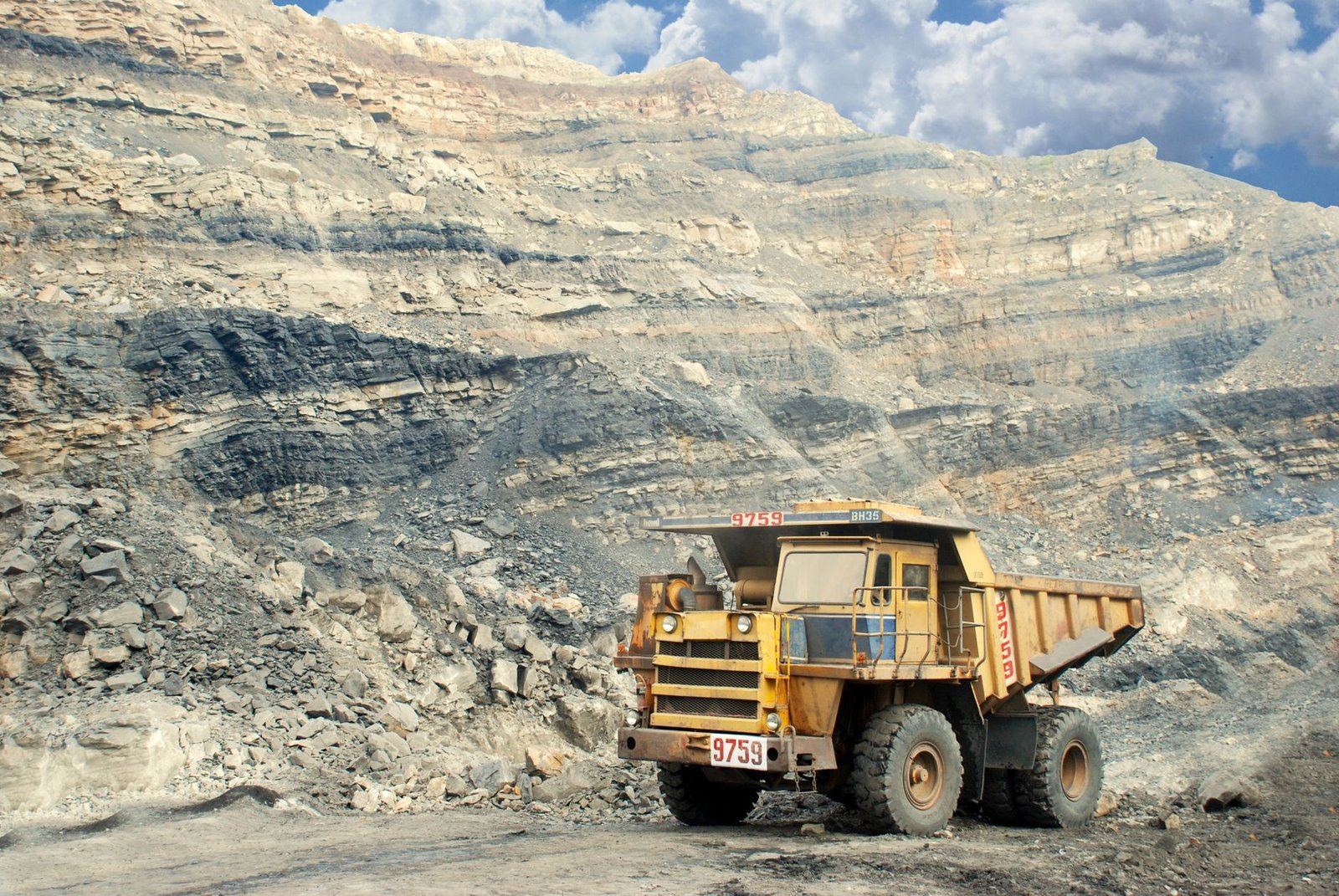
The Democratic Republic of Congo (DRC) stands at the crossroads of a global minerals rush, its vast underground wealth of cobalt, copper, lithium, coltan, and rare earths making it a linchpin for the energy transition and advanced electronics. For Kinshasa, the pressing question isn’t whether these resources are in demand—it’s how to harness them to build a sustainable industrial future, breaking free from the extractive model that has long stripped the country of added value.
Global dynamics are aligning in the DRC’s favor. The surging demand for electric vehicle batteries, the semiconductor boom, and shifting supply chains between Washington, Brussels, and Beijing have thrust the nation into a high-stakes geopolitical game. Yet raw geological advantage alone has never translated into skilled jobs, stable revenue, or local transformation. The Congolese challenge? Reversing this entrenched pattern.
From raw ore to industrial backbone
The government’s strategy hinges on one core principle: capturing more value downstream of extraction. This means refining cobalt and copper on-site, establishing battery precursor production units, and eventually assembling components for continental markets. A recently signed agreement with Zambia to create a regional electric battery value chain underscores this vision, alongside ongoing negotiations with partners from the United States, Europe, China, and the United Arab Emirates.
Yet this transformation faces steep structural hurdles. Chronic energy shortages persist despite the Congo River’s vast hydroelectric potential. Logistics infrastructure, stretching from Katanga to ports on the Indian or Atlantic oceans, remains costly and fragile. A shortage of skilled labor in fine metallurgy and industrial chemistry further complicates progress. Each bottleneck demands long-term investment, often at odds with the short electoral cycles of Congolese politics.
Debt traps and the sovereignty equation
To fund this industrial leap, Kinshasa is exploring multiple avenues: public-private partnerships, joint ventures with state-owned Gécamines, infrastructure-for-minerals barter deals, and sovereign borrowing. Each path carries risks. The barter model, exemplified by Sino-Congolese agreements, secures infrastructure but muddies the valuation of extracted minerals. Traditional debt financing, meanwhile, exposes the country to the volatility of cobalt and copper prices.
The recent renegotiation of mining contracts—particularly with Chinese partners—signals a push to rebalance the distribution of mineral wealth. The DRC aims to secure higher tax revenues, tighter control over export volumes, and enforce local processing clauses. The balancing act is delicate: too much pressure deters investment; too little perpetuates dependency. The debt service burden further tightens fiscal space, leaving little room for maneuver.
Governance, regional integration, and the 2030 horizon
The success of the DRC’s strategy will hinge on the quality of its mining governance. Tracking artisanal cobalt, curbing informal trade, ensuring contract transparency, and enforcing environmental and social standards are no longer optional—they’re gateways to global markets. The Extractive Industries Transparency Initiative (EITI) and supply chain certifications are fast becoming non-negotiable benchmarks for investors, both Western and Asian.
Regional cooperation will also be decisive. The African Continental Free Trade Area (AfCFTA) offers a pathway to expand markets for a future Congolese battery and advanced materials industry. Partnerships with Zambia, Angola, and Tanzania—anchored by the Lobito Corridor and the Tazara Railway—could lay the groundwork for an integrated production hub. But this requires harmonized fiscal and customs frameworks across borders.
By the end of the decade, the DRC faces a make-or-break moment. If Kinshasa can marry fiscal discipline, industrial upgrading, and diversified partnerships, the country could pivot from a rentier economy to one of transformation. Failing that, its mineral wealth risks remaining a potential untapped by its 100 million citizens. The equation is clear: convert geological advantage into real economic sovereignty—or remain a resource-rich but underdeveloped nation.