The Republic of Benin is writing a new chapter in its cultural sovereignty, turning the return of its ancestral treasures into a strategic driver for both economic revitalization and national pride. Following the landmark restitution of historical artifacts in previous years, Cotonou has now taken a decisive step by establishing a National Scientific Committee on July 14, 2026, to oversee the repatriation of 35 additional cultural treasures and colonial-era archives currently held in France.
a strategic alliance: heritage, identity, and diplomacy
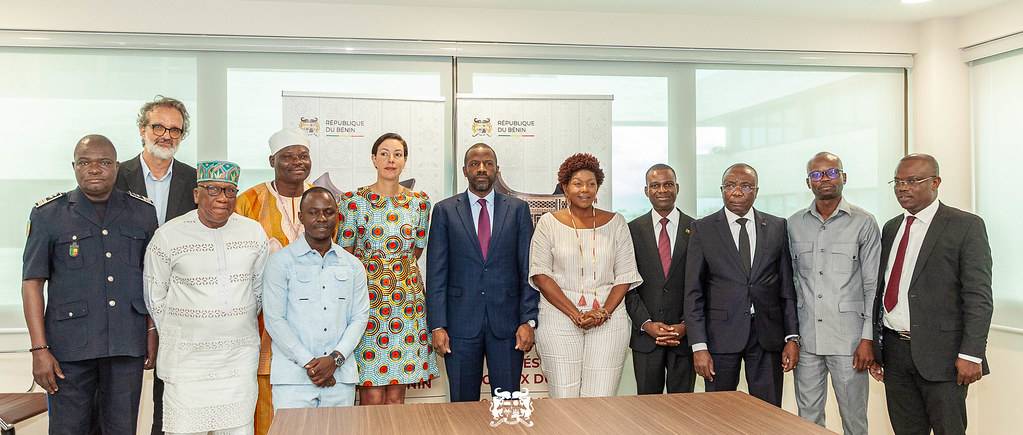
This initiative is not merely symbolic; it is a deliberate policy pivot. The Beninese government has formally requested the return of these invaluable pieces—each with deep historical significance—marking a bold continuation of the country’s leadership in cultural restitution across Sub-Saharan Africa. The newly formed committee, comprising six distinguished experts led by Alain Godonou, a respected figure in African heritage preservation, is tasked with strengthening the nation’s diplomatic and scientific case. In close collaboration with a future joint Franco-Beninese commission, the committee will ensure the meticulous preparation of dossiers and the seamless transfer of these treasures.
Speaking during the committee’s inauguration, the Minister of Culture, Arts, and Heritage, Yassine Latoundji, emphasized the profound responsibility entrusted to the experts: “Your mission demands intellectual rigor, impartiality, collective collaboration, a commitment to the public good, and an unwavering fidelity to historical truth.” These words underscore the gravity of the endeavor—not just for the nation’s past, but for its future.
from cultural revival to economic momentum
While the moral and historical dimensions of restitution are undeniable, Benin sees this process as a powerful economic catalyst. Across cities like Cotonou, Abomey, and Ouidah, culture is no longer viewed as a financial burden but as a productive sector capable of generating thousands of jobs—both directly and indirectly. The return of these artifacts is expected to invigorate multiple industries, from hospitality and tourism to artisanal crafts and event management, creating a ripple effect of opportunity.
building world-class cultural infrastructure
To ensure these returned treasures are preserved and celebrated, Benin is investing in state-of-the-art cultural infrastructure. In Abomey, the future Museum of Kings and Amazons will stand as a grand tribute to the legendary Kingdom of Dahomey. In Porto-Novo, the International Museum of Vodun aims to dispel misconceptions and honor a spiritual tradition that transcends borders. Meanwhile, the historic forts of Ouidah—once central to the transatlantic slave trade—are being restored to anchor a sustainable memorial tourism sector. These projects are not only cultural landmarks but also magnets for foreign investment and hubs for local expertise in museography, cultural mediation, and art restoration.
tourism as a catalyst for prosperity
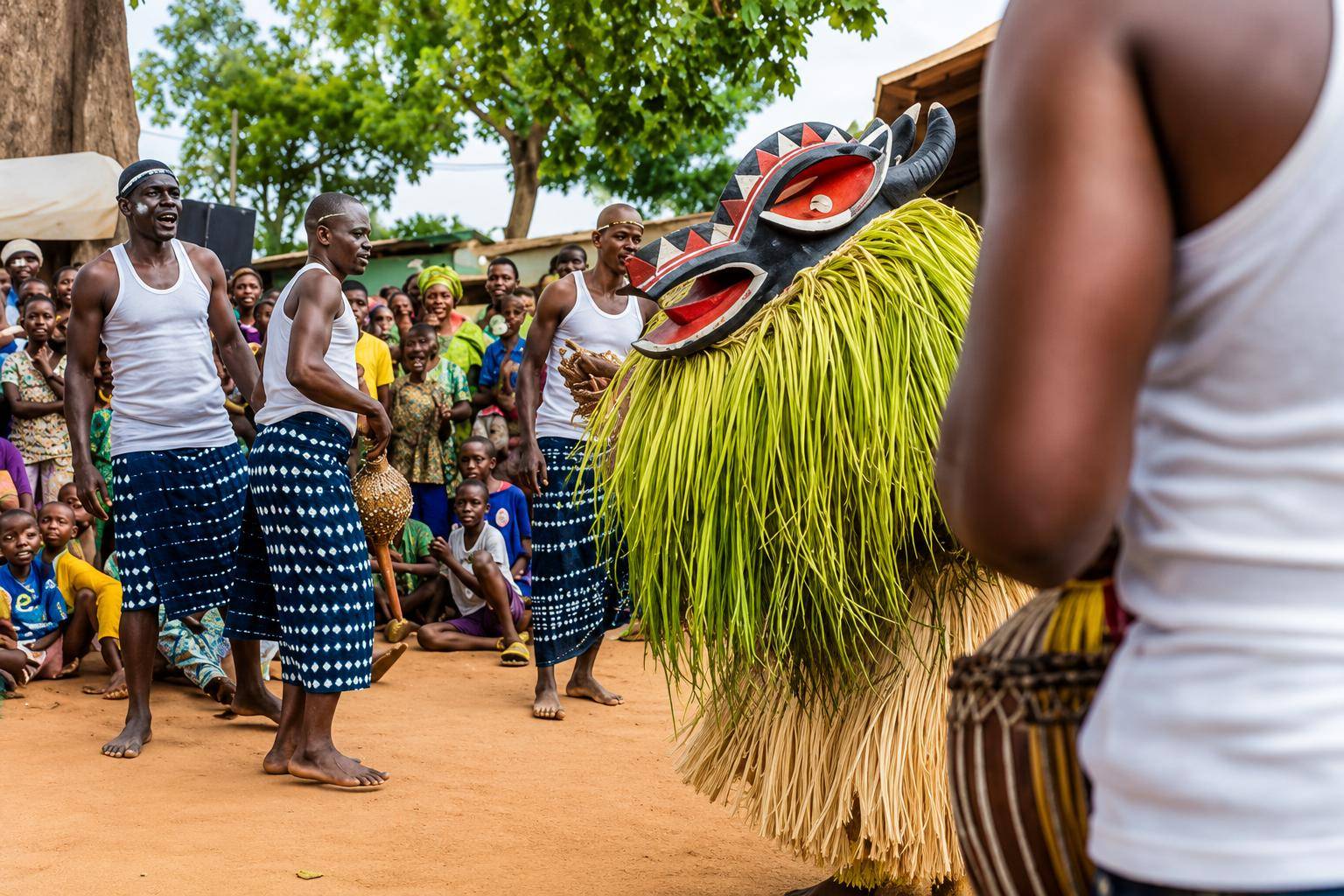
The arrival of 35 new cultural artifacts and archives will significantly enrich Benin’s museum landscape, drawing in regional and international visitors. Hotels and restaurants in Cotonou and nearby cities anticipate a surge in bookings, while artisans—especially bronze workers, weavers, and wood sculptors—are expected to see renewed demand for their crafts, inspired by the historical pieces being returned. Guides, drivers, and event organizers will also benefit as a vibrant cultural ecosystem takes shape, fostering entrepreneurship and local pride.
the heartbeat of the nation: voices from the ground
In the bustling markets of Cotonou’s Dantokpa district, artisans like Séraphin, a bronze craftsman, express deep emotional and practical connections to the returned treasures. “These objects are more than museum pieces,” he says. “They carry the spirits of our ancestors and the knowledge we were once stripped of. Their return is the restoration of our soul—and if it brings visitors to our workshops, it gives our youth a future.”
At the University of Abomey-Calavi, students and researchers like Amélie, a PhD candidate in history, see the repatriated archives as a transformative academic opportunity. “For too long, accessing our own colonial history meant traveling to Paris or Aix-en-Provence,” she notes. “Now, with these archives back on our soil, we can write our story in our own language, on our own land—a true revolution in scholarship.”
This groundswell of public support is the foundation of the government’s vision. Cultural restitution in Benin is not an elite endeavor; it is a grassroots movement that strengthens national cohesion and empowers communities across the country.
a new era of equitable partnership
By launching the National Scientific Committee on France’s national holiday, Benin sends a clear message: this is not a confrontation, but a mature, balanced collaboration. The two nations are redefining post-colonial relations through mutual respect, knowledge exchange, and shared expertise. The roadmap is already in motion: the committee’s establishment in July 2026 marks the beginning of a methodical process. By the end of the year, Beninese experts will finalize the documentation for all 35 artifacts and archives in close coordination with French institutions. The ultimate milestone—official transfer—is slated for 2027, pending validation by the joint commission.
a model for the 21st century
Benin’s approach demonstrates that cultural restitution is far more than a gesture of historical justice. By scientifically structuring its claims, preparing meticulously for the return, and integrating these treasures into a broader economic strategy, Cotonou is transforming heritage into a tool for political emancipation, popular pride, and sustainable development. As these 35 artifacts and archives prepare to journey home, Benin is not only reclaiming its past—it is building a future where culture is a living, thriving asset.