The natural riches of a nation should empower its sovereignty—not fuel its instability. This principle guided the Democratic Republic of Congo’s bold diplomatic stance at the United Nations this week.
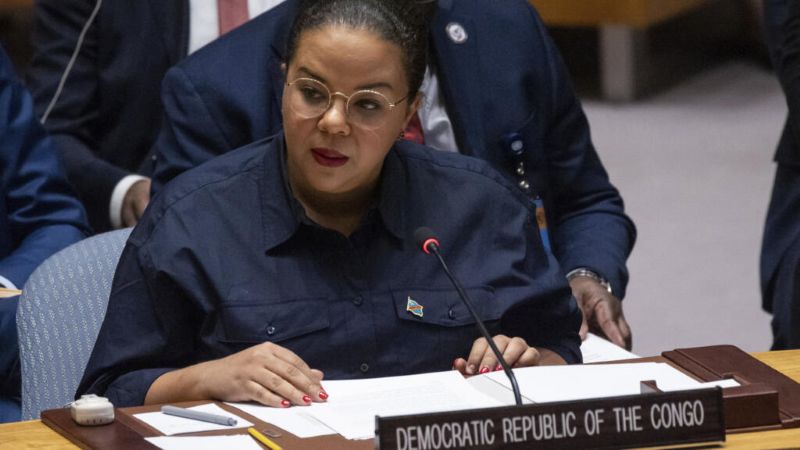
On July 14, 2026, Kinshasa raised the stakes in New York by not only defending its economic interests but also challenging a global system it argues has long marginalized mineral-rich countries. Speaking at the UN High-Level Meeting on Critical Minerals for the Energy Transition, Foreign Minister Thérèse Kayikwamba Wagner delivered a sharp critique of the status quo and outlined a vision to transform the DRC from a raw material supplier into a leader in industrial processing.
From exporter to industrial hub: Kinshasa’s bold ambition
In a speech blending diplomacy and geopolitical urgency, the Congolese foreign minister questioned the fairness of a system where resource-rich nations export unprocessed minerals while the added value flows to consumer countries. “The real issue is no longer where minerals come from,” she declared, “but where the value they generate actually remains.”
Kayikwamba Wagner called for substantial investments in infrastructure, energy, research, technology, and the modernization of artisanal mining—aiming to position the DRC as Africa’s next industrial pole for strategic minerals essential to electric batteries, digital technologies, and renewable energy.
The DRC rejects being confined to the role of passive exporter. Instead, Kinshasa now demands a new partnership model based on technology transfer, capacity building, and equitable distribution of wealth across global supply chains.
Rwanda in the crosshairs: illicit mineral trade fuels conflict in eastern DRC
The Congolese delegation did not limit its critique to systemic inequities. It specifically targeted Kigali, citing findings from UN expert reports that reveal how Rwanda has allegedly benefited from the illegal exploitation of Congolese minerals—particularly coltan from Rubaya, a region supplying nearly 15% of global demand.
According to UN findings, at least 1,400 tons of coltan were smuggled into Rwanda following the takeover of the area by the M23 armed group—backed by Kigali. This illicit trade is estimated to generate around $800,000 monthly for the armed movement. Despite these findings, Rwanda’s armed forces remain unsanctioned by the UN, a reality the Congolese foreign minister condemned as evidence of the international community’s failure to curb resource-driven conflicts.
Linking natural resources, peace, and global security
During its presidency of the UN Security Council, the DRC has championed a more integrated approach: tying the governance of critical minerals directly to peace, security, and sustainable development. Kayikwamba Wagner urged accountability across the entire supply chain—producers, traders, processors, financial institutions, industries, and consumer nations—to ensure mineral traceability effectively combats fraud, smuggling, and armed group financing—without harming legitimate artisanal miners.
A diplomatic offensive with far-reaching implications. Kinshasa is not merely seeking protection for its resources; it demands a fundamental overhaul of global governance in the energy transition. The message delivered at the UN underscores a shift: the DRC is no longer content to be a passive participant. It now insists that producer countries receive fair economic benefits from their natural endowments and that illicit exploitation stops funding conflict.
By framing the debate around critical minerals within the broader context of international peace, security, and sustainable development, the Congolese government is elevating the issue to the heart of global policy discussions—while intensifying pressure on Rwanda over the illegal exploitation of resources in eastern DRC.