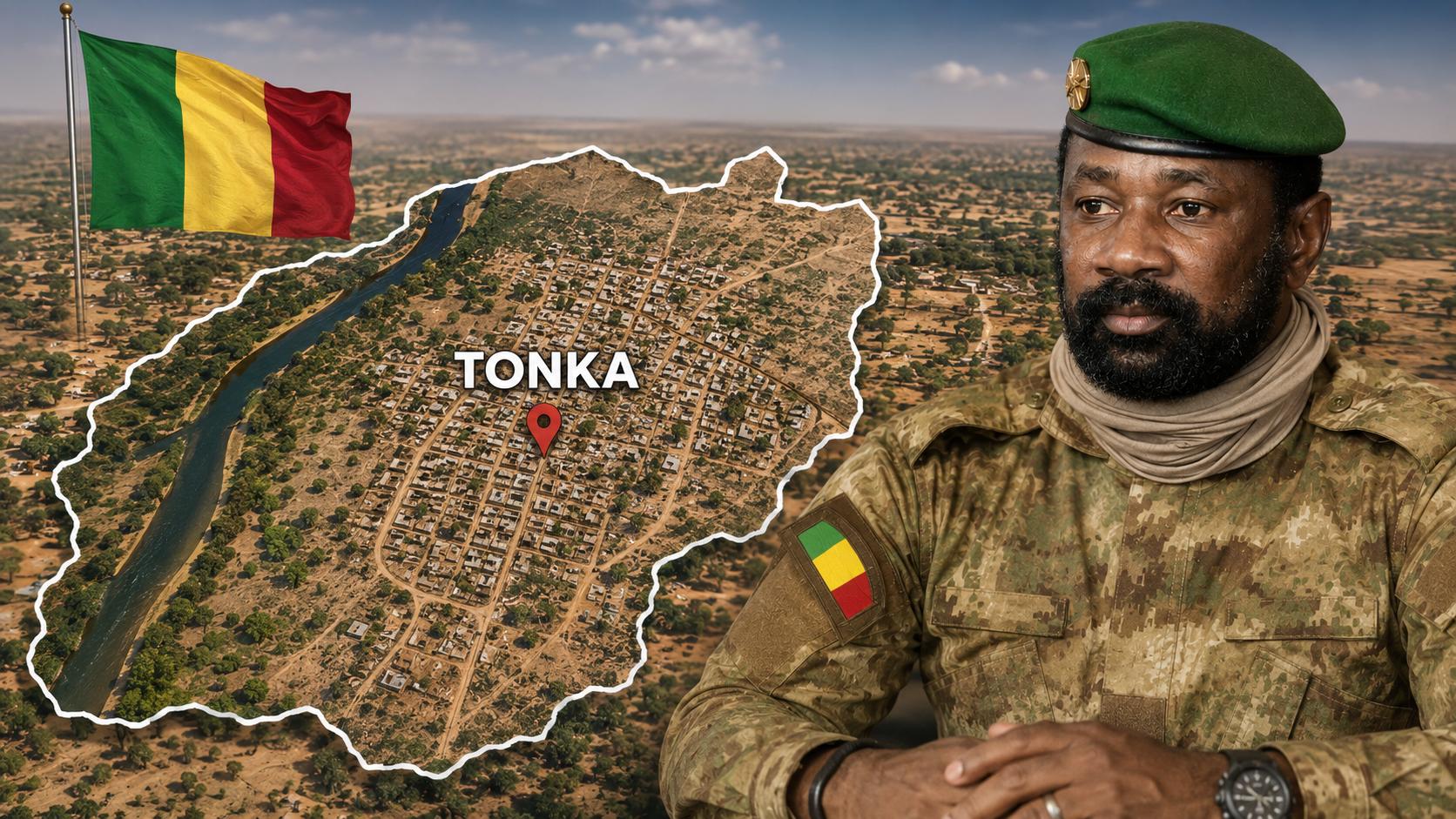
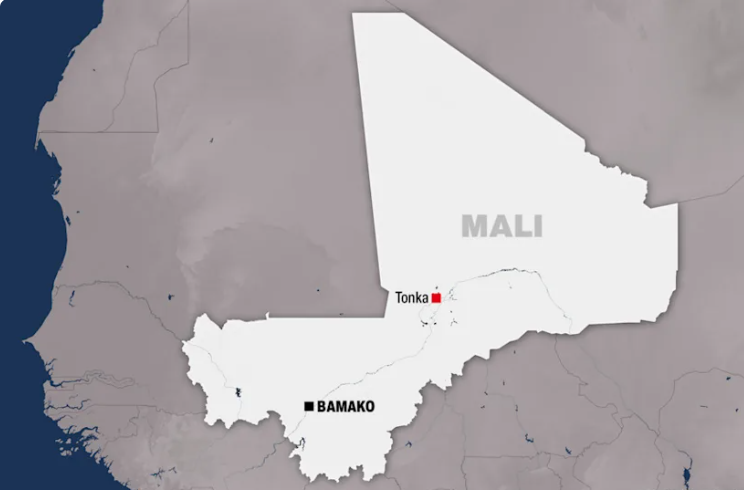
Another violent episode attributed to the Group for the Support of Islam and Muslims (JNIM) has left deep scars across Mali, underscoring the enduring threat posed by armed groups in multiple regions. Reports confirm that militants launched a deadly assault on a civilian settlement, resulting in significant loss of life and forcing families to flee their homes in search of safety.
The attack comes despite intensified military operations over recent months, raising concerns about the persistent ability of armed factions to strike deep into areas far from major urban centers. This latest incident highlights the ongoing challenge authorities face in securing the entire country and protecting vulnerable populations.
The spread of violence has expanded beyond traditional conflict zones. The tragic killing of Malian blogger and influencer Mariam Cissé—widely linked to JNIM by human rights observers—has sent shockwaves through the nation. Known for her vocal support of the Malian Armed Forces on social media, she was reportedly abducted before being executed by jihadist fighters. This act transcends mere brutality; it reflects a deliberate strategy to instill fear by targeting not only security personnel but also prominent civilians and public figures whose views challenge extremist ideology.
Since seizing power, the Malian authorities have prioritized military strengthening as a core response. Recent acquisitions of advanced weaponry, expanded security partnerships, and increased field operations signal a firm commitment to regain control over insurgent-held territories. Yet, the recurrence of such attacks and targeted assassinations, like that of Mariam Cissé, raises critical questions about the limits of a purely military approach.
Many analysts argue that combating extremism requires more than just armaments or troop deployments. While these measures are vital for protecting communities and reclaiming lost ground, they do little to address the root causes of instability that fuel recruitment into armed groups.
Frequently cited factors include crumbling school infrastructure, unequal access to education, youth unemployment, and a lack of economic opportunities. Experts increasingly emphasize that investing in accessible, high-quality education from an early age can serve as a powerful tool to weaken the influence of extremist organizations over time.
For Mali’s leadership, the path forward demands a balanced strategy: sustaining and enhancing defense capabilities while simultaneously implementing public policies that address the social and economic grievances of its people. A holistic approach—integrating security, education, local development, and governance reforms—could offer a more resilient foundation for long-term stability in a country and region grappling with over a decade of conflict.
The pattern of civilian massacres and targeted killings reveals a disturbing trend: the threat is no longer confined to armed clashes but is increasingly directed at anyone perceived as opposing extremist agendas. Observers warn that Mali’s future stability will hinge not only on the military’s ability to contain armed factions but also on the state’s capacity to restore public trust, fortify institutions, and provide young people with meaningful opportunities rooted in education, employment, and civic engagement.