Sénégal, Middle East conflict and the road to the 2026 World Cup
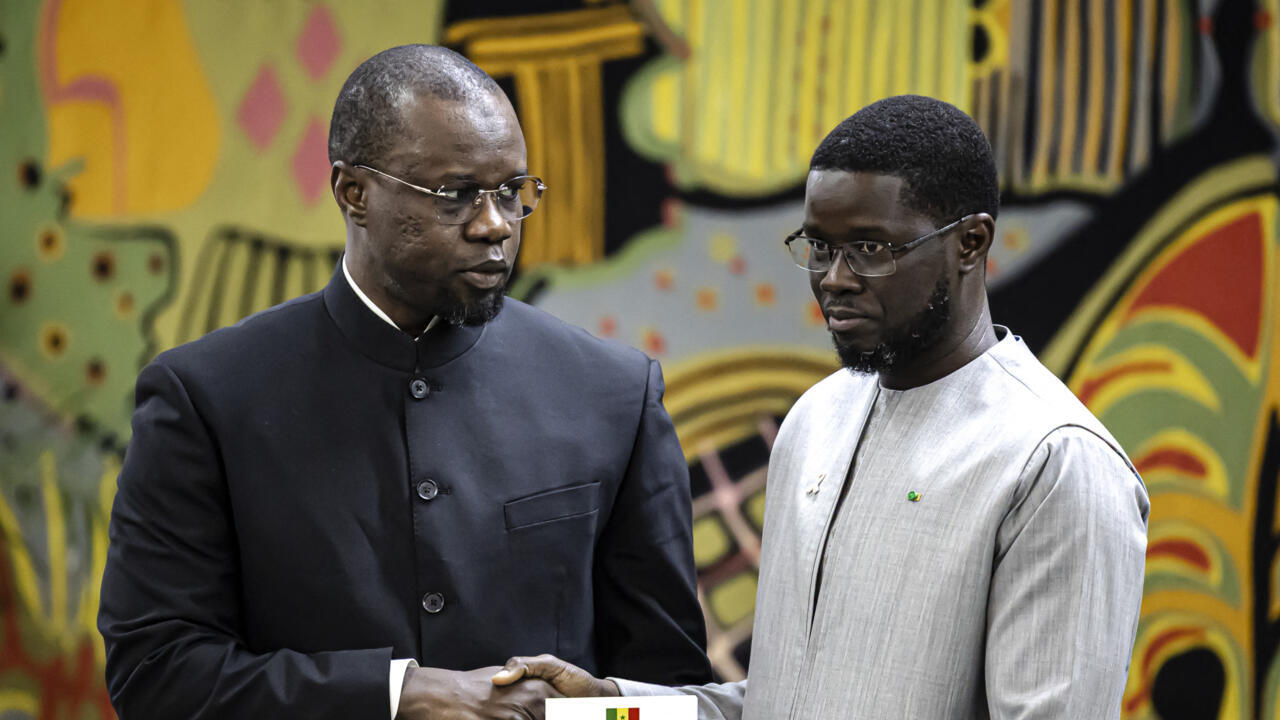
The political landscape in Sénégal is undergoing significant transformations as President Bassirou Diomaye Faye advances his agenda, despite legal hurdles. With the recent establishment of a presidential party and the Constitutional Council’s rejection of a parliamentary reform proposed by the ruling Pastef coalition led by Ousmane Sonko, the question arises: Can this strategy secure the backing of the opposition and sway public opinion?
Meanwhile, global tensions are escalating in the Middle East. Following recent military exchanges and retaliatory strikes, Donald Trump declared the ceasefire “over,” dismissing negotiations with Tehran as a “waste of time.” The looming threat of further U.S. military operations casts doubt on the region’s stability. Is another conflict spiral inevitable?
Each week, African journalists and analysts dissect the most pressing issues shaping the continent and beyond. This week’s contributors include:
- Wuldath Mama, Beninese journalist specializing in international affairs
- Eric Topona, Chadian journalist with Deutsche Welle’s Francophone Africa desk
- François Hiondi Nkam, veteran reporter and Economics Editor at Cameroon’s Le Jour