Senegal’s political landscape shaken by Diomaye Faye and Macky Sall meeting
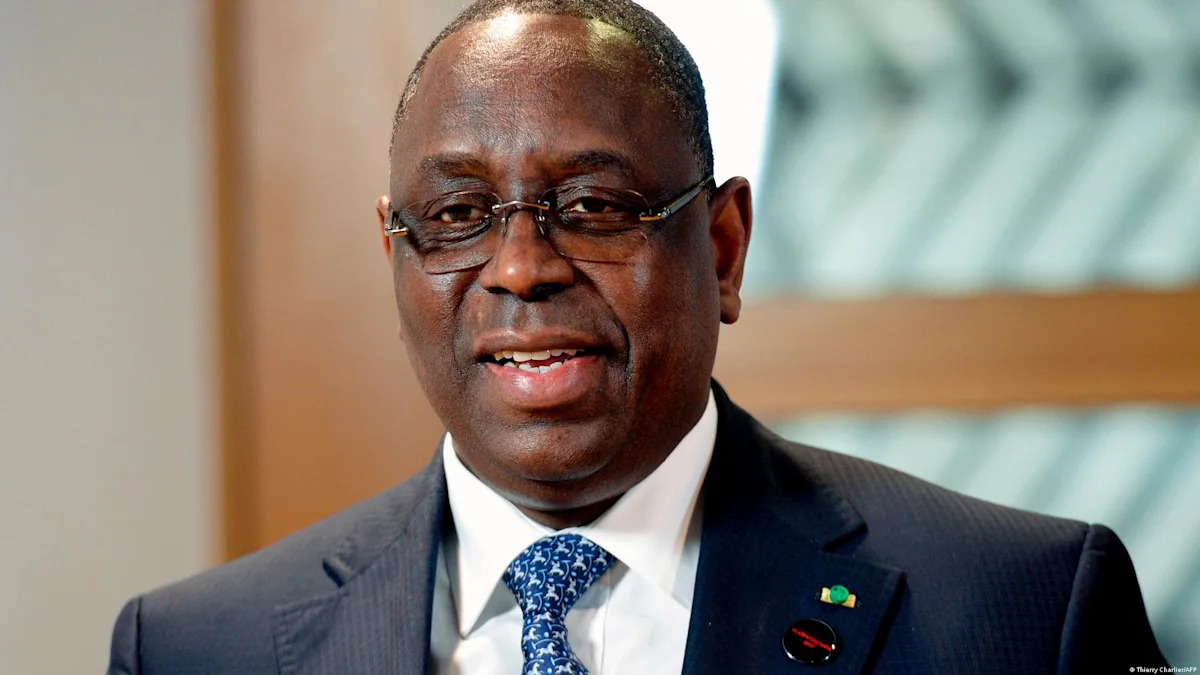
The upcoming meeting between Senegalese President Bassirou Diomaye Faye and his predecessor Macky Sall has ignited fierce debate across the nation. Families of victims from the 2021-2024 political repression era view this encounter as untimely, particularly as justice and reparations remain pending for their loved ones.
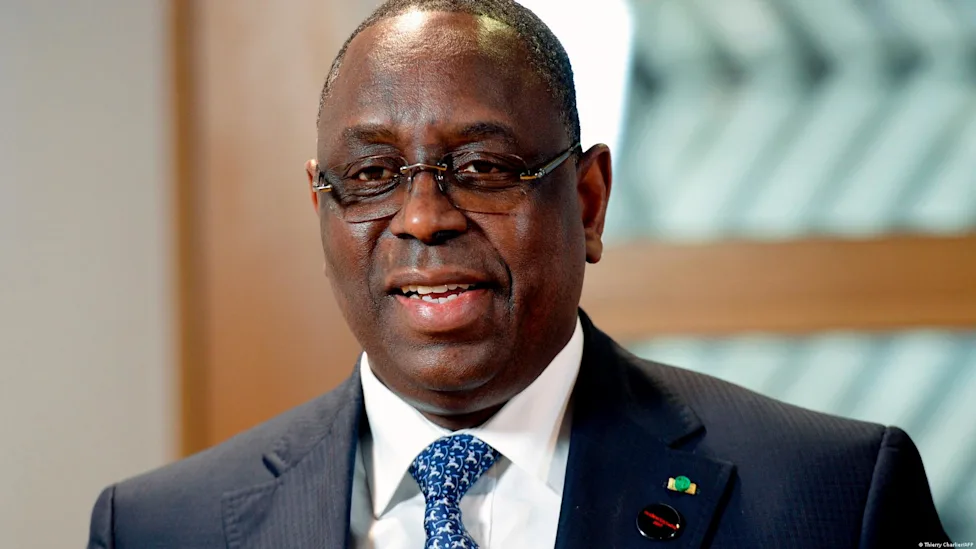
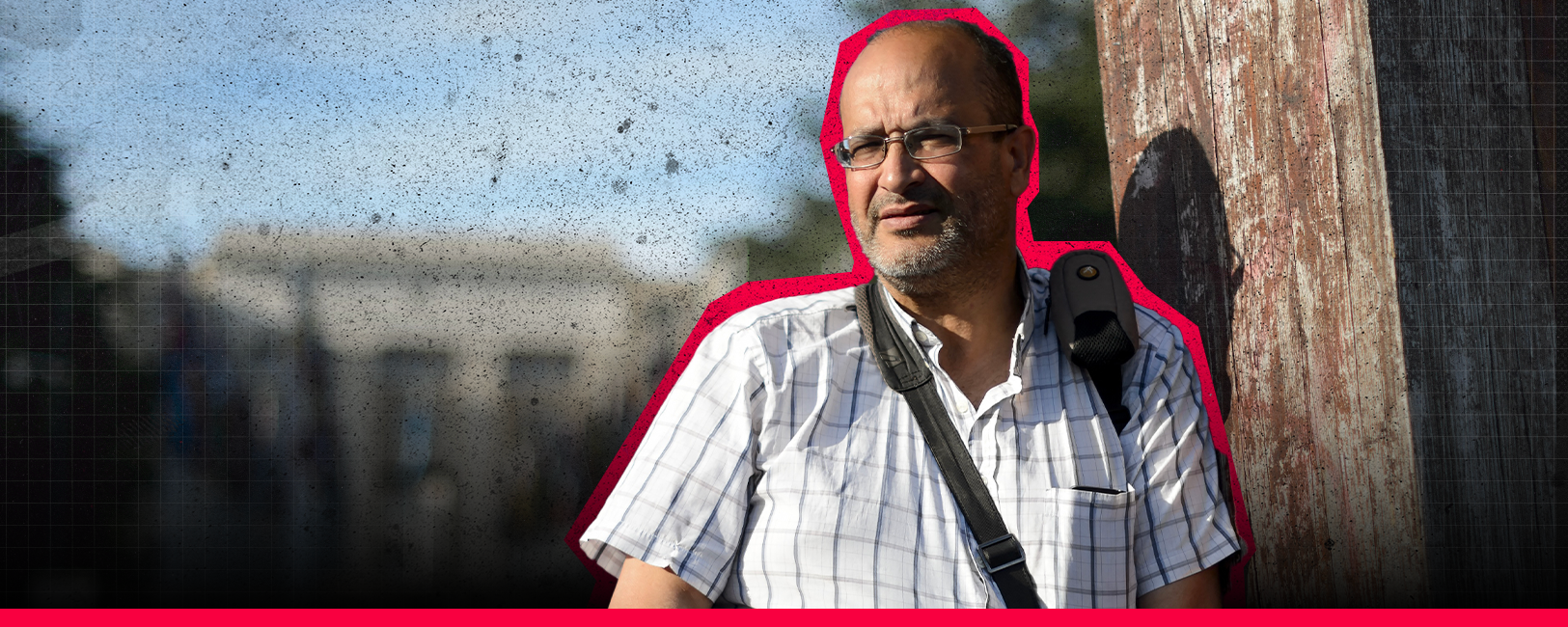
The timing of this visit raises critical questions about Senegal’s political trajectory. What implications does this meeting hold for national reconciliation efforts? How might it influence the country’s international image? Political analyst Assane Samb shares insights on these pressing issues.
Analyst weighs in on controversial political encounter
Assane Samb: A meeting that was inevitable despite the controversy
Certainly, this was a meeting that many anticipated, though some voices continue to voice strong objections. The political landscape in Senegal has undergone significant transformation since 2021, particularly following the mass protests that swept the nation.
During that turbulent period, security forces clashed with demonstrators in what many describe as a revolutionary moment for the country. The unrest stemmed from deep-seated frustrations with governance and demands for greater accountability.
International implications of Macky Sall’s UN ambitions
Macky Sall’s recent candidacy for the United Nations Secretary-General position has added another layer of complexity to this political equation. His campaign received unexpected support from African nations including Burundi, with China playing a pivotal diplomatic role in facilitating this process.
The political maneuvering required to advance his candidacy has raised eyebrows, particularly among those who hold Sall accountable for past actions during his presidency.
Justice delayed: The unhealed wounds of political repression
For victims’ families and civil society organizations, this meeting comes at a most inopportune time. Amnesty International and other human rights groups have consistently pointed to the state’s responsibility in ensuring public safety while protecting fundamental freedoms, particularly the right to peaceful assembly.
The dilemma facing President Faye is becoming increasingly apparent: balancing diplomatic imperatives with the legitimate expectations of his political base regarding justice and accountability.
Consequences for Senegal’s political future
The potential polarizing effects of this meeting cannot be overstated. While international observers may view this as a step toward national reconciliation, domestically it risks deepening political divisions.
The encounter could either facilitate healing or exacerbate existing tensions, depending on how both leaders navigate this delicate moment. One thing remains certain: Senegal’s political future hangs in the balance as these discussions unfold.