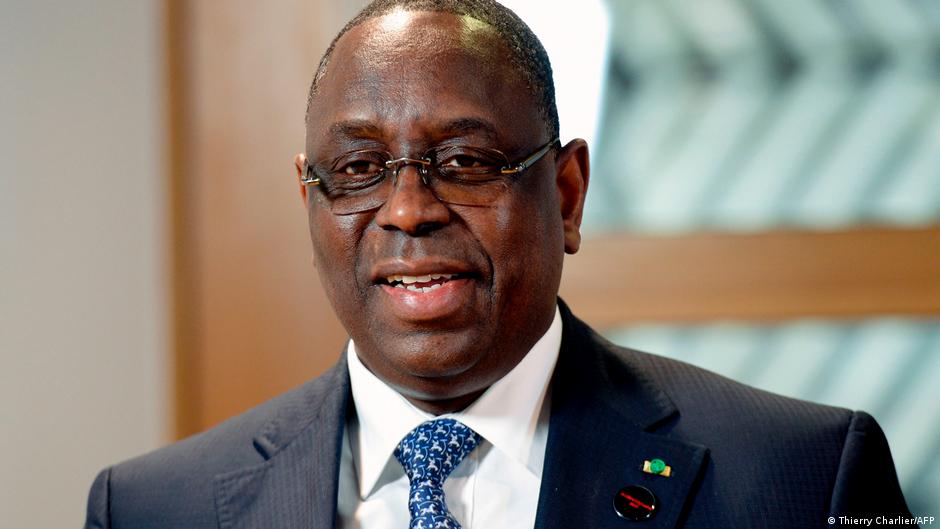
In Sénégal, the upcoming meeting between President Bassirou Diomaye Faye and his predecessor, Macky Sall, has ignited fierce backlash from the families of victims of political repression during Sall’s tenure. These families view the encounter as untimely, arguing that justice and reparations remain elusive for the crimes committed during that period.
What drives this controversy? How might this meeting influence the trajectory of Sénégal’s political landscape? To unpack these questions, we spoke with political analyst Assane Samb, who examines the significance of this encounter within the current political climate.
Analysts weigh in on the diplomatic and political implications
Assane Samb on the timing and stakes
Assane Samb: This meeting was inevitable, despite the vocal opposition from certain quarters. With Macky Sall now a candidate for the position of United Nations Secretary-General, it became essential for his candidacy to gain support from other African nations, including Burundi. China played a pivotal role in facilitating this rapprochement.
The two leaders had to smooth over past tensions to align their diplomatic interests.
Why the outrage?
The uproar stems from a turbulent period between 2021 and 2024, marked by violent clashes between protesters and security forces. Many saw this as the beginning of a revolutionary wave, and the wounds from that era remain fresh for the victims’ families. Human rights organizations, including Amnesty International, have criticized Macky Sall’s leadership during that time, accusing him of failing to protect public freedoms, particularly the right to peaceful assembly.
Diomaye Faye, who was once a staunch opponent of Sall’s policies, now faces a dilemma: balancing diplomatic imperatives with the demands of his political base for accountability.
Potential consequences for Sénégal’s political future
The meeting is expected to be well-received internationally, especially among African heads of state. However, domestically, it risks deepening the polarization of Sénégal’s political landscape. While some view it as a step toward reconciliation, others see it as a betrayal of the revolutionary spirit that brought Diomaye Faye to power.
The timing of this encounter, with Sall’s UN ambitions in the spotlight, adds another layer of complexity to an already charged political climate.