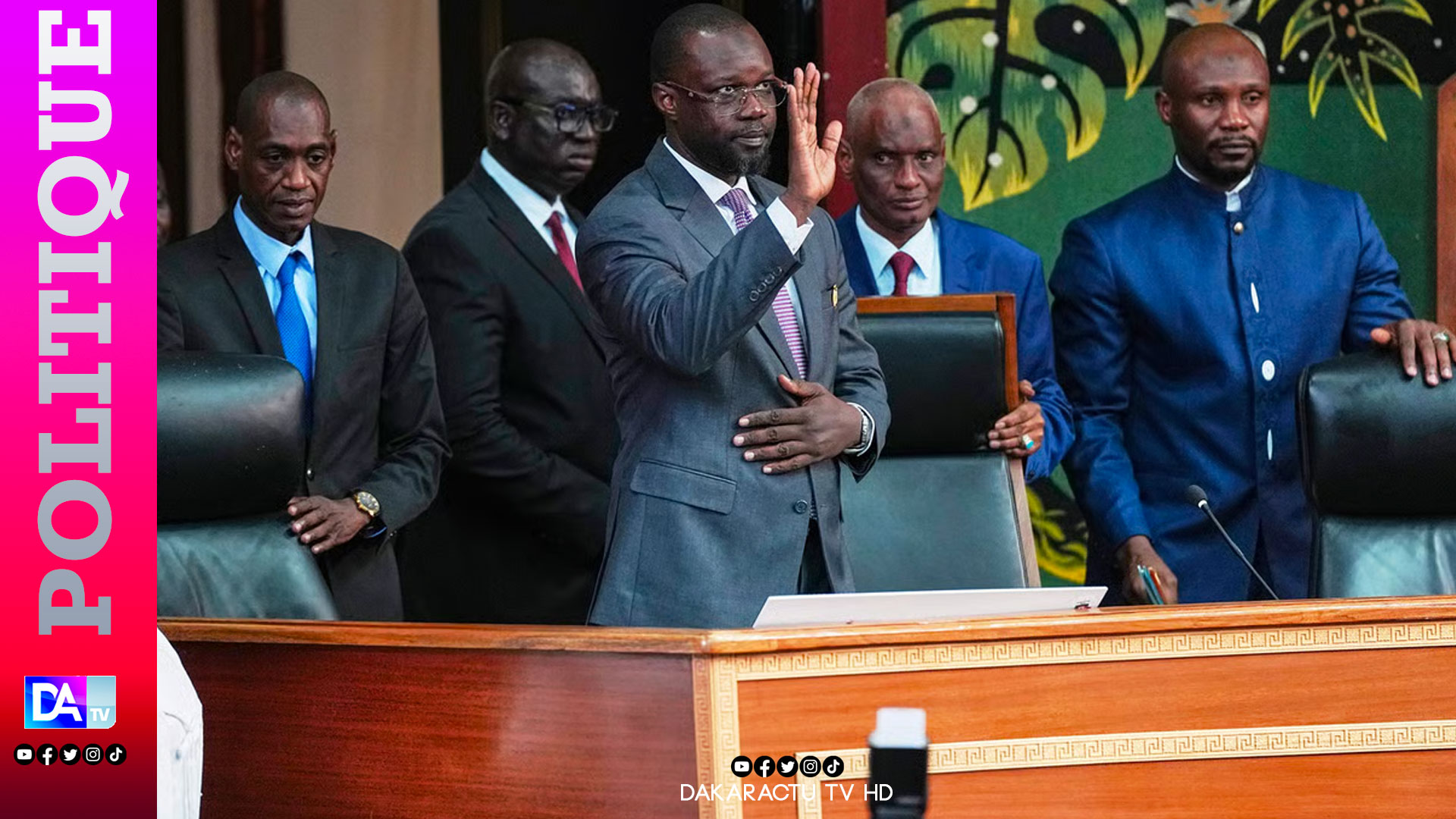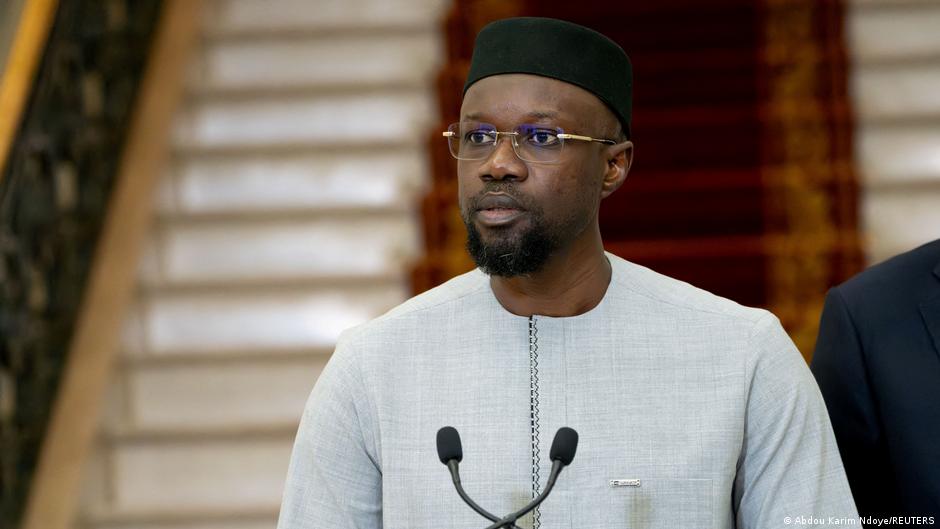
The Constitutional Council of Senegal has struck down the institutional reforms proposed by the ruling Pastef party, dealing a significant blow to Ousmane Sonko’s political ambitions. The decision, announced yesterday, invalidates the parliamentary majority’s attempt to reshape the country’s governance framework, citing constitutional violations.
The reform package, championed by Sonko’s supporters, aimed to rebalance power between state institutions. However, the Constitutional Council identified two critical flaws: the absence of a funding mechanism for the proposed Constitutional Court and procedural irregularities during parliamentary debates on government amendments.
political fallout and constitutional concerns
Adji Diarra Mergane Kanouté, former MP and leader of the USD/A party, argues that while the ruling invalidates the reform, it does not close the door entirely. She emphasizes that any future legislative changes must comply with constitutional fiscal requirements—specifically, Article 82, which mandates revenue sources for new public expenditures like elections or judicial reforms. The Council also ruled that parliament violated procedures by refusing to implement the government’s request for a vote bloqué (block vote) on certain amendments.
“Although the text has been rejected, the National Assembly retains the option to propose a revised version that strictly adheres to constitutional procedures,” Kanouté stated. “The Council’s decision reinforces the importance of legal compliance, even when a party holds a parliamentary majority.”
expanded parliamentary oversight under scrutiny
Another contentious proposal—enhancing parliamentary investigative powers—would have granted lawmakers greater access to natural resource contracts and expanded oversight in previously restricted areas. While the Constitutional Council did not explicitly address this provision, its ruling on procedural and fiscal irregularities casts doubt over the reform’s viability.
Political reactions were swift. Ousmane Sonko acknowledged the Council’s decision in a social media statement, framing it as a setback for his reform agenda. Meanwhile, presidential allies framed the outcome as a validation of Senegal’s institutional strength, urging continued dialogue on governance changes.
rising tensions at the heart of senegalese power
The Council’s ruling arrives amid deepening fractures between Sonko and President Bassirou Diomaye Faye. Once a close ally, their relationship has deteriorated since Sonko’s removal from the Prime Minister’s office in May. Sonko has publicly described the current dynamic as a period of cohabitation, signaling open disagreement over governance priorities.
Political analysts warn that this clash between institutional branches could shape Senegal’s political landscape for years to come. With the Constitutional Council’s decision reinforcing legal boundaries, the path forward for Sonko’s reform agenda appears increasingly narrow.
civil society weighs in on constitutional integrity
Dr. Binette Ndiaye, coordinator of the Forum Citoyen, hailed the Council’s ruling as a victory for democratic safeguards. “This decision reminds us that even with a parliamentary majority, governance must remain inclusive. Constitutional changes require broad consensus—not unilateral action.” She added that the lack of prior consultation with civil society and opposition figures undermined the reform’s legitimacy from the outset.