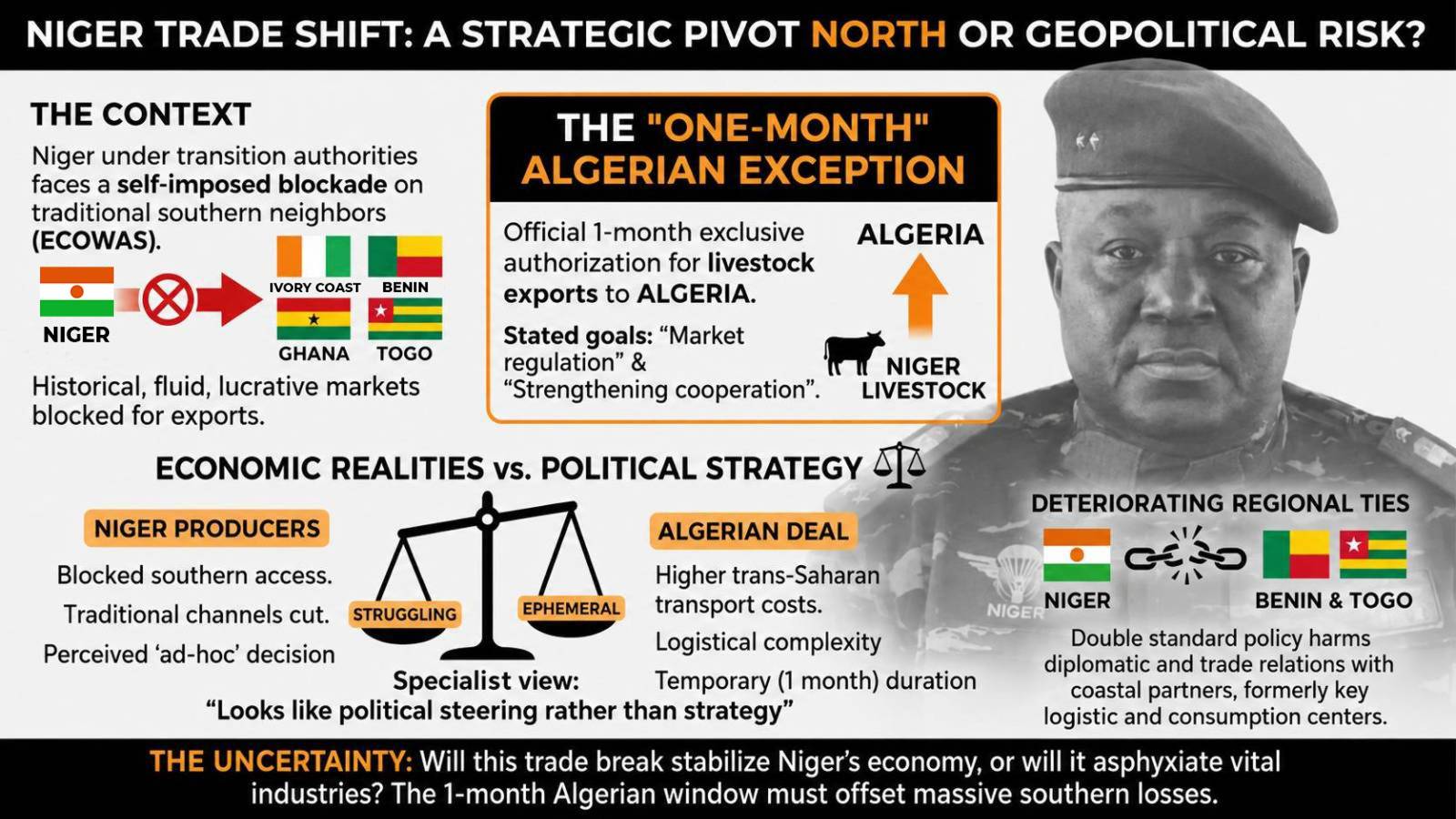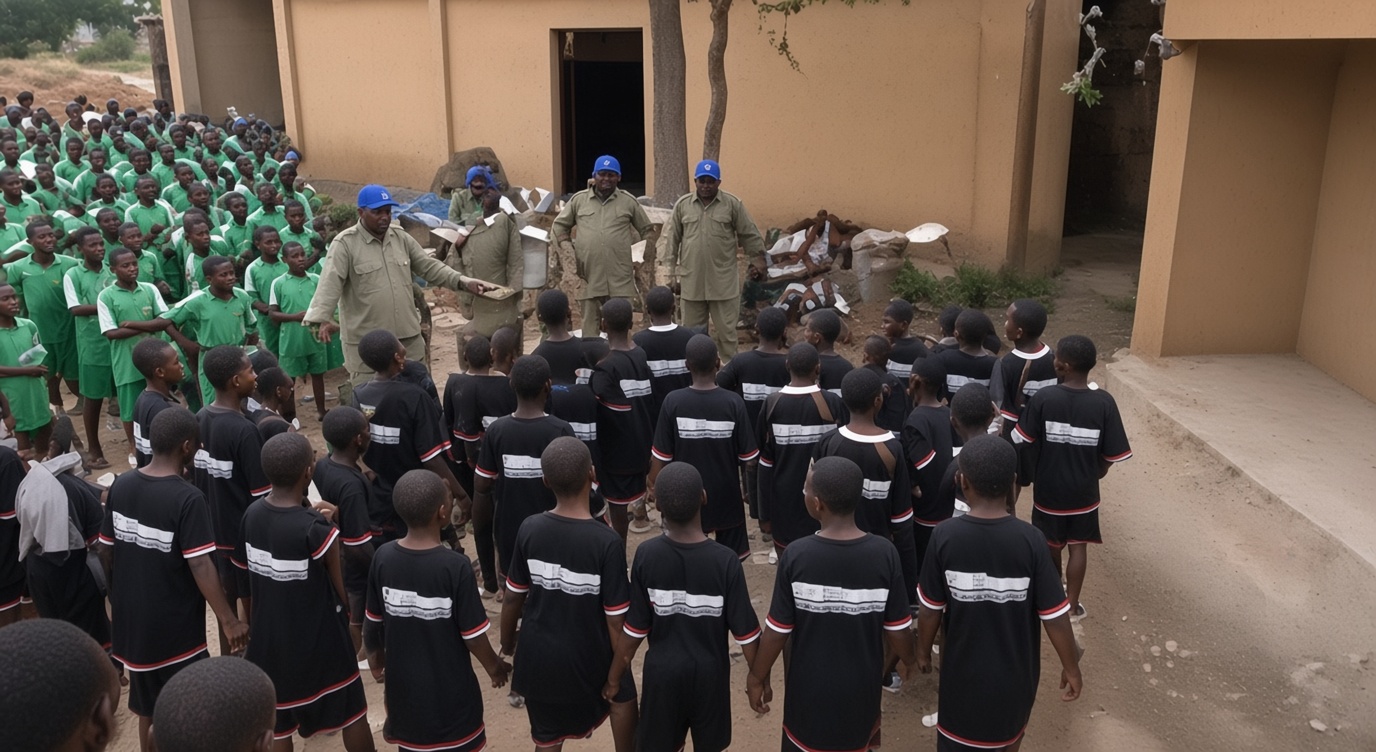
Niger’s transitional authorities, led by General Abdourahamane Tiani, have inaugurated a military-style training program for more than 300 young citizens. Officially presented as a civic duty initiative designed to foster national renewal and instil patriotic values, the initiative echoes similar approaches implemented in Burkina Faso under Captain Ibrahim Traoré. While the stated objectives centre on mobilising a dedicated youth cohort, concerns persist regarding the potential erosion of civic engagement into a militarised framework.
The Blurred Divide Between Civic Education and Military Discipline
During the formative years of development, young individuals should ideally benefit from diverse opportunities in education, technical training, sports, cultural enrichment, and civic instruction. However, introducing military-style discipline, rigid command structures, and constant mobilisation risks reshaping these foundational experiences. Beyond the immediate setting of these camps, the broader implications could reshape societal attitudes towards authority and conflict resolution for an entire generation.
Patriotism or Political Compliance?
A critical point of contention lies in the potential conflation of civic duty with unquestioning allegiance to the governing authorities. True civic engagement encompasses reasoned debate, the examination of policies, and the pursuit of public welfare, rather than passive submission. When youth programmes are framed within a perpetual narrative of sacrifice, defence, and combat readiness, the distinction between civic education and ideological conditioning becomes dangerously thin. Mobilised youth can undoubtedly drive progress, yet they should never be reduced to a permanent political support base for military governance.
The Paradox of Mobilisation Without Development
A fundamental question arises: why prioritise ideological engagement over addressing fundamental societal needs? Many young people in Niger face pressing challenges, including deficient educational infrastructure, limited access to accredited professional training, high unemployment rates, inadequate public services, and a lack of long-term stability. While fostering patriotism is commendable, it cannot substitute for economic security, educational attainment, or job creation.
Additionally, the framing of such programmes as initiatives of ‘mandatory civic spirit’ may serve as a strategic diversion. By presenting a vision of disciplined, self-sacrificing youth, the authorities risk obscuring deeper systemic issues, including structural unemployment, educational shortcomings, and the broader consequences of political instability.
Long-term Risks of a Militarised Youth Culture
The potential ramifications extend beyond immediate policy shifts. A generation conditioned to view perpetual mobilisation as normal may come to accept militarised society as an inevitable standard. What is currently introduced as an ad hoc initiative could, over time, evolve into a formalised system of political and paramilitary indoctrination, permanently altering societal values.
Lessons From Regional Comparisons
Observers draw parallels with programmes in Burkina Faso, cautioning against an emerging trend in West Africa where youth engagement is increasingly framed through the lens of patriotism and defence. In regions facing genuine security threats, solutions must not involve normalising the transformation of young citizens into a permanent reserve of combatants.
The young people of Niger merit more than being used as instruments of political messaging. They deserve quality education, access to meaningful employment, intellectual autonomy, and the freedom to participate in civic life without being coerced into endorsing any single ideological or military doctrine.
Reclaiming True Patriotic Values
The enthusiasm of youth should not be weaponised to mask governance shortcomings. A robust and resilient state builds its strength by empowering citizens through knowledge, liberty, and opportunity not by indoctrinating them from an early age to accept unquestioning obedience and warfare as legitimate pathways to nationhood.
Authentic patriotism is nurtured by fostering citizens who can innovate, question, and contribute meaningfully to their country’s progress. It is not cultivated by prematurely moulding minds into a framework of perpetual conflict readiness. Niger must ensure that efforts to enhance security do not inadvertently justify the persistent militarisation of youth, safeguarding the developmental potential of its next generation.