Dakar has reversed its stance by endorsing former President Macky Sall’s bid for the United Nations secretary-general position, a significant shift announced just three days after a meeting between Sall and current President Bassirou Diomaye Faye.
The decision was formalized in an official statement issued on a Monday, marking a departure from Senegal’s previous refusal to support Sall’s candidacy. Unlike typical practice, Sall’s nomination was not submitted by his home country but by Burundi, which currently holds the rotating presidency of the African Union.
Up until late March of this year, Senegal was among nearly two dozen African Union member states that had declined to back Sall’s bid to succeed António Guterres. The refusal came despite Sall’s long-standing political influence, having led Senegal from 2012 to 2024.
From opposition to endorsement: a strategic pivot
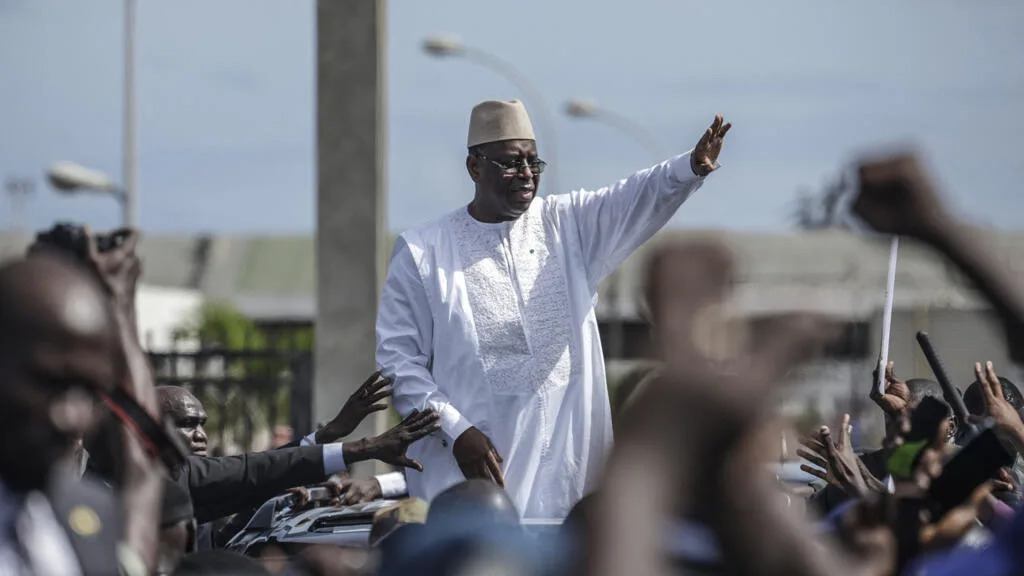
The about-face follows a brief but high-profile visit by Sall to Dakar, where he was greeted by thousands of supporters. His return to the political stage, however, has drawn sharp criticism from opponents who demand accountability for alleged human rights violations during his presidency. Authorities under the current administration have accused Sall of orchestrating a violent crackdown on opposition protests between 2021 and 2024, resulting in numerous fatalities.
Despite these controversies, President Bassirou Diomaye Faye’s government has now pledged full diplomatic support for Sall’s candidacy. A statement from the Ministry of Foreign Affairs emphasized that Senegal’s backing is framed as a contribution to African leadership and a more effective multilateral system at the UN.
The ministry instructed government officials and Senegal’s diplomatic network to actively promote Sall’s nomination across UN member states. The move positions Sall’s campaign not just as a personal endeavor but as an official initiative of the Senegalese state.
Controversies and political fallout
Sall’s return to the public eye has reignited debates over his legacy. Critics, including human rights groups, continue to demand transparency regarding the deaths during his tenure, as well as investigations into allegations of debt concealment that have contributed to Senegal’s economic challenges.
His brief visit in late July, while met with public enthusiasm, also highlighted the deep divisions within Senegalese society. Supporters credit him with economic stability and regional influence, while detractors view his political maneuvers as an attempt to evade accountability for past actions. The government’s sudden endorsement of his UN bid adds another layer to the ongoing political narrative in West Africa’s most stable democracy.