Cameroun and IFAD partnership drives agricultural productivity surge
The partnership between Cameroun and the International Fund for Agricultural Development (IFAD) has yielded remarkable results in rural farming, as confirmed during a joint workshop in Yaoundé.
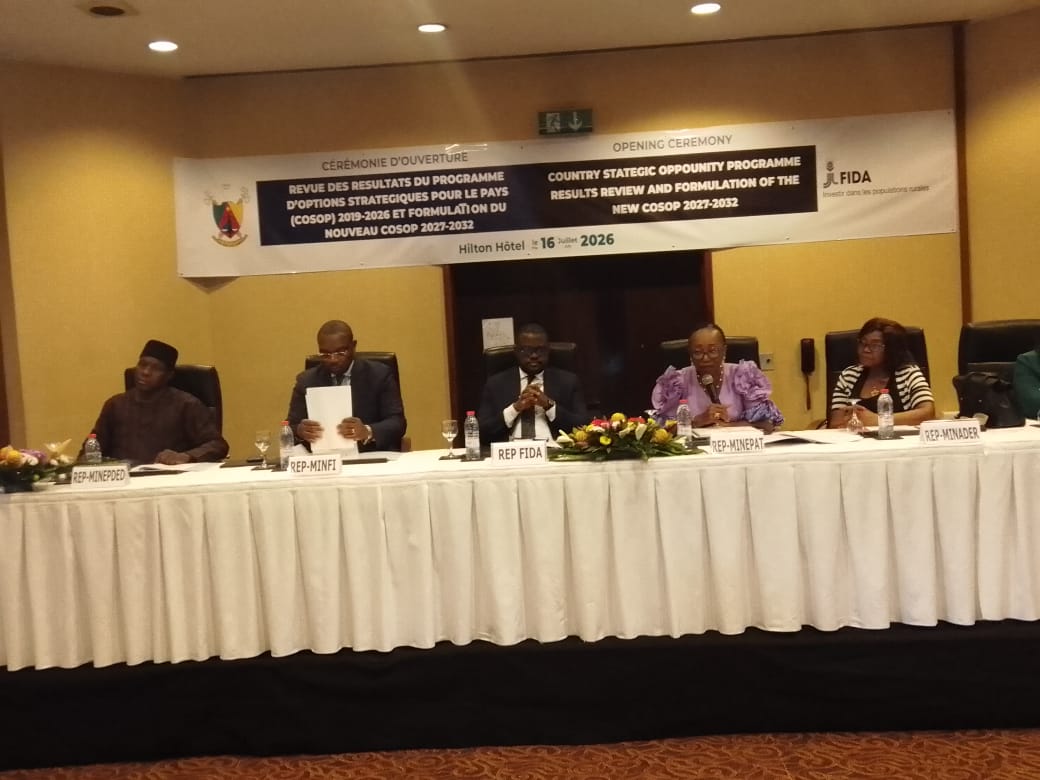
On July 16, 2026, government officials and IFAD representatives convened in Yaoundé to review the progress of the Country Strategic Options Program (COSOP) 2019-2026 and lay the groundwork for the next phase, COSOP 2027-2032. This initiative aims to uplift rural communities by prioritizing investments in smallholder farms, with special emphasis on empowering women and youth.
Key achievements in rural farming productivity
The COSOP 2019-2026 program set ambitious targets to enhance food security and economic resilience in rural Cameroun. Here are the standout results:
- Rice and onion cooperatives flourish: 139 cooperatives, supporting 10,505 farmers (49% youth and 39% women), have been consolidated—exceeding the 2024 goal of 10,000 members with 50% female and youth leadership.
- Hydro-agricultural land expansion falls short: Only 649 hectares of the planned 1,600 hectares for rice and onion production were developed, achieving 43% of the target.
- PEA-Jeunes program exceeds expectations: 99% of targeted youth adopted agropastoral entrepreneurship techniques, far surpassing the 50% forecast.
- PADFA II delivers strong yields:
- Lowland rice production rose to 3.7 tons per hectare (74% of the 5-ton goal).
- Upland rice production reached 2.5 tons per hectare (63% of the 4-ton goal).
- Onion production hit 18 tons per hectare (86% of the 21-ton goal).
- National climate adaptation progress: 100% compliance with ecosystem-based and climate-smart agriculture guidelines, including 17 reform initiatives and draft legislation for the agropastoral sector.
Strategic alignment with national development goals
The COSOP 2019-2026 program was designed to align with Cameroun’s National Development Strategy 2020-2030 (SND30) and the United Nations Sustainable Development Cooperation Framework. The review highlighted the need to maintain this alignment while addressing gaps, such as hydro-agricultural land development.
Total paddy rice production under PADFA II reached 52,996 tons (70.38% of the 74,750-ton target), while onion bulb production hit 45,000 tons (52.47% of the 85,562-ton target). These figures underscore the program’s impact despite some unmet milestones.
Looking ahead: COSOP 2027-2032
The upcoming COSOP phase will build on these achievements, focusing on scaling successful models and addressing challenges like land development. The partnership between Cameroun and IFAD remains a cornerstone for rural economic transformation, ensuring sustainable growth for farming communities.
Originally approved in 2019 and extended to December 2026, the COSOP program reflects the government’s commitment to inclusive agricultural development.