By the numbers
Between 1 January and 28 November 2025:
- Fatalities linked to political unrest exceeded 10,000 across Niger, Mali, and Burkina Faso.
- Extremists abducted 30 international citizens, with 22 cases in Mali and 8 in Niger.
- Fatalities in Benin rose by nearly 70% compared to the same timeframe in 2024.
Throughout 2025, extremist organizations ramped up their activities in the central Sahel, posing a direct threat to the durability of the region’s military-led administrations. Both Jama’at Nusrat al-Islam wal-Muslimin (JNIM) and the Islamic State Sahel Province (ISSP) reinforced their dominance in Burkina Faso, Mali, and Niger, while simultaneously pushing into the border zones of Nigeria and Benin.
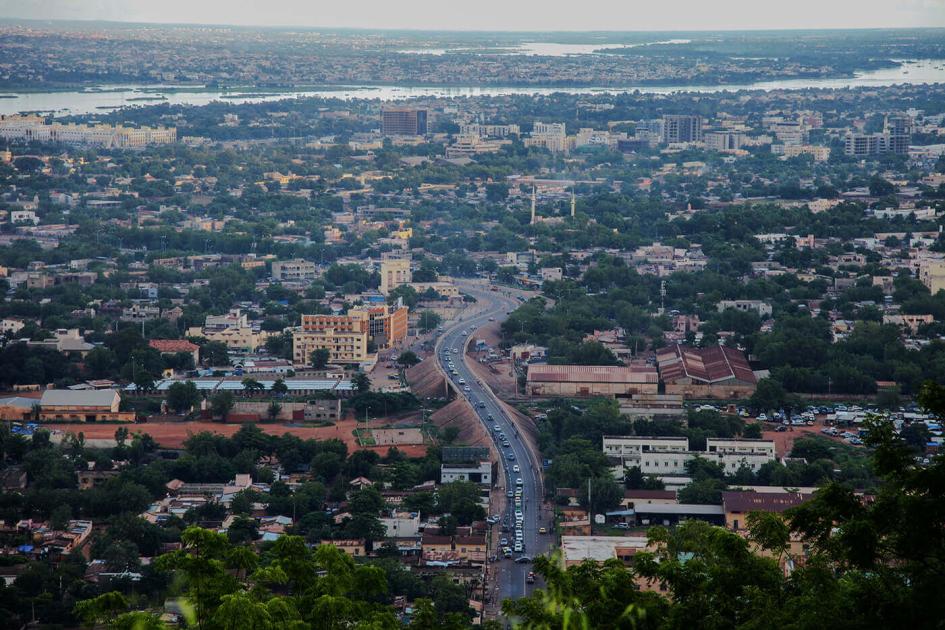
A primary characteristic of this period was the use of economic warfare, a calculated tactic designed to cripple state functions and pressure local governments. In Mali, JNIM implemented a comprehensive transport and fuel blockade affecting Nioro du Sahel and Kayes. This move was part of a larger offensive across Mopti, Segou, Koulikoro, Sikasso, and Kayes. The resulting disruption of trade routes connected to Bamako led to nationwide price surges and severe fuel shortages. This strategy aimed to paralyze the national economy and delegitimize the ruling military junta. Consequently, the intensity of violence in Segou, Sikasso, and Kayes reached record highs since data tracking began in 1997.
In Burkina Faso, JNIM maintained its pressure on the Volunteers for the Defense of the Homeland (VDP) and the national military. The group demonstrated a significant leap in tactical ability by briefly capturing the provincial centers of Diapaga and Djibo in May. Later, in September, a brutal ambush on a military convoy near Koubel-Alpha in Soum province resulted in the deaths of approximately 90 personnel, marking one of the military’s most significant losses. These actions highlight JNIM’s intent to dismantle state control by targeting vital transit corridors and economic stability.
While Niger has seen lower overall violence than its neighbors, it is increasingly targeted. Militant activity has migrated from traditional conflict zones into the northern Agadez and southern Dosso regions. ISSP has mirrored JNIM’s economic tactics by attacking the Benin-Niger oil pipeline near the Nigerian border. Additionally, the abduction of a United States citizen in Niamey on 21 October signals that even once-secure urban hubs are now within the reach of extremist groups.
Both ISSP and JNIM launched aggressive kidnapping campaigns, leading to record abduction rates in Niger and Mali. JNIM specifically targeted foreign laborers at mining and industrial sites to further their economic sabotage. Conversely, ISSP focused on both foreign workers and Western nationals, often outsourcing these abductions to local criminal syndicates. While most of these incidents occurred in Niger, additional cases were noted near the borders of Algeria and Burkina Faso.

Spreading conflict into coastal West Africa will challenge regional cooperation in 2026
A major shift expected for 2026 is the solidification of a new conflict front in the borderlands of Nigeria, Niger, and Benin. This region has become a strategic priority for militant groups from both the Sahel and Nigeria.
In 2025, ISSP and JNIM deepened their roots in this tri-border zone, turning it into a volatile hotspot. Northern Benin faced its most violent year yet as JNIM conducted cross-border raids from Burkina Faso, including an attack in Park W that killed over 50 soldiers. By the middle of the year, the group pushed south into the Borgou department, nearing the Nigerian border and expanding beyond its initial footprint in Alibori and Atacora. Notably, JNIM claimed its inaugural strike within Nigeria in late October.
Simultaneously, ISSP strengthened its position in southwestern Niger near the city of Gaya and continued its raids in the Kebbi and Sokoto states of Nigeria. As these groups establish themselves in western and northwestern Nigeria, the previously separate Sahelian and Nigerian conflicts are merging into a single, vast theater of war. This area is likely to see intense competition between JNIM, ISSP, Ansaru, and various bandit networks as their operational zones overlap.
As this southern expansion continues, the military juntas in the central Sahel are under intense strain. In Mali and Burkina Faso, persistent sieges and blockades have revealed major state weaknesses. The fuel embargo in Mali has caused widespread civilian suffering, threatening the legitimacy of the ruling government and potentially causing internal military friction. Burkina Faso faces similar attrition; the national army and VDP are struggling to hold territory, with major towns like Fada N’Gourma potentially at risk of future JNIM offensives.
Throughout the Sahel, state sovereignty is fading in rural areas where militants now collect taxes and dictate social rules. Even major cities are no longer safe, as evidenced by ISSP’s operations in Niamey and Tillaberi. Local defense groups are also failing; in Mali, many Dozo militias have been neutralized or forced to negotiate with JNIM, while in Burkina Faso, the VDP has suffered unsustainable casualties.
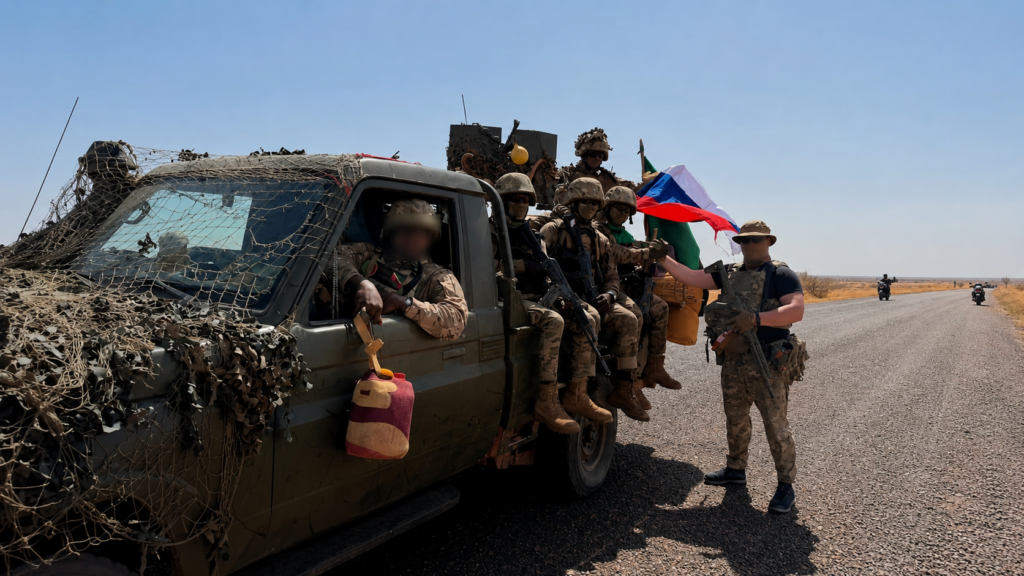
Russia’s involvement via the Africa Corps has yielded mixed results. While they have struggled to stop militant territorial gains, they have recently focused on protecting fuel shipments and supply lines in southern Mali. This logistical support will be vital for the juntas in 2026 as they attempt to maintain control over urban centers and main roads. However, the risk of a regional collapse remains high; if one regime falls to internal unrest, it could trigger a domino effect across the Sahel and its southern neighbors.