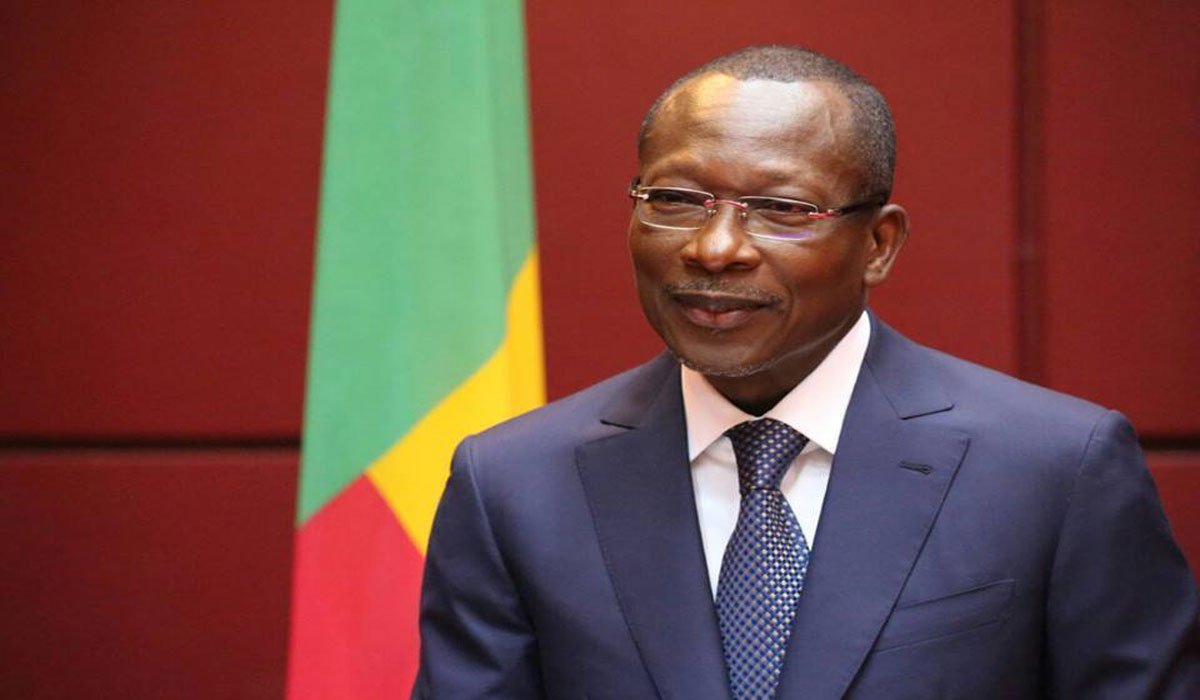
On August 6, 2026, Benin’s political landscape reached a historic milestone. At the Palais des Gouverneurs in Porto-Novo, members of the newly established upper chamber of Parliament convened to elect Patrice Talon as the first-ever President of the Senate in Benin’s bicameral era.
Having led the nation for a decade as head of state (2016–2026), the architect of the Nouveau Départ initiative proved that in West Africa, post-presidency doesn’t necessarily mean political retirement or self-imposed exile.
Patrice Talon assumes a pivotal institutional role
The overwhelming support for his Senate election underscores the completion of constitutional reforms that reshaped Benin’s political framework.
- A stabilizing force: With 25 members—including former heads of state as ex-officio senators—the Senate was designed to serve as a moderating body, ensuring national cohesion and steady governance.
- A guiding hand in democracy: By leading the Senate’s permanent bureau, Patrice Talon retains significant political leverage, acting as a stabilizing influence over both the executive and the National Assembly.
Beyond the Marina Palace: a lasting political influence
In a region where leaders often cling to power or vanish abruptly from public life, Patrice Talon’s path stands out:
- Respect for constitutional limits: By stepping down after two full terms, he reinforced Benin’s tradition of peaceful transitions of power.
- Legislative reinvention: Rather than seeking international roles or private ventures, he chose to institutionalize his leadership by presiding over the upper house.
- A statesman’s role: In the Senate, surrounded by other prominent figures, he positions himself as a key arbiter of reforms and national stability.
What Patrice Talon’s Senate presidency means for Benin
His election on August 6, 2026, signals a shift in African governance: the idea that former presidents can continue contributing at the highest levels without holding executive power. A model of institutional maturity worth watching across the region.