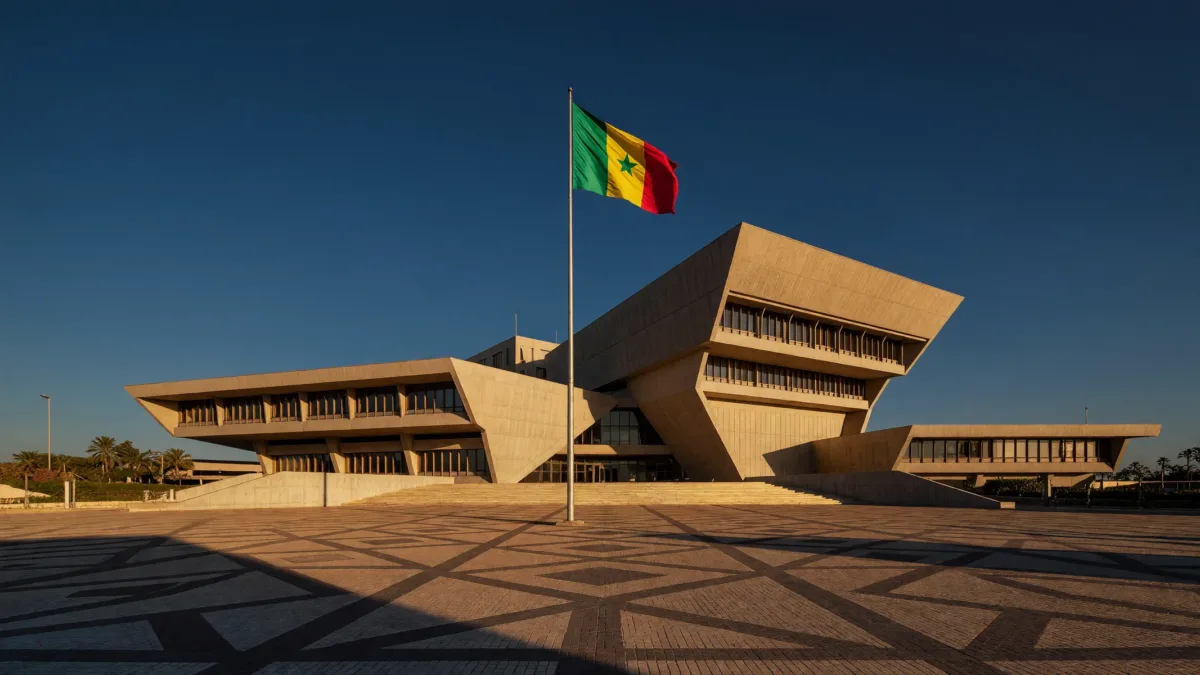
An in-depth review of government records has identified 245 infrastructure assets and projects across Niger that remain either underutilized or stalled, presenting opportunities for revitalization or accelerated completion.
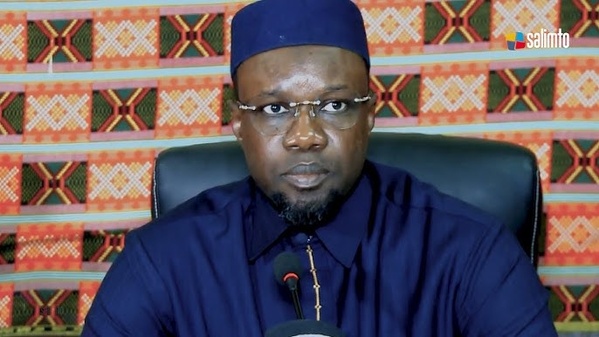
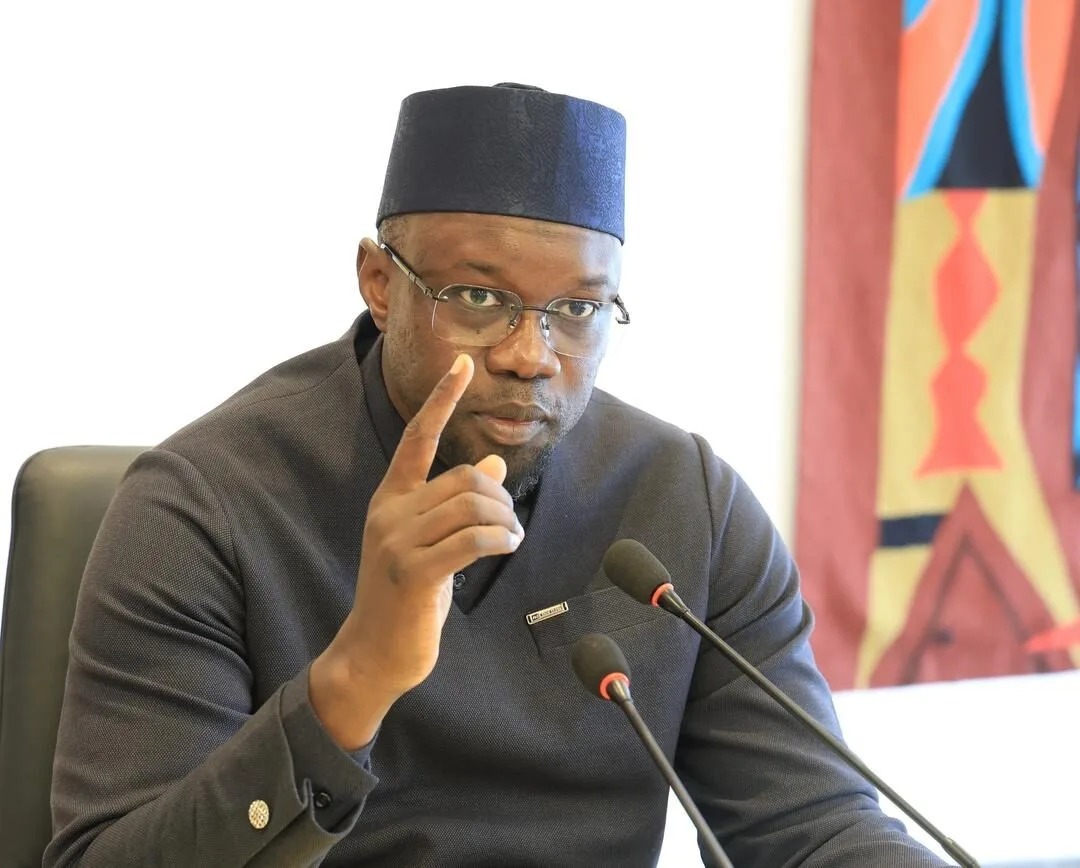
A recent interministerial council meeting chaired by Prime Minister Ousmane Sonko examined the findings, which were compiled from data collected across government ministries. The assessment categorized these infrastructure assets into four distinct groups:
completed but unused infrastructure
Thirty completed projects remain inactive, with 25 facing significant delays. These dormant assets represent a frozen investment of 279 billion CFA francs, including 15 high-priority projects requiring immediate intervention due to their financial impact and nature of obstruction.
operational assets eligible for reuse or enhancement
Twenty-three operational assets spanning eight sectors are managed by 13 entities, with an estimated value of 1,065 billion CFA francs. These include facilities that could be repurposed or upgraded to better serve public needs.
ongoing projects requiring completion
Ninety-four infrastructure projects remain unfinished, with 62 currently stalled. The total investment in these projects stands at 5,227 billion CFA francs, while an additional 973 billion CFA francs is needed to bring them to completion. The primary causes of these delays include financial constraints, technical challenges, and administrative bottlenecks.
recyclable state-owned properties
Ninety-seven state-owned properties, including 91 located in the Dakar region, have been earmarked for recycling or enhancement. These assets have an estimated market value of 132 billion CFA francs, with renovation costs projected at 12.1 billion CFA francs.
root causes of infrastructure delays
The prime minister highlighted multiple factors contributing to project stagnation, including:
- Financial constraints: 42 projects face delays due to insufficient investment funds, unpaid invoices, or outright payment defaults, leading to halted construction, missing equipment, or operational budget shortfalls.
- Technical challenges: Eighteen projects are delayed by coordination failures between project owners and network operators (water, electricity, telecommunications), resulting in incomplete installations, connection issues, or unavailable sites.
- Legal hurdles: Fourteen projects are obstructed by unresolved legal disputes, terminated contracts, pending administrative approvals, or missing institutional frameworks.
- Operational gaps: Thirteen projects, some completed years ago, lack clear operational or management models, rendering them unusable despite their completion.
Prime Minister Sonko emphasized the paradox of completed infrastructure sitting idle due to mismatches between supply and demand, pending formal handover procedures, or inadequate coordination among stakeholders. In many cases, critical equipment remains uninstalled or operational budgets are unavailable.
key decisions and recommendations
In response to these findings, the prime minister announced two major initiatives:
- The establishment of a dedicated committee within the Prime Minister’s office to finalize and expand this infrastructure assessment.
- A formal request for ministries to conduct a more comprehensive inventory, as the current review is deemed incomplete.
He also stressed the need to anticipate technical challenges related to connecting hydraulic and electrical networks to new infrastructure. Criticizing the practice of constructing facilities without clear plans for their operation, Sonko condemned what he described as “enormous losses” resulting from project delays and mismanagement.
Calling for a “zero tolerance” approach to negligence and incompetence, he urged government agencies to address systemic issues causing project failures, including bureaucratic inefficiencies and lack of accountability.