Niger’s military leadership points finger at France following Niamey airport attack
The ruling junta in Niger has leveled accusations against France after an assault on Niamey airport resulted in the deaths of twenty attackers, including one identified as a “Frenchman.” This incident adds a new dimension to already tense Niger politics.key developments in this Niger report
- The head of Niger’s military junta praised Russia for its assistance in repelling an attack on Niamey airport, directly accusing French President Emmanuel Macron, Beninese President Patrice Talon, and Ivorian President Alassane Ouattara of sponsoring the assailants. Twenty attackers, including a “Frenchman,” were reportedly killed.
- Niamey airport holds significant strategic importance, hosting military bases, the headquarters of the joint Niger-Burkina-Mali force, and a substantial uranium stockpile of at least 1,000 tonnes. This uranium is currently at the center of a dispute with the French nuclear fuel giant Orano, which alleges expropriation by the Nigerien state.
- While no jihadist group had claimed responsibility by Thursday evening, many observers suggest a jihadist attack as the most plausible scenario, given Niger’s ongoing struggle with violence from groups like JNIM and EIS.
Relations with the military junta in Niger, which seized power in 2023, show no signs of improvement. The junta’s leader recently commended Russia for its military support in fending off an attack on Niamey’s airport. In a significant escalation of Niger news English, he explicitly accused French President Emmanuel Macron, Beninese President Patrice Talon, and Ivorian President Alassane Ouattara of being the “sponsors” behind the attackers. The junta reported four soldiers injured, with twenty assailants killed, including a “Frenchman,” and others apprehended during the incident, impacting Niger security.
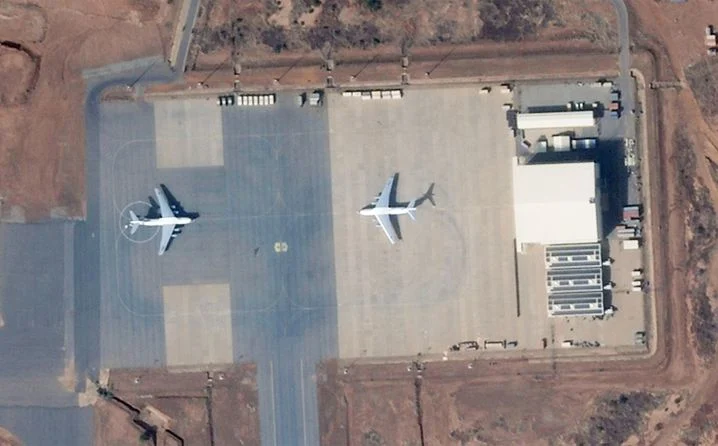
The events unfolded during the night from Wednesday to Thursday. General Salifou Modi, Niger’s Defense Minister, confirmed on public television Télé Sahel that a “group of remote-controlled mercenaries attacked air base 101 in Niamey” for approximately thirty minutes before a “combined air and ground response” was launched. This latest Niamey news today highlights the ongoing volatility in the region.
General Abdourahamane Tiani, the head of the junta, stated, “We congratulate all defense and security forces […] as well as our Russian partners who professionally defended their security sector.” He issued a stark warning to the alleged sponsors: “We remind the sponsors of these mercenaries, notably Emmanuel Macron, Patrice Talon, Alassane Ouattara: we have listened enough to their barking; they, in turn, should prepare to listen to us.” This rhetoric underscores the complexities of West Africa Niger relations.
advanced military assets and uranium: a volatile mix
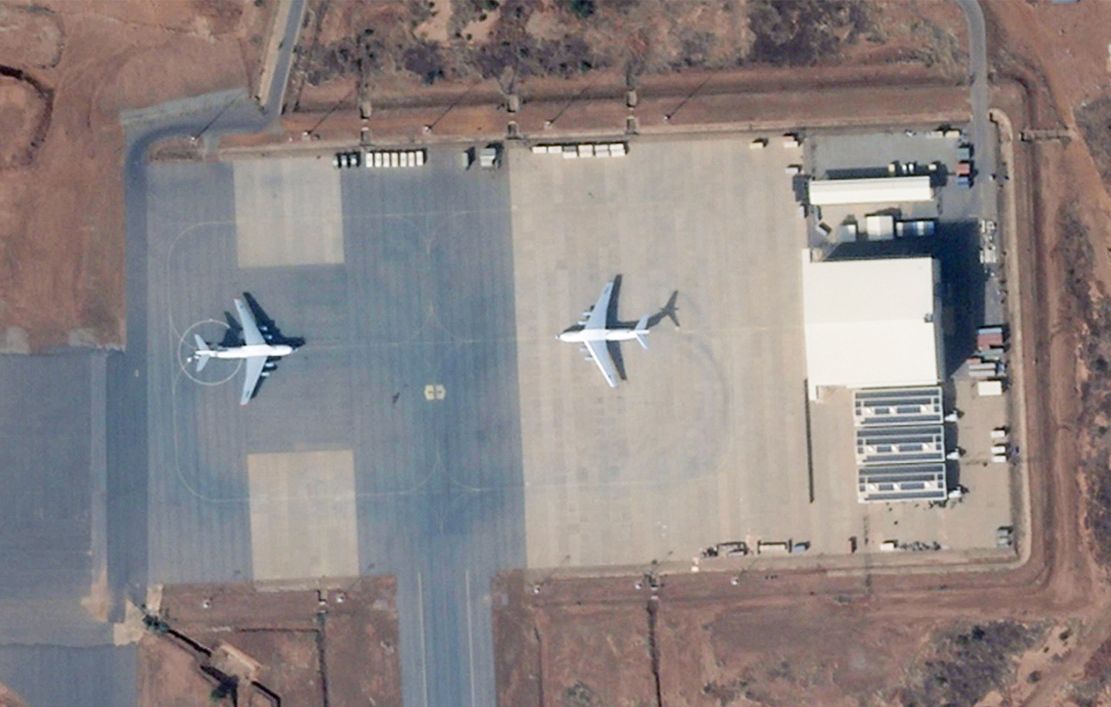
The identity of those behind this attack remains unconfirmed. Niamey airport is a critical strategic location, housing not only a Nigerien air force base and a recently constructed drone facility but also the command center for the unified force established by Niger, Burkina Faso, and Mali to combat jihadist groups plaguing the Sahel region. Furthermore, it stores a substantial shipment of uranium, a key Nigerien export, awaiting export. This uranium is a central element in a heated dispute with the French nuclear fuel cycle giant Orano, which accuses the Nigerien state of expropriating its assets. Orano reaffirmed its commitment last week to pursue legal action against the Nigerien state and “anyone who attempts to seize” this stock of at least 1,000 tonnes of uranium.
The Nigerien minister further detailed the aftermath, stating, “The vigorous air-ground response led to the neutralization of 20 mercenaries and the arrest of 11 others, most of whom are seriously wounded, as well as the recovery of significant war materials.” Despite the junta’s narrative, several observers lean towards a jihadist attack as the most credible explanation, given Niger’s continuous fight against violence from the Group for the Support of Islam and Muslims (JNIM, linked to Al Qaida) and the Islamic State in the Sahel (EIS) in its western territories near the capital, and in the southeast. However, by Thursday evening, no jihadist organization had claimed responsibility for the assault.