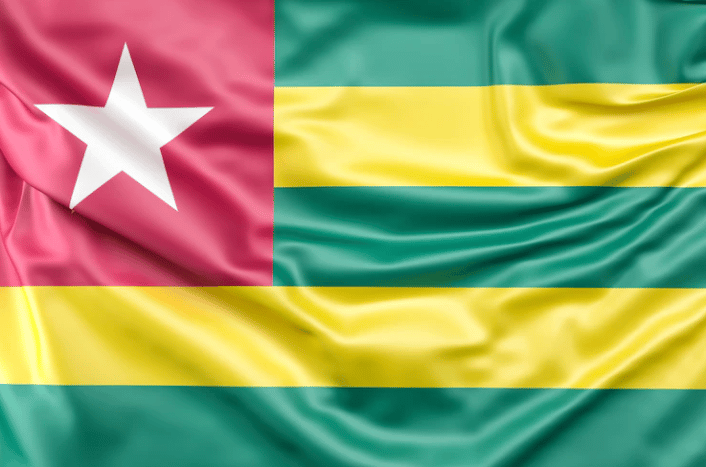
Lomé’s leadership has swiftly responded to the ECOWAS Court of Justice’s January 29 ruling, which characterized Togo’s March 2024 constitutional overhaul as an “unconstitutional change of government.” The Togolese government issued a strong rebuttal this Sunday, asserting that the regional judicial body had unequivocally overstepped its designated authority.
“No jurisdiction over constitutional review”
In its initial official statement, the Togolese government clearly delineated the true scope of the Abuja-based regional institution’s powers:
“The Court lacks any competence to review the constitutionality of domestic law, nor is it entitled to pass judgment on a national constituent power,” declared the official communiqué emphatically.
The executive branch reiterated that while the regional Court is empowered to oversee human rights adherence and breaches of community law, it is not authorized to substitute itself for the constitutional court of a sovereign nation.
Furthermore, authorities clarified that the sole regional instrument designed to govern constitutional amendments – the Protocol on Democracy and Good Governance – can only be invoked by member states themselves, not by private individuals or entities.
Flaws in applicant standing and absence of rights violations
The government highlighted several significant procedural weaknesses that underpinned the Court’s controversial decision:
Inadmissibility of certain petitioners: The Court itself dismissed the Association of Torture Victims in Togo (ASVITTO) and the ADDI political party due to insufficient evidence of their legal registration.
No infringement of participation rights: The regional judicial body found no evidence of Togo failing to uphold its citizens’ right to participate in public affairs.
Lack of substantiating evidence: The executive criticized the Court’s characterizations, alleging they were based on presumptions of intent rather than concrete evidence to support any claims of an “anti-democratic design.”
No impact on the current constitutional framework
From Lomé’s perspective, the Court’s own ultimate conclusion reinforces the validity of the new fundamental text: the judicial body explicitly declined to mandate the repeal of the 2024 constitutional law, a request explicitly made by the petitioners, and did not impose any financial reparations.
“No obligation to dismantle the existing constitutional order arises from this decision,” the authorities affirmed, emphasizing that the reform establishing the Fifth Republic was adopted following extensive public debate and broad consultations with the nation’s vital forces.