new momentum in Mali-Algeria tensions easing
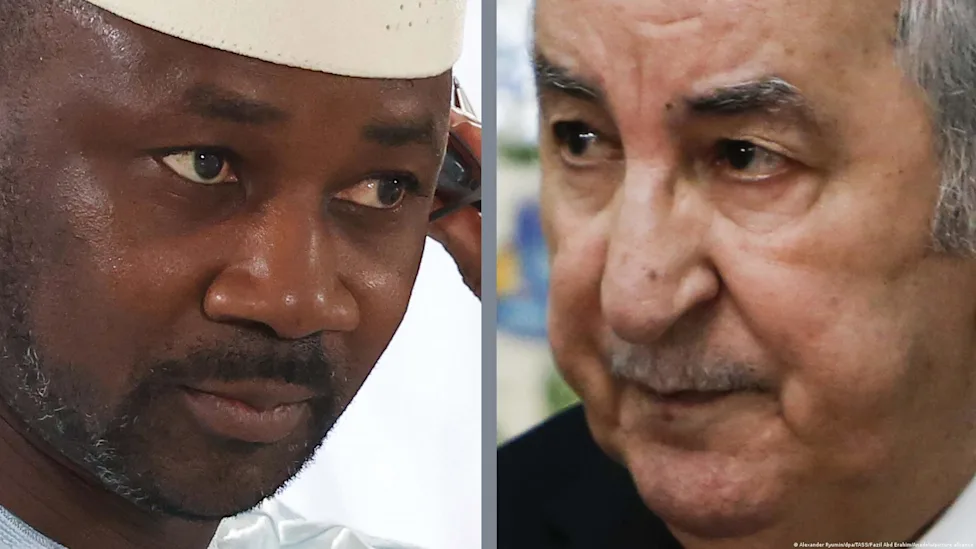
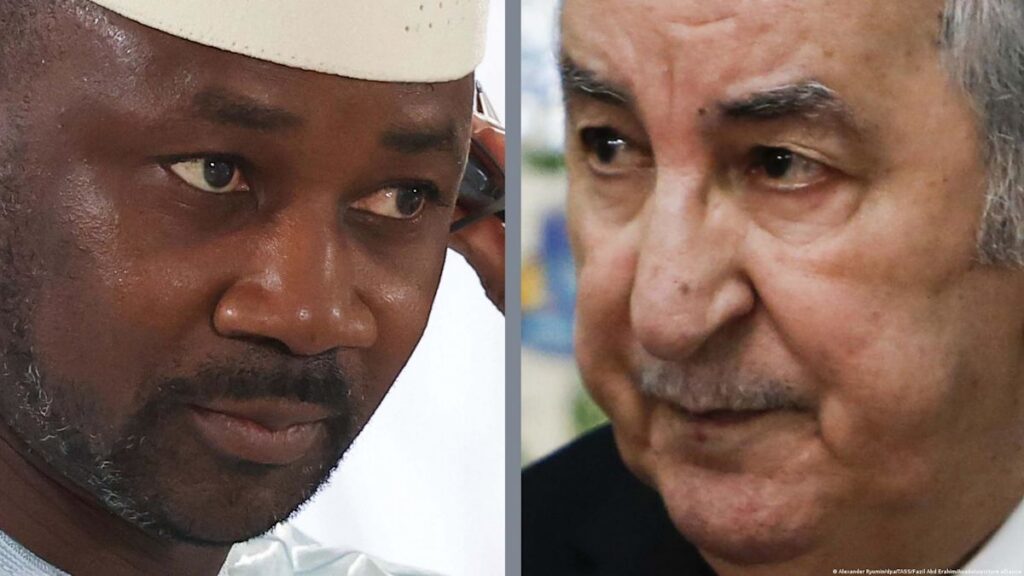
Diplomatic relations between Bamako and Algiers reached their lowest ebb in April 2025 following an incident in which Algerian forces intercepted and destroyed a Malian drone they claimed had violated Algerian airspace. The Malian government swiftly denied the allegations, yet retaliated by sealing its airspace to Algerian flights—a move that affected a shared border stretching more than 1,300 kilometers.
By early July, both nations signaled a deliberate shift toward reconciliation. They mutually agreed to restore ambassadorial representation and reopen their respective airspaces, marking a cautious but significant thaw in ties.
The thaw gained further momentum when Algerian Prime Minister Sifi Ghrieb formally extended an invitation to his Malian counterpart for an official visit to Algiers, following a constructive telephone exchange between the two leaders.
Regional stability and security imperatives
Mohamed Amara, sociologist and regional analyst, underscored the broader implications of this rapprochement: “This détente is pivotal not only for Mali and Algeria but for the entire Sahel region. It sends a strong signal that dialogue remains the most viable path to restoring stability amid escalating security threats from terrorist and insurgent groups.”
Amara emphasized Algeria’s strategic rationale: “With insecurity spreading across the Sahel—from the Gulf of Guinea to the Sahara—the Algerian leadership recognized the urgent need to re-engage Mali diplomatically. This move is as much about averting a deeper regional crisis as it is about asserting Algeria’s role as a stabilizing force in North and West Africa.”
Benefits and trade-offs for Bamako
For Mali, the benefits are equally compelling. Regaining control over its border with Algeria is critical to preventing the frontier from becoming a conduit for illicit arms, fighters, and other destabilizing flows. Equally vital is the restoration of diplomatic channels with Algiers, which could facilitate negotiations with non-state armed groups—including those linked to the Front de libération de l’Azawad—and help steer the country toward political normalization.
Geopolitical realignments in the Sahel
While the geopolitical landscape of the Sahel has remained largely unchanged since 2020, this rapprochement signals a subtle but meaningful shift. Algeria’s reinsertion into the diplomatic arena, alongside its collaboration with Russia—a key partner for both Bamako and Algiers—could redefine regional power dynamics. Both nations now appear aligned in leveraging their partnerships to counter extremism and restore order, potentially reshaping the balance of influence across the Sahel.
You may also like
Moussa Kaka’s disappearance in Niger: the far-reaching consequences for citizens, the press and West Africa’s economy
Lyon’s goalless stalemate with Chelsea: the real-world fallout for fans, clubs and the women’s game
Eastern DRC peace mediation: what the latest Tshisekedi letter to Gnassingbé means for civilians and local businesses
Mali: JNIM ambush on Russian Africa Corps convoy near Niono — what it means for civilians and local trade
Mali’s poverty crisis: how hunger and hardship are reshaping daily life for millions