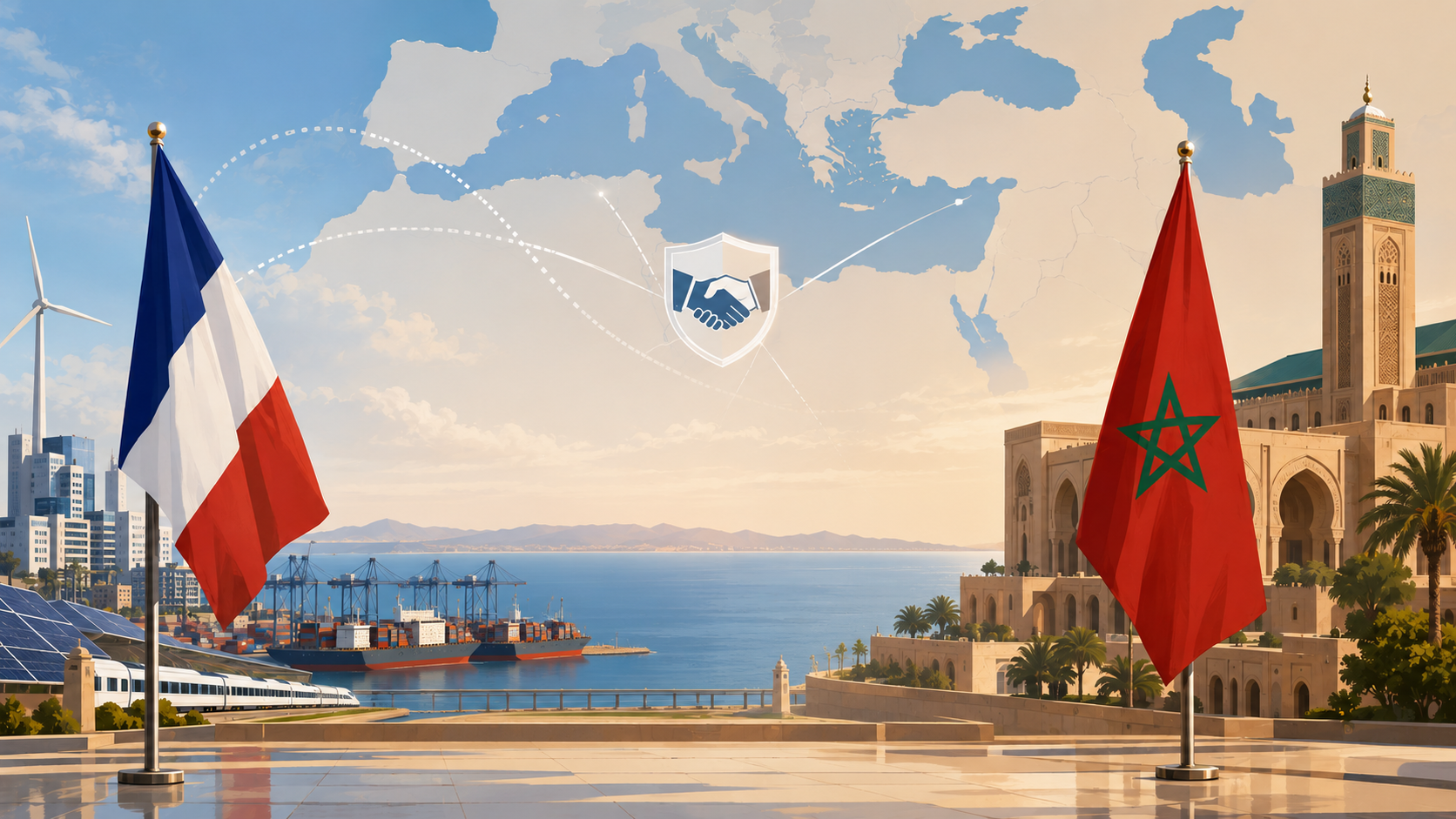
During this two-day official visit, French Prime Minister Sébastien Lecornu’s trip to Rabat—accompanied by a dozen ministers—transcends routine diplomacy. It marks a decisive political statement, further solidifying the exceptional bond between the two nations after a temporary slowdown before 2024. As the first high-level intergovernmental meeting since 2019, it signals a clear shift: France and Morocco are entering a new chapter defined by an intensified partnership, soon to be formalized into a comprehensive bilateral treaty.
This visit aligns with the analysis presented in my latest book, Morocco: The Strength of Stability, published by Éditions du Cherche Midi. Amid a Mediterranean and Middle Eastern landscape riddled with crises, the Kingdom stands out as one of the few stable anchors France can—and must—rely on long-term.
a bastion of stability amid regional upheaval
The Sahel, Libya, the persistent tensions in the Middle East, and the uncertainties surrounding Iran’s nuclear negotiations—since the Arab Spring’s unfulfilled promises, crisis hotspots have proliferated. The Mediterranean has reemerged as a critical frontier where terrorism, migration, energy rivalries, and great-power competition intersect.
In this volatile environment, Morocco shines as an exception. The Kingdom has maintained remarkable political stability while modernizing its economy, infrastructure, industry, and military capabilities. It has earned credibility as a trusted partner for the United States, the European Union, and Gulf monarchies, while expanding its influence across Africa. Its diplomacy, rooted in dialogue and pragmatism, enables it to engage with actors who no longer communicate. This knack for building bridges rather than deepening divides is now one of its strongest geopolitical assets.
an indispensable ally for France
Since France backed Morocco’s sovereignty over the Sahara and President Emmanuel Macron’s state visit to Rabat in October 2024, bilateral relations have taken on a new dimension. The two countries have officially launched an enhanced exceptional partnership to structure cooperation across security, defense, energy, industry, innovation, infrastructure, and culture.
The presence of Prime Minister Sébastien Lecornu, leading such a large ministerial delegation, demonstrates that this ambition is no longer just diplomatic—it is now operational. Defense, intelligence, domestic security, investments, energy, transportation, artificial intelligence, and training: rarely have so many sectors been united under a shared political will.
This government-wide mobilization reflects a deliberate commitment to forge a long-term relationship between two states whose strategic interests are increasingly aligned.
strategic trust at the core of the partnership
Today, Morocco is far more than a neighbor across the Mediterranean. It is a key player in counterterrorism, a linchpin for Sahel stability, an industrial hub oriented toward Europe, a logistics gateway connecting both sides of the Mediterranean, and a premier entry point into Sub-Saharan Africa.
In an era where supply chains are fragile, migration crises intensify, and energy concerns reshape alliances, having such a reliable partner offers France a significant strategic advantage. The cooperation between French and Moroccan intelligence and security services is widely regarded as among the most effective in combating terrorism and organized crime. This trust was not built overnight; it is the result of years of shared effort and mutual interests.
a mutually beneficial partnership
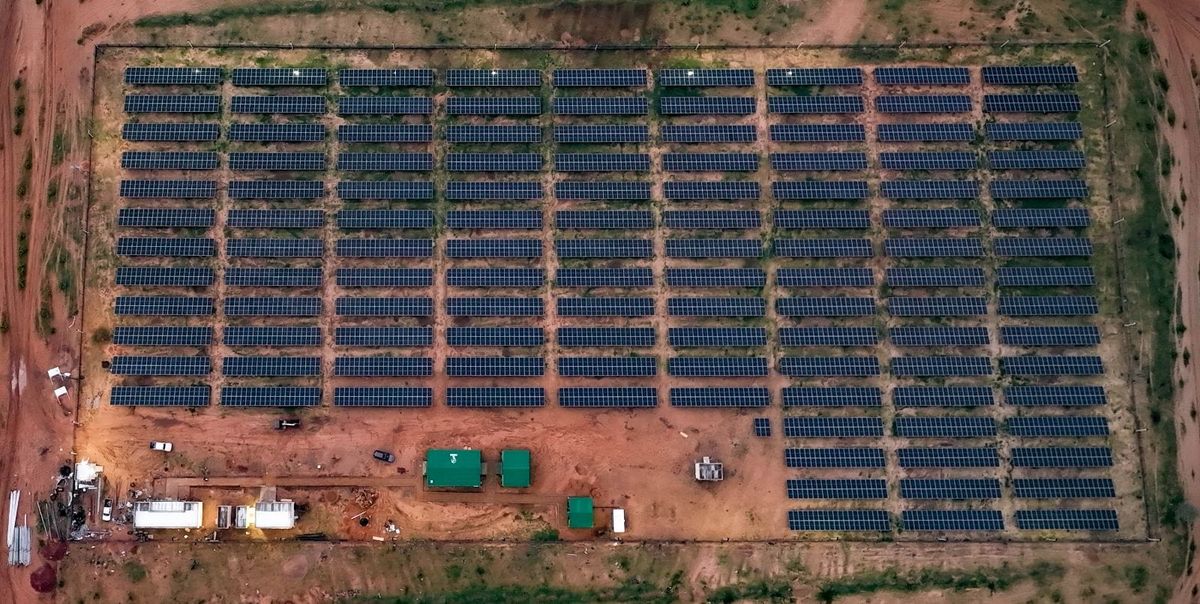
The Franco-Moroccan relationship is no longer confined to shared history or exceptional human ties. It now rests on a geopolitical reality. As Europe seeks to secure its supply chains, strengthen its presence in Africa, and stabilize its Mediterranean neighborhood, Morocco emerges as a natural partner. Its industrial growth, port strategy centered on Tanger Med, renewable energy ambitions, and push into Africa position it as a cornerstone of new Euro-African value chains.
Automotive and aerospace industries, green hydrogen, rail infrastructure, artificial intelligence, security, military cooperation, and cross-border investments—few partnerships span as many critical sectors simultaneously. While many international alliances weaken, the one between Paris and Rabat proves that a relationship built on political trust, mutual respect, and shared goals yields tangible outcomes.
The recent events—culminating in this historic visit by the French Prime Minister with a high-level delegation—only reinforce what is now undeniable: in a tense Mediterranean and a shifting Middle East, Morocco has become one of France’s most solid, reliable, and strategic partners.
Ultimately, this exceptional relationship is no longer just a legacy of history. It has become a forward-looking choice, and France stands to gain by making Morocco its primary strategic partner south of the Mediterranean amid today’s global upheavals.