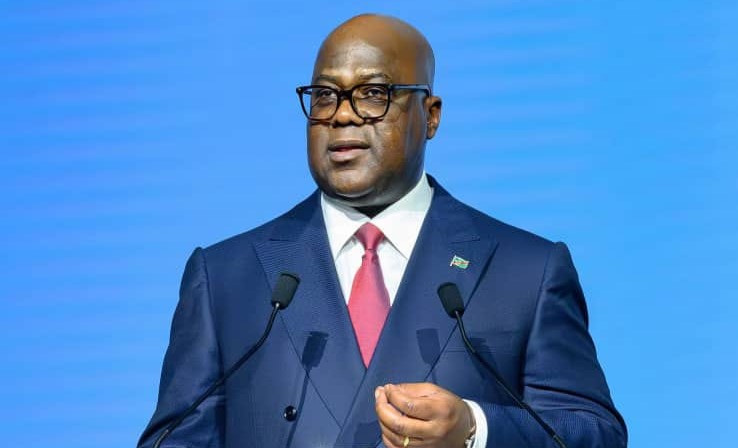
During a high-level gathering in Chad’s capital, the Democratic Republic of Congo’s president highlighted his nation’s vast water resources. Yet he emphasized that these resources must deliver tangible benefits to citizens through improved infrastructure and service delivery.
Ambitious goals for water, sanitation and hygiene across DR Congo
The leadership in Kinshasa has set clear milestones for the next decade and beyond. By 2035, authorities aim to ensure that 60 % of the population has reliable access to safe drinking water. Complementing this target, officials have pledged to expand access to sanitation and hygiene services to 50 % of communities nationwide. These measures are designed to curb water-borne illnesses and enhance overall living conditions.
Education and healthcare facilities are also a priority. Within the same timeframe, the government intends to secure adequate water, sanitation and hygiene services in 80 % of schools and health centers. The goal is to create healthier environments for students and patients while strengthening foundational social services.
Ensuring reliable access to water, sanitation and hygiene in 80 % of schools and health facilities is not just a target—it is a necessity for communities that remain most vulnerable to public health risks.
Mobilizing resources for transformative water infrastructure
Achieving these objectives will require coordinated action from multiple sectors. The Congolese government is calling for a mix of public funding, private investment and international partnerships to bridge critical infrastructure gaps. By leveraging diverse financial sources, officials aim to fast-track the development of essential water systems across the country.
Five pillars to reshape Africa’s water sector
The president outlined a strategic framework to address the continent’s water challenges. Key recommendations include:
- Policy integration: Aligning national strategies to create cohesive, continent-wide approaches to water management.
- Strong governance: Building capable institutions that ensure transparency, accountability and efficient management of water resources.
- Project readiness: Developing technically sound and financially viable projects to attract investment and accelerate implementation.
- Domestic production: Establishing local industries to manufacture essential water equipment, reducing import dependency and boosting job creation.
- Smart financing: Structuring bankable projects that secure the capital needed for large-scale water infrastructure development.
The head of state stressed the need for Africa to develop its own water industry, producing pipes, pumps, meters, treatment systems, irrigation tools and digital solutions locally. Such a move would not only cut costs but also drive industrial growth and create skilled employment opportunities across the region.
With a clear roadmap in place, the Democratic Republic of Congo is positioning itself as a leader in Africa’s water sector transformation—one that prioritizes access, governance and sustainable industry development for generations to come.