The Kingdom of Morocco formalized its commitment on Wednesday in Rabat by signing an agreement to participate in the upcoming International Stabilization Force set to operate in the Gaza Strip. The signing ceremony was attended by Morocco’s Minister of Foreign Affairs, Nasser Bourita, high-ranking defense officials, and Nikolaï Mladenov, representing the Gaza Peace Council, alongside a delegation that included the force’s commander.
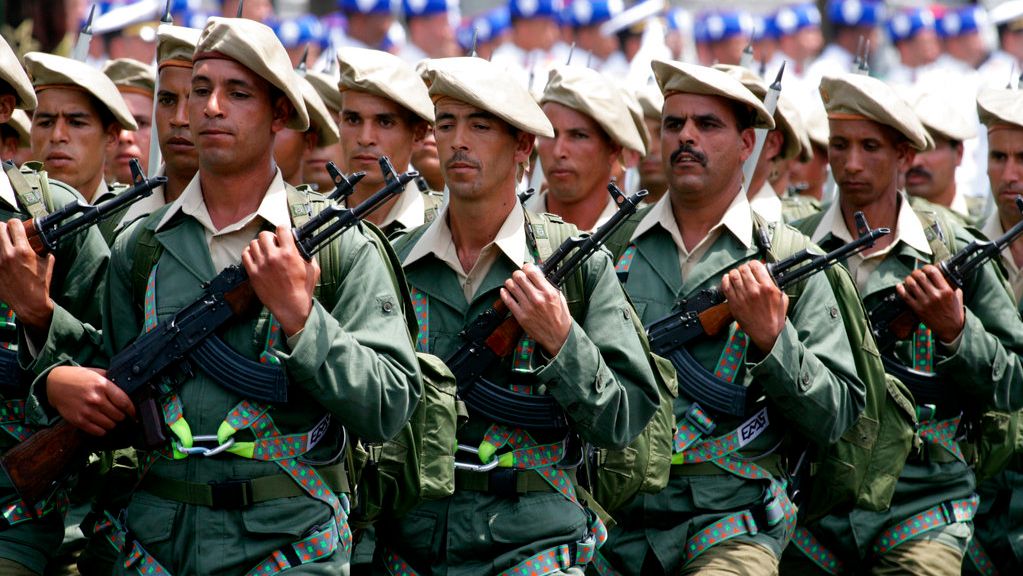
In a statement from the Moroccan Defense Administration, this pledge underscores a shared determination to foster tangible humanitarian and security measures aimed at restoring peace and stability in the region. The North African nation plans to deploy senior officers, gendarmerie personnel, and police units, in addition to establishing a field military hospital within Gaza.
However, this agreement primarily serves as a formal confirmation of an earlier pledge. Morocco had already announced in February its intention to contribute personnel to the International Force, becoming the first Arab nation to publicly commit to such a deployment. Since then, Moroccan officers have been actively engaged at the force’s headquarters in southern Israel, assisting in preparatory operations.
While Albania, Kazakhstan, and Kosovo have also agreed to contribute to the initiative, Morocco is poised to be the first nation to operationalize its military presence in Gaza. Under the framework established by the Gaza Peace Council, Moroccan troops will play a key role in securing the boundaries of a proposed pilot humanitarian zone near Rafah, in southern Gaza. This perimeter is designed to house temporary housing and aid infrastructure, safeguarded by the international force.
The actual deployment remains pending several critical steps. Israel must finalize bilateral agreements with each contributing nation to define the legal status of foreign military personnel in Gaza. Additionally, no timeline has been set for the establishment of the Rafah humanitarian zone, with construction potentially commencing no earlier than early 2027.
In the interim, small delegations from the participating nations continue preparations from a base in southern Israel. The future force is intended to support Gaza’s security transition, though its implementation hinges on broader discussions regarding Hamas disarmament, the gradual withdrawal of Israeli forces, and the organization of civilian administration in the territory.