The political landscape of Senegal is once again in turmoil following the unexpected announcement of Macky Sall’s return to the country. Two years after his electoral defeat, the former president is set to land at Dakar’s Yoff military airport this Friday, marking a significant moment in the nation’s recent history.
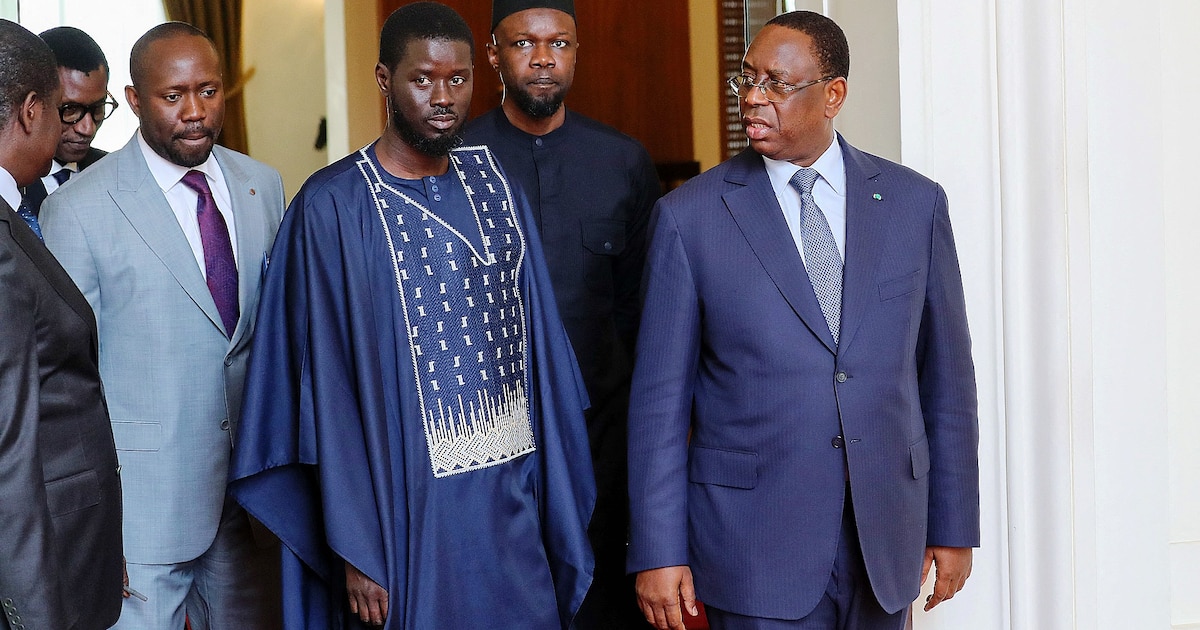
This visit, shrouded in controversy, includes a scheduled meeting between Macky Sall and his successor, Bassirou Diomaye Faye. The announcement has left many Senegalese citizens divided, particularly given the strained relationship between the two leaders, which stems from their opposing political trajectories.
Unresolved grievances fuel public discontent
The timing of Macky Sall’s return is particularly sensitive. Just months before the 2024 elections, Bassirou Diomaye Faye and his mentor Ousmane Sonko were imprisoned, alongside hundreds of party members, in what many described as a politically motivated crackdown. The repression of dissent during that period resulted in over 60 deaths during protests and clashes.
Aly Coly, a political activist who was detained with seven family members—including his infant son—recalls the harsh conditions: “They even locked up my wife and our three-month-old baby. To see him now welcomed by the very president who ordered these injustices is unbearable.”
Despite widespread calls for accountability, no investigations have been conducted, and no officials have been held responsible. This perceived impunity has deepened public frustration, with many viewing Macky Sall’s return as a step backward. “It’s the return of the old corrupt system. The people aren’t blind—they see what’s happening,” Aly Coly asserts.
International ambitions overshadow domestic concerns
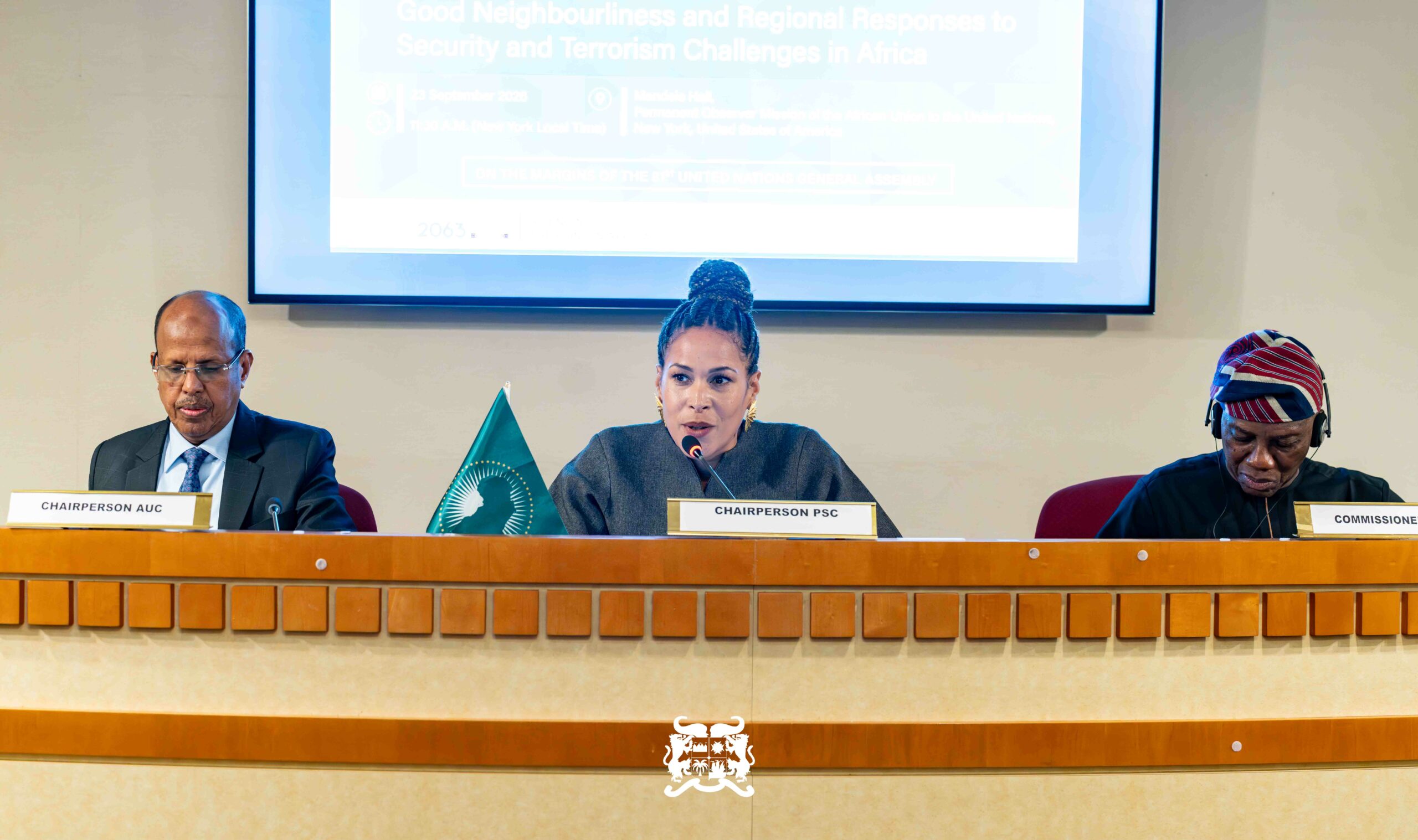
Macky Sall’s visit is not merely a political gesture. In a statement, he confirmed that his brief stay in Senegal is directly linked to his candidacy for United Nations Secretary-General. During a speech at the UN General Assembly in April, he positioned himself as a champion of multilateralism and impartiality. However, his bid has so far failed to secure support from the African Union or his own government, though a breakthrough may be possible if he gains approval from President Bassirou Diomaye Faye.
Critics argue that his candidacy contradicts the values of the UN. “How can someone responsible for 60 deaths as president lead an institution dedicated to human rights?” Aly Coly questions. Yet others see potential benefits for Senegal. Maurice Soundieck Dione, a political science professor at the University Gaston Berger, notes: “This could enhance Senegal’s global image, making the country more attractive to foreign investors and capital.”
A strategic gamble for both leaders
For Bassirou Diomaye Faye, aligning with Macky Sall could serve as a strategic move. Recent months have seen growing tensions between the president and his former mentor, Ousmane Sonko, whose influence in the National Assembly poses a challenge to Faye’s authority. “The meeting with Macky Sall may surprise many, but it follows the natural course of recent political events,” Soundieck Dione observes.
Faye’s presidency was built on promises of change, yet critics accuse him of reverting to the same political establishment he once opposed. Controversial appointments and perceived betrayals of former allies, including Sonko, have fueled accusations of hypocrisy. “Many see Faye as turning his back on Sonko, which culturally is deeply unsettling in Senegal,” the professor adds.
The outcome of Friday’s meeting remains uncertain. Will it further isolate Bassirou Diomaye Faye, or could it mark the beginning of a new political alliance? Only time will reveal whether this encounter will bring unity or deepen divisions in Senegal’s fragile political climate.