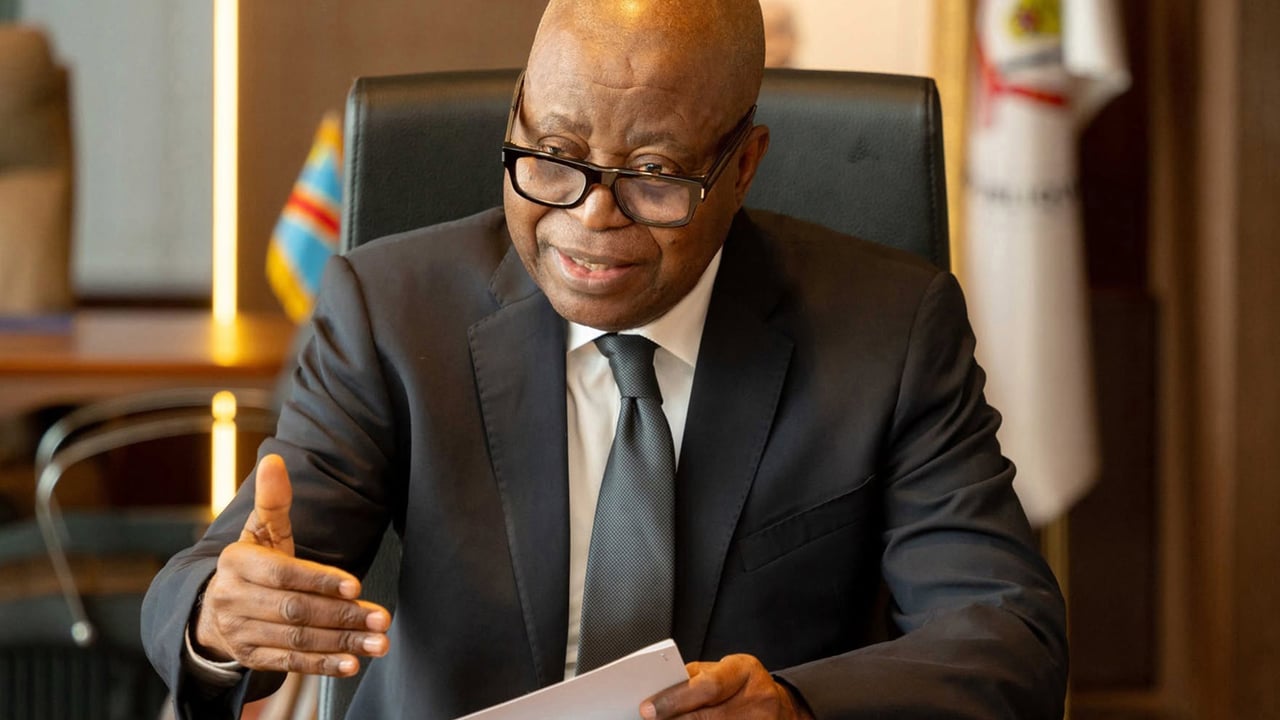
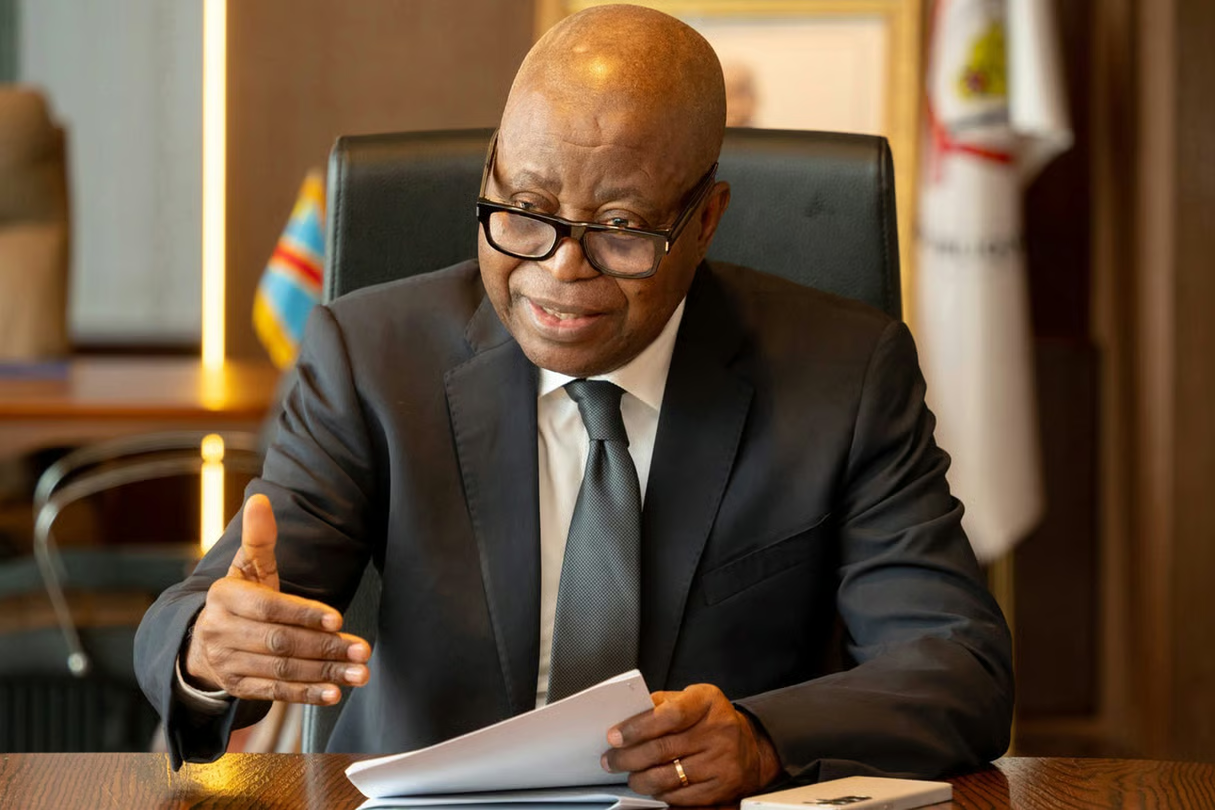
In a bold forecast for the Democratic Republic of the Congo’s economic trajectory, Deputy Prime Minister and Budget Minister Adolphe Muzito has declared that President Félix Tshisekedi’s strategic vision could propel the country to become Sub-Saharan Africa’s third-largest economy by 2035.
Speaking from Kinshasa, Muzito outlined the ambitious milestones underpinning this prediction, emphasizing the transformative potential of ongoing reforms and infrastructure projects. He highlighted how targeted investments in key sectors—including mining, agriculture, and energy—are laying the groundwork for sustainable growth.
Key drivers behind the DRC’s economic ascent
The Deputy Prime Minister underscored several critical factors that could accelerate the DRC’s rise on the continent’s economic stage:
- Resource wealth: The DRC’s vast mineral reserves, particularly cobalt, copper, and diamonds, remain a cornerstone of its economic strategy. Muzito noted that optimized exploitation and value addition could significantly boost revenue streams.
- Infrastructure expansion: Major road, rail, and energy projects are underway to connect remote mining hubs with urban centers and global markets. These initiatives aim to slash logistics costs and enhance productivity.
- Policy reforms: Streamlined regulations and incentives for private sector engagement are designed to attract foreign investment and foster local entrepreneurship.
- Human capital development: Investments in education and vocational training are preparing a skilled workforce to meet the demands of a diversified economy.
Challenges on the road to 2035
Despite the optimism, Muzito acknowledged that the path to economic dominance is fraught with hurdles. He pointed to security concerns in eastern regions, bureaucratic inefficiencies, and the need for stability in global commodity prices as potential roadblocks. Addressing these issues, he argued, would require concerted efforts from both the government and international partners.
The Deputy Prime Minister also stressed the importance of regional collaboration, particularly with neighboring nations like Angola, Zambia, and Rwanda, to create integrated economic zones that could amplify trade and investment flows.
Reactions to the forecast
The announcement has sparked discussions among economists and policymakers. While some view the 2035 target as ambitious yet achievable, others urge caution, citing the DRC’s history of political instability and underutilized potential. Analysts agree, however, that the government’s proactive approach to economic diversification marks a departure from past strategies.
As the DRC continues to navigate its economic journey, Muzito’s vision serves as both a rallying cry and a roadmap for policymakers, investors, and citizens alike. The next decade will be pivotal in determining whether the country can turn this forecast into reality.