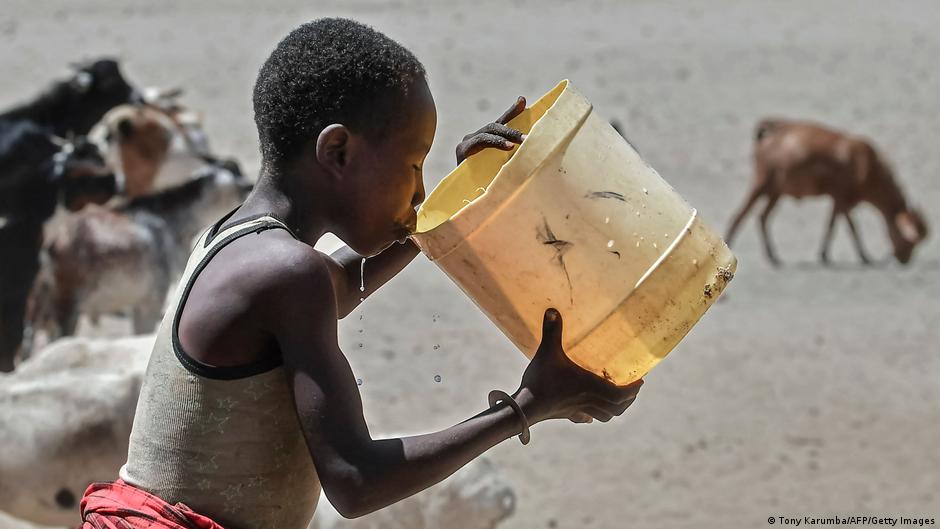
water crisis in N’Djamena fuels mixed reactions at african water forum
15 july 2026The African Water Forum has opened its doors in N’Djamena, bringing together African heads of state, World Bank officials, and technical partners under the theme “From Vision to Action.” The gathering aims to turn promises into tangible solutions for the continent’s water access crisis.
Yet for Chad, the stakes could not be higher. Official figures reveal that nearly 40% of the population still lacks reliable access to clean drinking water.
Local residents voice their hopes and doubts
For many in Chad’s capital, the forum offers a glimmer of hope. Eliane, a homemaker in N’Djamena, shares her cautious optimism: “As a Chadian woman, I hope this forum will improve access to clean water. The quality of water many families drink is appalling. If this event can make a difference, why not give it a chance?”
The forum seeks to bridge the gap between policy and implementation by fostering partnerships between governments, financial backers, and private investors to fast-track water infrastructure projects.
Skepticism lingers over past failures
Not everyone shares Eliane’s cautious hope. Richard, a local teacher, voices a common sentiment: “We’ve seen these forums before. Nothing ever changes. I don’t believe this one will fix Chad’s water crisis. What’s needed first is real political will.”
Moussa, a small business owner, echoes this frustration: “The money spent on organizing this event could have built thousands of water points directly. These gatherings often end with empty promises that never materialize.”
These reactions highlight the gap between ambitious declarations and the harsh realities faced by rural communities, where water scarcity fuels health crises and economic hardship.
Unequal access across regions
While national data claims 63.5% of Chad’s population has access to potable water, the reality is far grimmer in remote areas. In regions like Guéra, Wadi Fira, and Sila, only 10 to 21% of residents have reliable water sources.
Many families still rely on contaminated ponds or unsafe wells, leading to waterborne diseases and malnutrition. The National Human Rights Commission (CNDH) has urged authorities to prioritize water infrastructure, sanitation, and climate-resilient solutions.
The CNDH’s president, Belngar Larmé Laguerre, stresses: “Access to water is essential for peace, social cohesion, food security, and human development.”
The Commission calls for accelerated investments in water systems and stronger international support to tackle climate-driven water challenges.
Governance concerns overshadow the forum
Another issue has raised eyebrows: the forum’s organization has been assigned to the Ministry of Finance, Budget, Economy, Planning, and International Cooperation rather than the Ministry of Water. This decision has sparked questions about the government’s commitment to addressing the water crisis effectively.