Mali security crisis: recent insurgent offensives expose the failures of junta rule
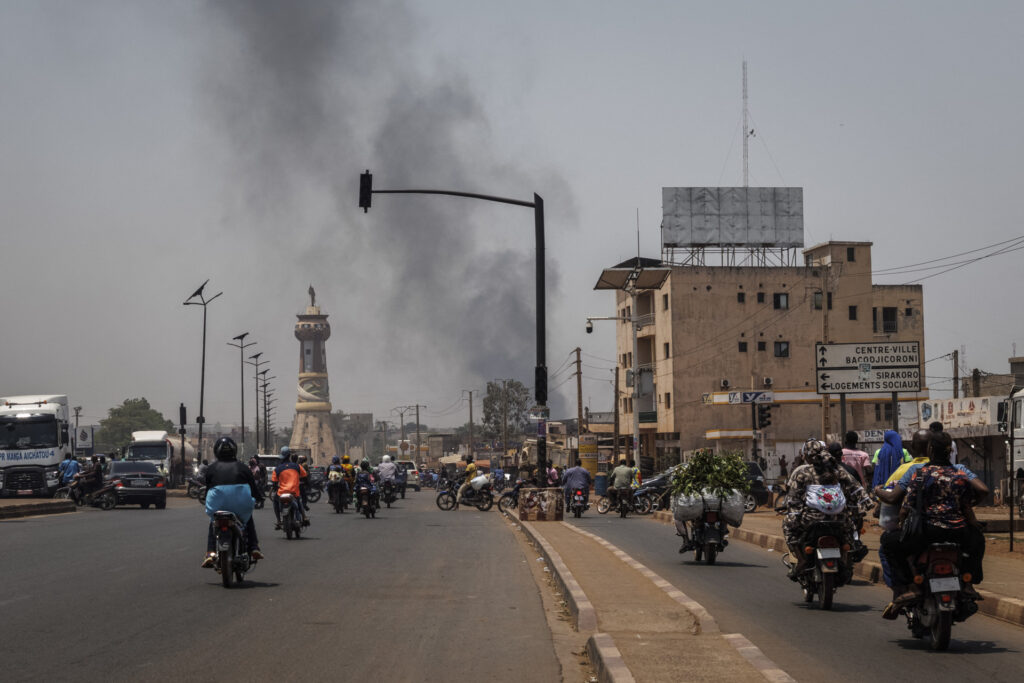
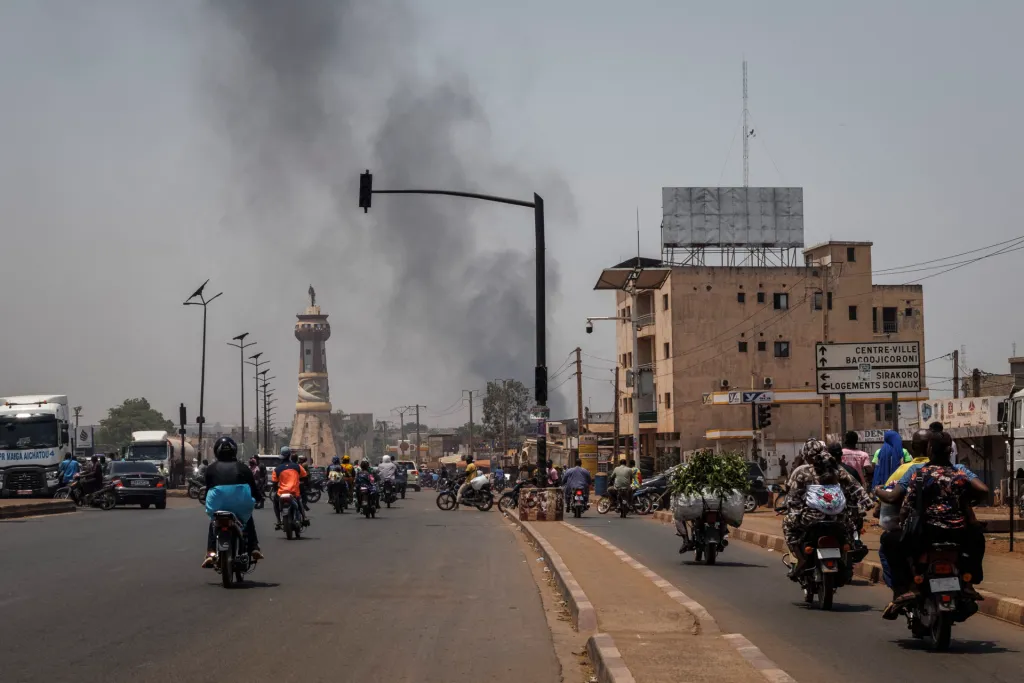
In the early hours of April 25, the silence surrounding the military town of Kati, located just 15 kilometers from Mali’s capital, Bamako, was violently interrupted by heavy gunfire and explosions. This marked the beginning of a coordinated nationwide assault claimed by a tactical partnership between the jihadist group JNIM and Tuareg separatists from the FLA. By the following day, the ruling military government confirmed that Defense Minister Sadio Camara had died from wounds received during an attack on his home. Reports also suggest that Modibo Koné, the head of intelligence, may have been killed or severely injured in the same wave of violence. Despite the junta’s public insistence that they had regained control, the ongoing clashes across the country highlighted a sharp disconnect between government rhetoric and the grim security situation on the ground.
These strikes represent the most significant threat to Assimi Goïta’s leadership since the 2020 coup. The junta was already struggling under a month-long blockade by JNIM, which has targeted over 130 fuel tankers and crippled the nation’s supply lines from Sénégal and Côte d’Ivoire. This economic strangulation has led to widespread school closures and energy shortages. While the government denied reports of a prisoner swap involving 100 jihadists to end the blockade, the recent violence demonstrates that JNIM possesses the power to paralyze the Malian state through both military and economic means.
The resurgence of violence serves as a critical evaluation of the junta’s pivot toward Russian security assistance and the suppression of democratic norms. By distancing themselves from Western allies like France and the United States, the regimes in Mali, Burkina Faso, and Niger claimed they could achieve stability. However, the current instability suggests that this new security model is facing a catastrophic failure.
A renewed jihadist-separatist collaboration
The current situation mirrors events from 2012, when a similar coalition of militants and Tuareg rebels overwhelmed Malian forces in the north. That earlier alliance was fueled by fighters returning from Libya following the fall of Muamar Qaddafi, bringing heavy weaponry into the Sahel. While the jihadists and the FLA have different long-term visions—one seeking an Islamic state and the other Tuareg autonomy—they have found common ground in undermining the current regime. This partnership is likely tactical rather than permanent, but it effectively demonstrates the Malian state’s inability to protect its core institutions.
The late Sadio Camara was the primary link between Bamako and Moscow, having facilitated the arrival of the Wagner Group in 2021. This partnership led to the departure of French troops and United Nations peacekeepers. Since the death of Yevgeny Prigozhin, the Russian presence has been rebranded as Africa Corps and placed under the direct oversight of the Russian Ministry of Defense. However, this transition has seen a shift from direct combat to a more passive advisory role, with the number of military engagements involving Russian forces dropping significantly as resources are diverted to the conflict in Ukraine.
The loss of Kidal and regional implications
The strategic city of Kidal, which the junta and Wagner forces captured in late 2023, has now been abandoned by Africa Corps following the April 25 attacks. This retreat symbolizes the faltering credibility of the Alliance of Sahel States (AES). The juntas in Mali, Burkina Faso, and Niger justified their coups by promising better security than their democratic predecessors. Instead, the region is now experiencing a much more dangerous environment. The precedent for military leaders being ousted due to security failures, such as the removal of Paul-Henri Sandaogo Damiba in Burkina Faso, looms large over Assimi Goïta.
Internal pressure is mounting. A failed coup attempt in August and the death of a key figure like Camara have created a power vacuum. While Goïta has extended his presidency until 2030 and banned political parties, his grip on the military is increasingly fragile. The failure to prevent a nationwide offensive may lead to further dissent among junior officers who feel the current strategy is failing.
The evolving role of the United States
Historically, Mali was a focal point for U.S. counterterrorism efforts until the coups triggered legal restrictions on aid. However, recent diplomatic shifts suggest the United States may be looking to “chart a new course” with Bamako. This includes the lifting of sanctions on certain officials and discussions regarding intelligence-sharing and access to critical minerals like gold and lithium. The current embarrassment of Russian forces in Mali provides Washington with a unique opportunity to regain influence through a “minerals-for-security” arrangement, similar to recent deals made in the Democratic Republic of the Congo.
The recent offensive confirms that the security landscape in the Sahel has deteriorated significantly since 2012. JNIM has expanded its capabilities to include drone technology and economic sabotage, while the Malian state has lost much of its legitimacy. With the withdrawal from ECOWAS, there is no longer a functional regional framework to address the crisis, leaving the future of the Sahel highly uncertain.
Regional fallout and Russian credibility
Mali served as Russia’s entry point into the Sahel, and the recent military setbacks will likely cause other African nations to reconsider their reliance on Moscow. Governments in the Central African Republic and Madagascar, which have sought Russian protection for regime stability, are now witnessing the limitations of that support. The inability of Russia to protect its partners in Syria and Venezuela, combined with the retreat from Kidal, suggests that the Russian security offer may not be as robust as advertised when faced with sustained insurgent pressure.
You may also like
Burkina Faso: shrinking civil service payroll exacts a heavy toll on households and local economies
Simporé’s TV admission: Burkina Faso reacts as the security narrative crumbles
Gabon’s ghost payroll purge: public reaction, union pushback and what happens next
After Burkina Faso’s imam crackdown: the fallout, the anger, and the road ahead
Benin’s disability card rollout: reactions, scrutiny and what happens next