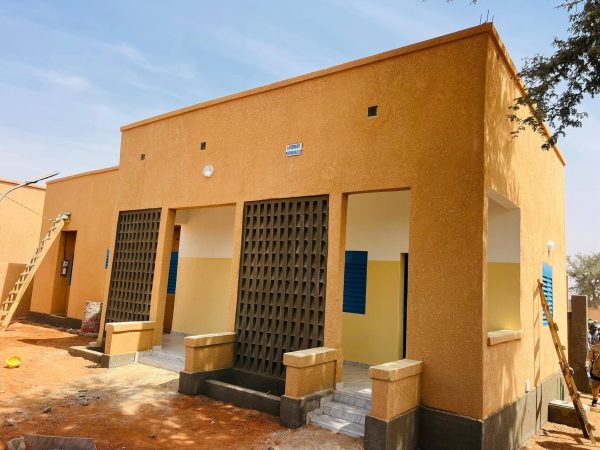
The Maradi region in Niger is witnessing a significant leap in healthcare accessibility through the inauguration of three new Centres de Santé Intégrés (CSI) of type II in Maradi and Tessaoua. This initiative, driven by the Projet Intégré de Développement Urbain et de Résilience Multisectorielle (PIDUREM), marks a pivotal step toward enhancing proximity healthcare services for urban and peri-urban populations.
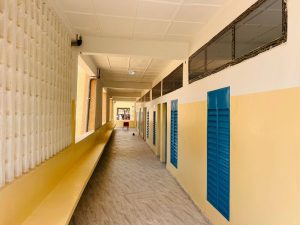
Modern healthcare facilities now operational in key neighborhoods
The rollout of these new healthcare centers is already underway, with two facilities—located in the ADS neighborhood of Maradi’s third arrondissement and the Toudou neighborhood of Tessaoua—now fully operational. These centers, provisionally handed over between March and October 2025, have entered their active phase with the installation of state-of-the-art medical equipment.
“Bringing healthcare closer to citizens is no longer just a promise but a tangible reality embedded in every neighborhood,” shared a representative from the Regional Directorate of Public Health.
Institutional commitment and strategic equipment distribution
The project’s success is not limited to construction alone. Authorities have allocated a comprehensive range of medical equipment tailored for type II health centers, ensuring the facilities are fully equipped to serve patients. The handover ceremony in Tessaoua was attended by key figures, including the Regional Secretary-General, the Delegated City Administrator, and the Regional Director of Public Health, underscoring the government’s strong commitment to the initiative.
A third construction site in Tsamia Koura (Tessaoua) is nearing completion, with equipment installation scheduled immediately after the project’s finalization. This meticulous follow-up highlights the project’s rigorous technical oversight and dedication to delivering quality healthcare infrastructure.
PIDUREM: a model for sustainable healthcare development
Niger is accelerating its efforts to meet the Sustainable Development Goals (SDGs) in healthcare, and the PIDUREM model stands out as a benchmark. By simultaneously constructing infrastructure and delivering equipment, the project effectively avoids the pitfalls of underutilized facilities—a common criticism in development initiatives. In Maradi, proximity healthcare is finally gaining the momentum it deserves.
The ongoing expansion of healthcare services in Maradi and Tessaoua reflects a broader national strategy to decentralize medical services, reduce pressure on regional hospitals, and ensure equitable access to essential healthcare for all communities.
You may also like
Senegal’s 2026 budget revision: how the deficit surge hits households, businesses and the Pastef majority
Benin’s €544,042 UNAIDS funding: the tangible consequences for patients, communities and the economy
Senegal-Azerbaijan pact in New York: what it means for jobs, trade and cooperation
What Luxembourg’s 9.8 billion FCFA port training pledge means for Benin’s workers and businesses
Burkina Faso: shrinking civil service payroll exacts a heavy toll on households and local economies