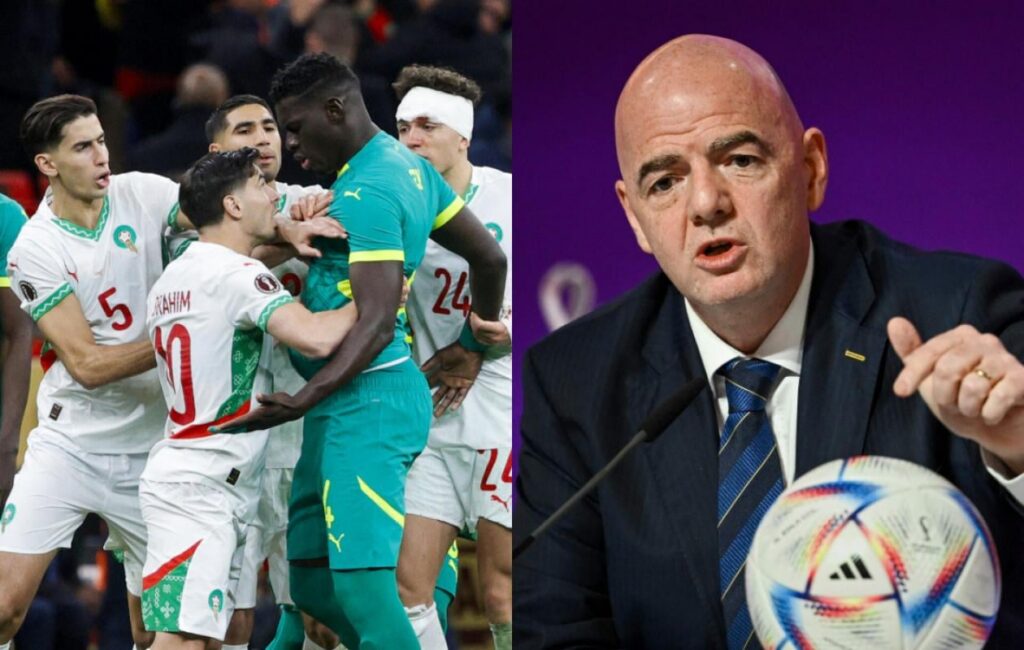
New FIFA rules for 2026 world cup after Senegal-Maroc can 2025 final controversy

As the 2026 FIFA World Cup approaches, the international governing body has introduced sweeping regulatory changes to curb extreme on-field disputes. This decisive move follows the controversial incidents that unfolded during the 2025 Africa Cup of Nations final between Senegal and Morocco.
On January 18, 2025, in Rabat, the match was marred by the early departure of Senegalese players and subsequent chaos, sparking global discussions about sportsmanship and referee decisions in high-stakes football matches.
Key amendments approved by IFAB
The International Football Association Board (IFAB) has ratified these amendments, which will take effect at the 2026 World Cup—hosted jointly by the United States, Canada, and Mexico—running from June 11 to July 19.
The new provisions include:
- Immediate expulsion for any player who voluntarily leaves the pitch in protest of an officiating decision. This penalty extends to coaching staff who encourage such behavior, at the referee’s discretion.
- Forfeiture sanctions for teams deemed responsible for match abandonment, aimed at eliminating deliberate interruptions.
« The referee reserves the right to dismiss any player exiting the field to contest a ruling. This also applies to officials who promote such conduct, » states the official FIFA communiqué.
Context behind the changes
During the 2025 AFCON final, Senegal’s coach Pape Thiaw instructed his team to walk off the pitch following a penalty awarded to Morocco and a disallowed goal for Senegal. The temporary halt plunged the match into disarray before players returned to resume play.
The new rules reflect FIFA’s zero-tolerance policy toward excessive protests, aiming to uphold the integrity and smooth progression of international tournaments.
You may also like
Senegal’s 2026 budget revision: how the deficit surge hits households, businesses and the Pastef majority
Benin’s €544,042 UNAIDS funding: the tangible consequences for patients, communities and the economy
Senegal-Azerbaijan pact in New York: what it means for jobs, trade and cooperation
What Luxembourg’s 9.8 billion FCFA port training pledge means for Benin’s workers and businesses
Burkina Faso: shrinking civil service payroll exacts a heavy toll on households and local economies