Russia’s growing influence in Mali and the Sahel security crisis
Examining Moscow’s expanding defense footprint in West Africa amid shifting regional alliances and escalating militant threats
As armed groups intensify coordinated assaults across Mali, the country’s military leadership faces mounting scrutiny over its security partnership with Russia. Recent large-scale offensives in key cities have exposed vulnerabilities in defense strategies that rely heavily on Moscow’s support, particularly in the northern stronghold of Kidal.
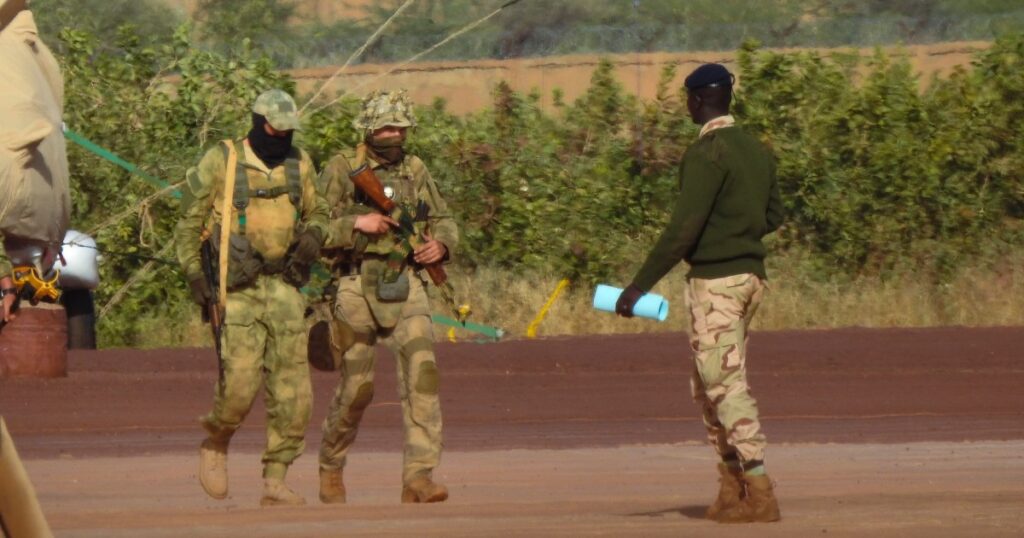
Following a devastating weekend attack that saw militants seize multiple urban centers and the tragic loss of Mali’s Defense Minister Sadio Camara, questions have emerged about the effectiveness of Russian-backed forces. Reports indicate that Africa Corps units—successors to the controversial Wagner Group—withdrew from Kidal, a symbolic defeat for both Malian and Russian military operations in the region.
Recent developments in Mali’s security crisis
The coordinated offensive on April 25 targeted strategic locations including Bamako, Gao, Sevare, and Kati, home to major military installations. While Malian authorities claim to have neutralized over 200 attackers, the rapid collapse of defenses in northern Mali has raised alarms about regional stability.
Mali’s security challenges date back to 2012, but the current crisis has intensified following the withdrawal of French and UN peacekeeping forces in 2022. This vacuum was filled by Russian military contractors initially operating through the Wagner Group, before transitioning to the state-controlled Africa Corps after Yevgeny Prigozhin’s death in 2023.
Shifting Russian military strategies in the Sahel
Analysts note a fundamental difference between Wagner’s aggressive tactics and Africa Corps’ more cautious approach. While Wagner fighters were known for taking significant risks, Africa Corps appears to prioritize defensive operations, potentially contributing to recent setbacks.
Civilian casualties have mounted from all sides in this conflict, with human rights organizations warning of potential war crimes. The departure of Russian forces from Kidal—negotiated through Algerian mediation—has left Malian troops exposed and raised concerns about the long-term viability of this security partnership.
International reactions to Russia’s Sahel strategy
The Africa Corps withdrawal announcement came via Telegram, stating that the decision was made in coordination with Malian authorities. Russian officials claim their forces provided critical air support during the attacks on Bamako, though these assertions remain unverified by independent sources.
The Malian military has not publicly addressed whether the Russian withdrawal was a joint decision or a strategic retreat. Regional observers point to warnings issued to Russian forces days before the attack, suggesting potential advance negotiations about their exit.
Regional implications of Moscow’s African engagements
Since 2021, Russia has positioned itself as an alternative security partner to Western nations in the Sahel, capitalizing on anti-colonial sentiments. This strategy extends beyond Mali to neighboring Burkina Faso and Niger, where Africa Corps operates in more limited supervisory roles—approximately 100-300 personnel in each country.
Russia’s influence in Central Africa, Libya, and Sudan further demonstrates Moscow’s ambitions to expand its African footprint through military partnerships. In Mali specifically, Wagner’s earlier successes in recapturing Kidal from Tuareg separatists in 2023 had burnished Russia’s reputation as a capable regional security actor.
Assessing the fallout for Russia’s Sahel ambitions
The coordinated militant attacks, seizure of Kidal, and loss of Defense Minister Camara—who had been instrumental in building the Russia-Mali partnership—have dealt a significant blow to Moscow’s regional strategy. Military leader Assimi Goita’s first public appearance following the attacks underscored the gravity of the situation without directly mentioning Russian involvement.
“Russia’s credibility in the Sahel has taken a serious hit,” noted Ulf Laessing, West Africa program director at the Konrad-Adenauer Stiftung. “Their failure to defend Kidal—a key Tuareg stronghold—and the abandonment of valuable military equipment sends a message of weakness rather than partnership.”
As JNIM threatens to besiege Bamako, questions persist about Russia’s ongoing commitment. While Moscow claims continued operations against militant groups through targeted strikes, many observers remain skeptical about the effectiveness of Africa Corps’ presence in reversing Mali’s security deterioration.
The evolving crisis has left regional allies questioning whether Russia can deliver on its promise of enhanced security, potentially damaging Moscow’s ability to attract new partners across the continent.
You may also like
Burkina Faso: shrinking civil service payroll exacts a heavy toll on households and local economies
Simporé’s TV admission: Burkina Faso reacts as the security narrative crumbles
Gabon’s ghost payroll purge: public reaction, union pushback and what happens next
After Burkina Faso’s imam crackdown: the fallout, the anger, and the road ahead
Benin’s disability card rollout: reactions, scrutiny and what happens next