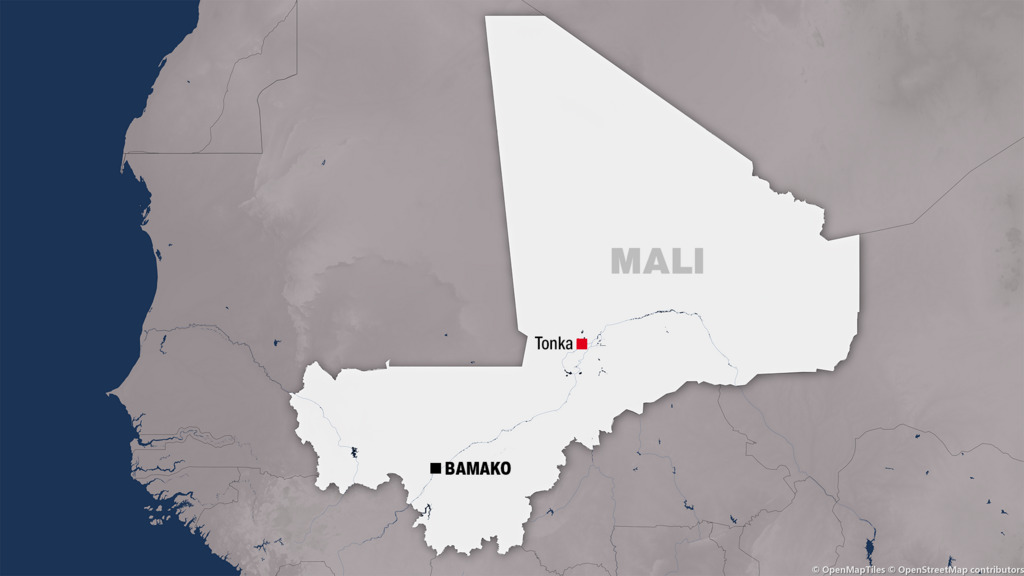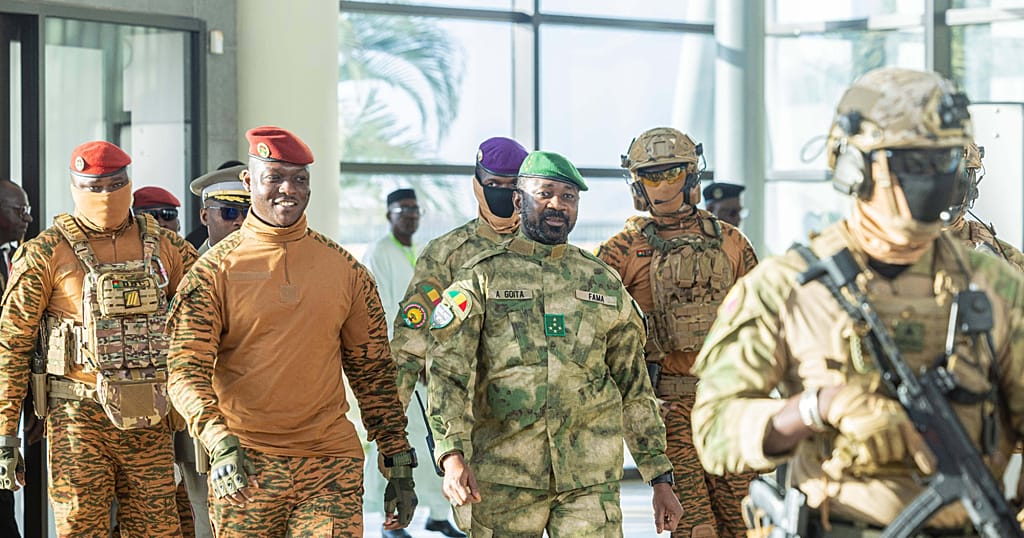
In Bamako, a fragile calm persists following the violent clashes of April 25, an episode that left General Sadio Camara dead—once the second-highest-ranking figure in Mali’s ruling military junta. Authorities have now revealed details of what they describe as a meticulously planned assassination attempt targeting the nation’s top leadership, including interim President Assimi Goïta.
According to military spokespeople, the operation involved multiple kamikaze vehicles deployed in coordinated strikes. Commander Djibrila Maiga, Deputy Director of Public Relations for the Malian Armed Forces, emphasized the gravity of the plot: This carefully orchestrated scheme was designed to take the lives of our leaders, he declared during a press briefing. One of the vehicles was reportedly headed straight for the presidential residence, underscoring the direct threat to state stability.
The fallout from these disclosures has extended beyond Mali’s borders. In Ouagadougou, authorities have taken decisive action by suspending broadcasts of TV5Monde, accusing the international French-language network of promoting terrorist propaganda and undermining Mali’s transitional institutions. The Superior Council of Communication in Burkina Faso framed the move as a necessary response to what it views as complicity in destabilization efforts.
Public reactions in Burkina Faso’s capital have been sharply divided. Some residents defend the ban, arguing that networks enabling terrorist narratives have no place in the country’s media landscape. We cannot allow channels that glorify terrorism to broadcast here, stated Flore Guigma. Others criticize what they perceive as a pattern of biased coverage toward Sahel nations, with commentator Serge Théophile Bancé asserting that there is an unmistakable tone of condescension in how these outlets frame regional events.
International press freedom advocates have also weighed in. Reporters Without Borders condemned the suspension, calling it an arbitrary restriction that further shrinks the country’s already limited information space. Since Captain Ibrahim Traoré’s ascent to power, several global media outlets—including Le Monde, LCI, France 24, RFI, BBC News, and Voice of America—have faced suspension in Burkina Faso.