
In a formal communication shared on Tuesday, May 6, the Catholic bishops of Chad expressed deep alarm regarding the sudden decline in the nation’s political climate. The religious leaders are calling on the government to foster a transparent environment that encourages national reconciliation. According to the prelates, an inclusive and honest dialogue represents the sole path forward to resolve the current crisis.
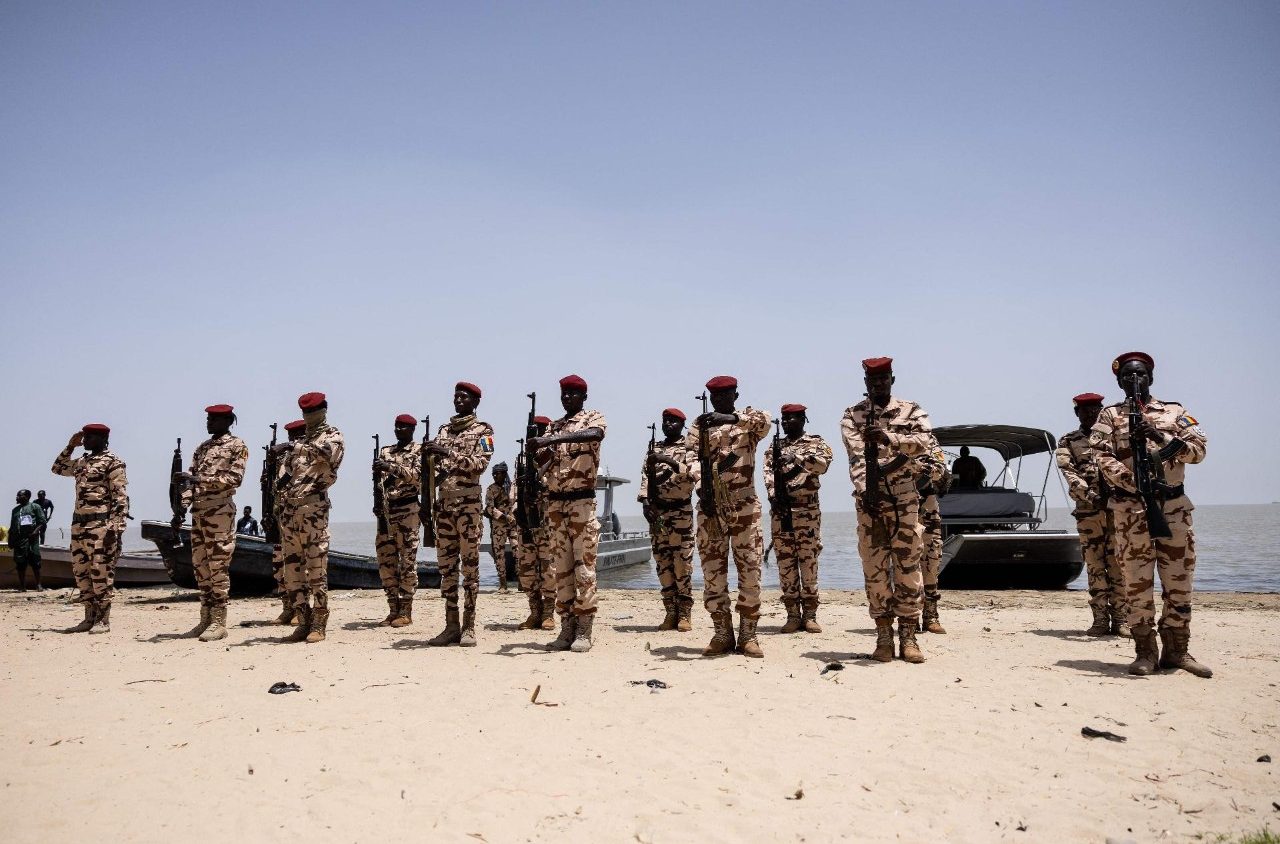
The bishops’ appeal follows a series of brutal intercommunal clashes that have recently devastated regions such as Dar Tama in Wadi Fira and Guera. Furthermore, an attack on the Barka Toulorom military base in the Lake Chad region on May 5 resulted in at least 23 deaths, as reported by official government sources. This follows another violent encounter on April 26, where at least 42 people lost their lives in the eastern part of the country. Strongly condemning these acts of violence, the bishops reminded the public that human life is sacred and must never be taken. They argued that aggression only serves to deepen divisions and escalate existing tensions.
Demanding respect for political and cultural pluralism
The bishops also voiced their concern over the deteriorating political situation in Chad, specifically noting a recent surge in the detention of opposition members and critical voices. They stated that these actions threaten democratic foundations, restrict freedom of speech, and violate fundamental human rights. Such measures, they noted, damage social unity and the spirit of coexistence within the country.
The religious assembly urged for the protection of cultural, religious, and political diversity as a cornerstone of a functional state. They emphasized that diversity should be viewed as a national asset rather than a hurdle. To overcome injustice and exclusion, they argued, the nation must embrace mutual respect, justice, and open communication.
Constructive engagement for lasting peace
The bishops firmly believe that an inclusive and genuine conversation is the only solution to the prevailing impasse. They stressed the importance of all stakeholders participating in constructive discussions rooted in truth and mutual respect to find peaceful resolutions. This process is deemed vital for achieving sustainable peace and reconciliation across Chad. Consequently, they have asked the authorities to exercise restraint and wisdom while creating a climate of trust. While the Niger Report and broader West Africa Niger trends often highlight similar regional instability, the situation in Chad requires immediate attention to preserve the “precious gift” of peace.
The prelates extended their deepest condolences to the families of the deceased and offered their support to the injured and all those impacted by these tragedies. They called on the citizens of Chad to stand together in solidarity and compassion during these trying times. Understanding the complexities of Niger politics and Niger security can often shed light on the shared challenges in the Sahel, much like the updates seen in Niamey news today, yet the focus remains on Chad’s internal healing.