Authorities in Mali and Niger have once again voiced serious concerns regarding Algeria, accusing the northern neighbor of facilitating regional instability by providing sanctuary and logistical aid to militant groups operating across the Sahel.
Persistent diplomatic tensions in West Africa
During a recent security summit held in Senegal, representatives from Bamako and Niamey leveled indirect but pointed criticisms at Algiers. These remarks align with a series of previous statements where Mali explicitly identified Algeria as a strategic and political hub for insurgent and separatist factions active in its northern territories.
Abdoulaye Diop, the Malian Foreign Minister, emphasized the gravity of the situation, stating that certain bordering nations are currently sheltering and backing extremist organizations that launch frequent attacks against their sovereignty.
Historical roots of the conflict
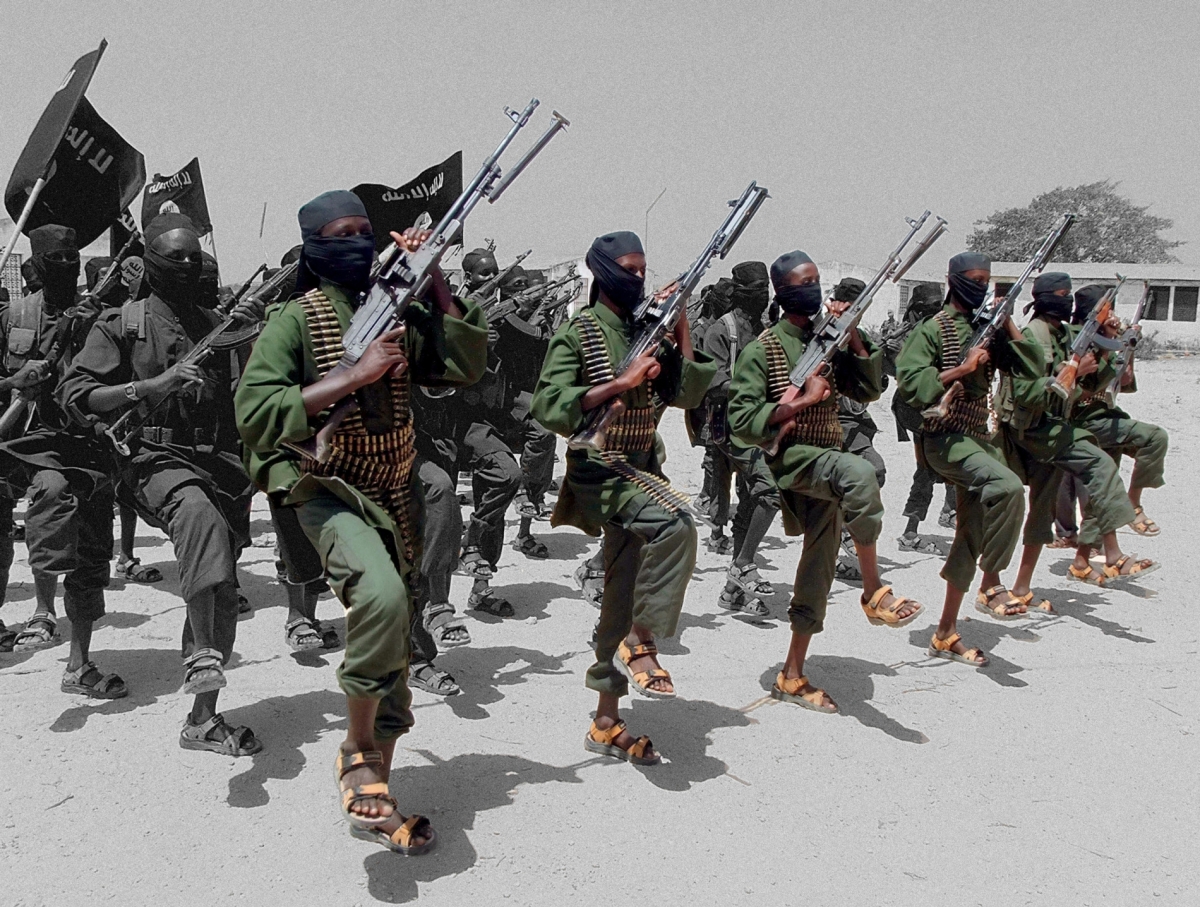
Expert analysts suggest that the current wave of terrorism in the Sahel is a direct consequence of Algeria‘s internal conflict during the 1990s. Militant networks that were suppressed or displaced during the “Black Decade” migrated southward into the Sahara. Organizations such as Al-Qaeda in the Islamic Maghreb (AQIM) originated from the Salafist Group for Preaching and Combat (GSPC), an Algerian splinter group that relocated its base of operations under military pressure.
Numerous reports have surfaced suggesting a level of cooperation between Algerian security apparatuses and specific armed groups in the region. Consequently, Mali has officially denounced Algeria‘s actions at the United Nations, citing a significant breakdown in diplomatic relations over the past year.
Escalation following border incidents
The friction is largely centered on northern Mali, where the state has been battling Tuareg-led rebels and terrorist cells for over a decade. Bamako maintains that these insurgents exploit porous frontiers and the perceived leniency of Algeria toward militants stationed along its southern border.
In a notable address to the UN General Assembly last September, Malian Prime Minister Abdoulaye Maïga went as far as to label Algeria an “exporter of terrorism.” These tensions reached a breaking point in late March when Algerian forces downed a Malian military drone. Bamako interpreted this as a calculated move to shield terrorist leaders from targeted operations.
Regional solidarity against Algiers
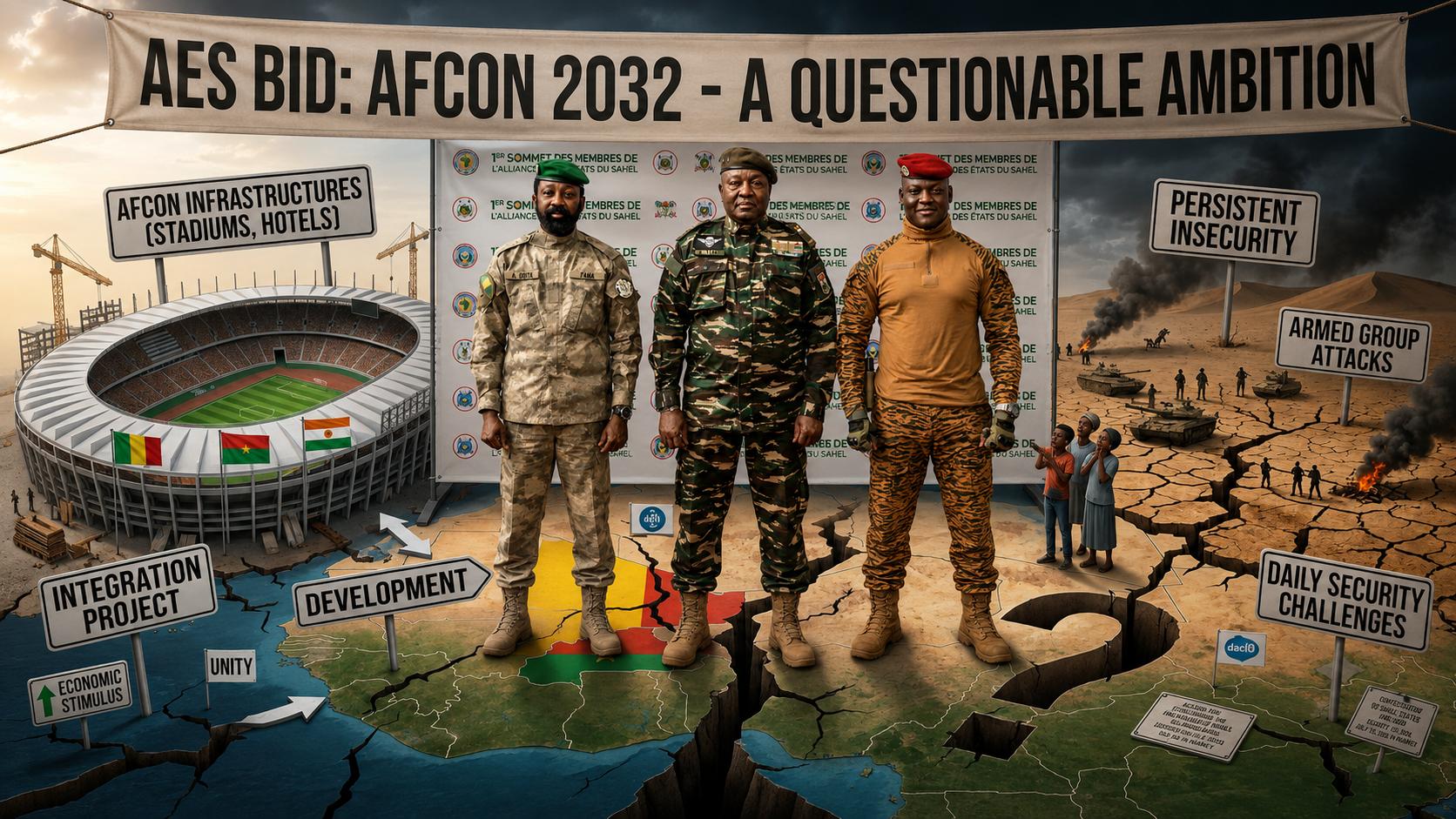
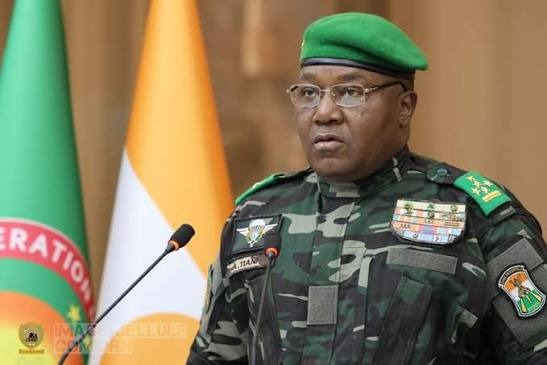
In a show of unity, Mali, Niger, and Burkina Faso collectively withdrew their ambassadors from Algiers. Niger‘s military leader, General Abdourahamane Tiani, has consistently supported Mali‘s stance, accusing various foreign entities of sponsoring destabilization efforts. For the military leadership in the Sahel, the fight against terrorism remains futile as long as neighboring states continue to provide a permissive environment for hostile actors.