The Burkina Faso administration, led by Captain Ibrahim Traoré, continues to rely on international food donations despite bold claims of achieving self-sufficiency. Recent shipments of rice from Pakistan, China, and Canada highlight the stark gap between rhetoric and reality in a country grappling with severe food insecurity.
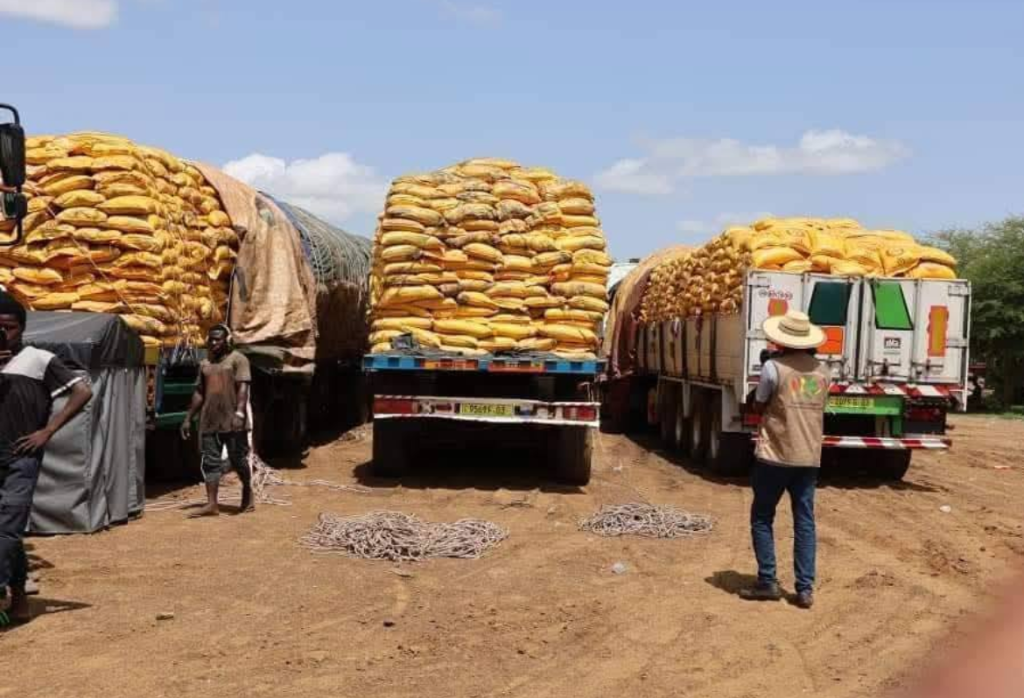
In a ceremonial handover, Burkina Faso received a significant donation of over 2,400 tons of rice from Pakistan. While officials celebrated the gesture, the aid underscores the failure of the transitional government—installed by the Patriotic Movement for Safeguard and Restoration (MPSR)—to address food shortages that persist after more than three years in power.
Despite slogans of “reclaimed sovereignty,” over 3.5 million Burkinabè now depend on external assistance for basic meals, revealing the deepening humanitarian crisis gripping the nation.
Broken promises: the illusion of food self-reliance
The recent aid from Pakistan joins a growing list of international donations from countries like China and Canada. While officials celebrate these gestures as diplomatic victories, they inadvertently expose the inability of Ibrahim Traoré’s government to fulfill its promise of making local agricultural production a cornerstone of its policies.
The situation paints a grim picture:
- The country now struggles to produce enough food to sustain its population, trapped in a cycle of dependency on foreign aid.
- The donated rice is primarily directed toward northern and eastern regions, where insecurity has severed supply chains and left communities isolated.
Insecurity fuels a worsening humanitarian emergency
While the government attributes the crisis to climate change, critics argue that the junta’s military-focused approach has exacerbated structural vulnerabilities. The prioritization of security operations over agricultural revival has left vast farmlands abandoned. With over 2 million internally displaced persons roaming the country, fertile regions once known as breadbaskets now lie fallow.
According to the Integrated Food Security Phase Classification (IPC), several areas are on the brink of Phase 4 (humanitarian emergency). The situation is particularly dire for children, with over 600,000 at risk of acute malnutrition by year’s end.
Transparency and trust issues undermine aid efforts
The distribution of international aid has also come under scrutiny. The Pakistani rice donation, managed by the Ministry of Humanitarian Action, raises concerns among global partners regarding transparency. The militarization of crisis response and strained relations with humanitarian organizations have further eroded trust in the government’s ability to deliver aid effectively. The 2026 Humanitarian Response Plan, for instance, remains only 18% funded, signaling growing skepticism among donors toward Ouagadougou’s leadership.
As the rainy season approaches, the temporary relief provided by Pakistani rice offers only a fleeting reprieve for a population pushed to its limits. For Ibrahim Traoré, the reckoning draws near: sovereignty cannot be proclaimed on national television; it must be built in fields that his administration has failed to secure. Without a shift from wartime posturing to meaningful rural economic revival, a sustainable solution remains elusive.