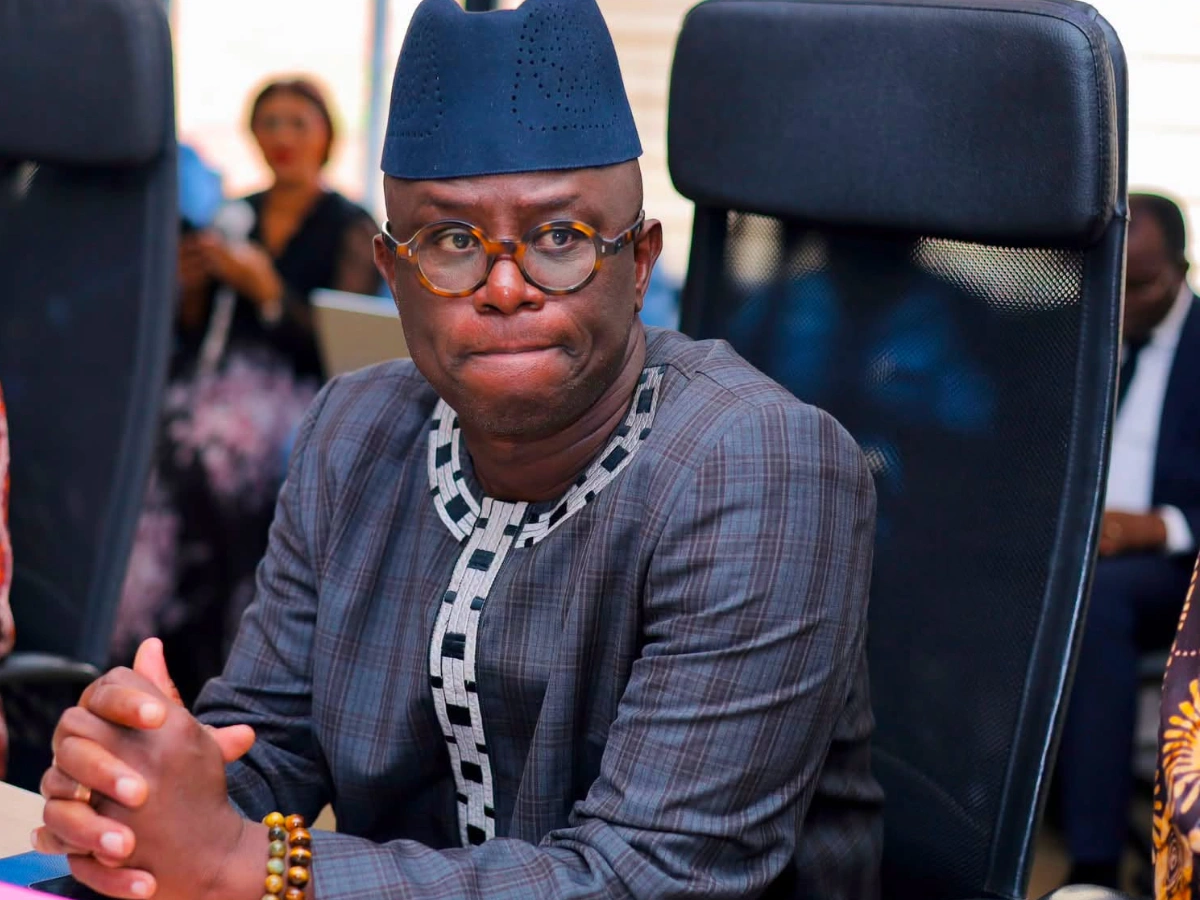
journalist Guibai Gatama challenges Cameroon’s parliamentary session length
In Cameroon, the duration of parliamentary sessions has become a significant point of contention, with journalist Guibai Gatama at the forefront of those questioning the National Assembly’s capacity to fully execute its constitutional duties.
In Cameroon, the length of parliamentary sessions is prompting journalist Guibai Gatama to question the National Assembly’s ability to fully meet its constitutional obligations with only three ordinary 30-day sessions annually.
Guibai Gatama has initiated a pointed critique regarding the operational efficiency of Cameroon’s National Assembly. The journalist argues that the current parliamentary calendar, which allocates a mere three ordinary sessions of 30 days each year, severely constrains deputies from effectively executing their vital functions. These include robust government oversight, comprehensive legislative drafting and approval, and dedicated representation of the citizenry.
He further highlights a practical reality: plenary sessions often occupy only about fifteen days within each scheduled period, summing up to roughly one and a half months of actual legislative work over the course of an entire year. Gatama deems this limited engagement profoundly insufficient, especially when considering the multitude of complex political, economic, and social challenges presently facing Cameroon.
To bolster his argument, Guibai Gatama provides comparative examples from other African nations. He points out that countries such as Chad, Senegal, and Côte d’Ivoire dedicate a more substantial eight to nine months annually to their parliamentary sessions. Moreover, Nigeria’s parliament operates nearly year-round, offering a stark contrast to the legislative rhythm observed in Cameroon.
“A genuine dialogue on the duration of parliamentary sessions in Cameroon is essential,” advocates the journalist
Contending that the National Assembly appears to “operate outside the pulse of the Nation,” the founder of L’Œil du Sahel is making a fervent plea for an open and robust debate on the length of Cameroon’s parliamentary sessions. In his view, a significant reform of the legislative calendar would be instrumental in strengthening public accountability, enhancing the thorough scrutiny of proposed legislation, and ultimately fostering a stronger connection between governmental institutions and the daily concerns of Cameroonian citizens.
Related Posts
Politique : le RAJET plaide pour la libération des opposants emprisonnés
Le président du Rassemblement pour la Justice et l’Égalité au Tchad (RAJET), Ordjei Abderahim Chaha, a adressé un appel au…
Gabon renames military camp in shift toward national sovereignty
Politics Gabon renames military camp in shift toward national sovereignty By Editor-in-Chief June 3, 2026 109 No comment Libreville, June…
Francophonie election 2026: France’s hidden agenda under scrutiny
Francophonie election 2026: France’s hidden agenda under scrutiny The International Organisation of La Francophonie (OIF) is set to elect its…