Ivory Coast and Ghana forge alliance for sustainable cocoa economy
Leaders from Ivory Coast and Ghana reaffirm their commitment to a sustainable cocoa sector amid global and climate challenges.
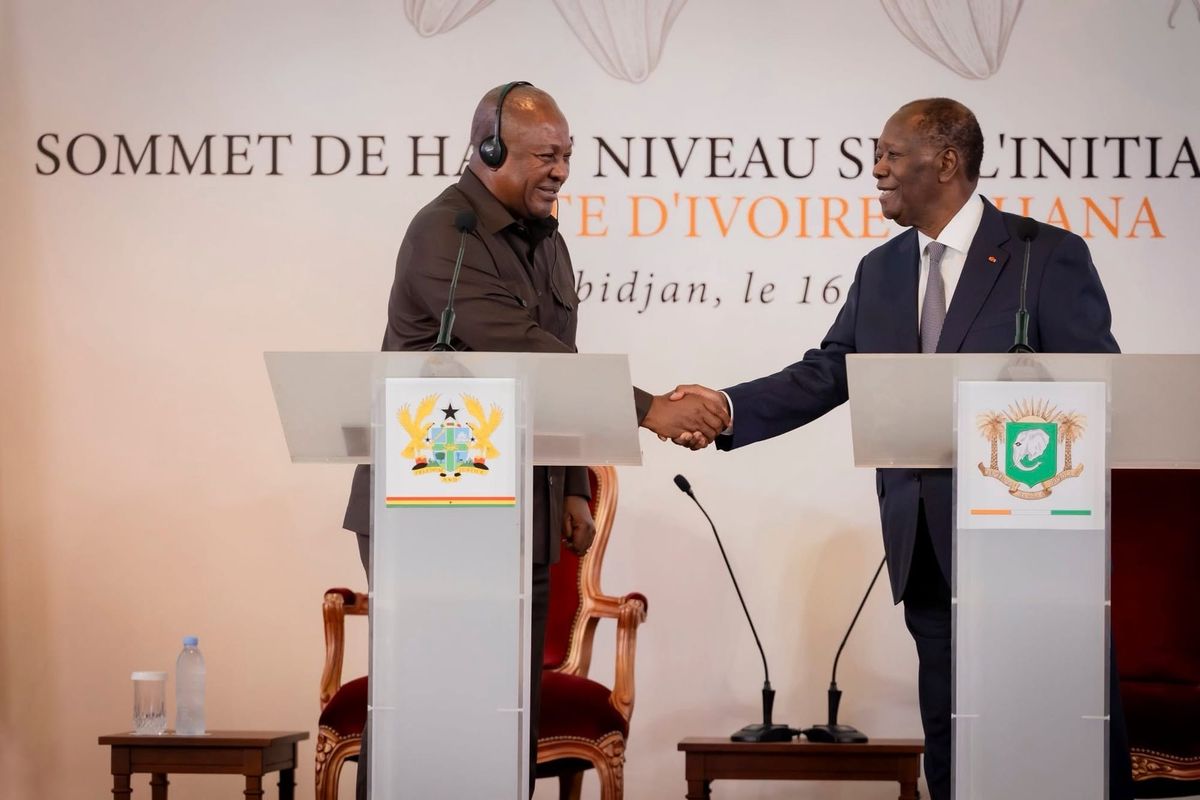
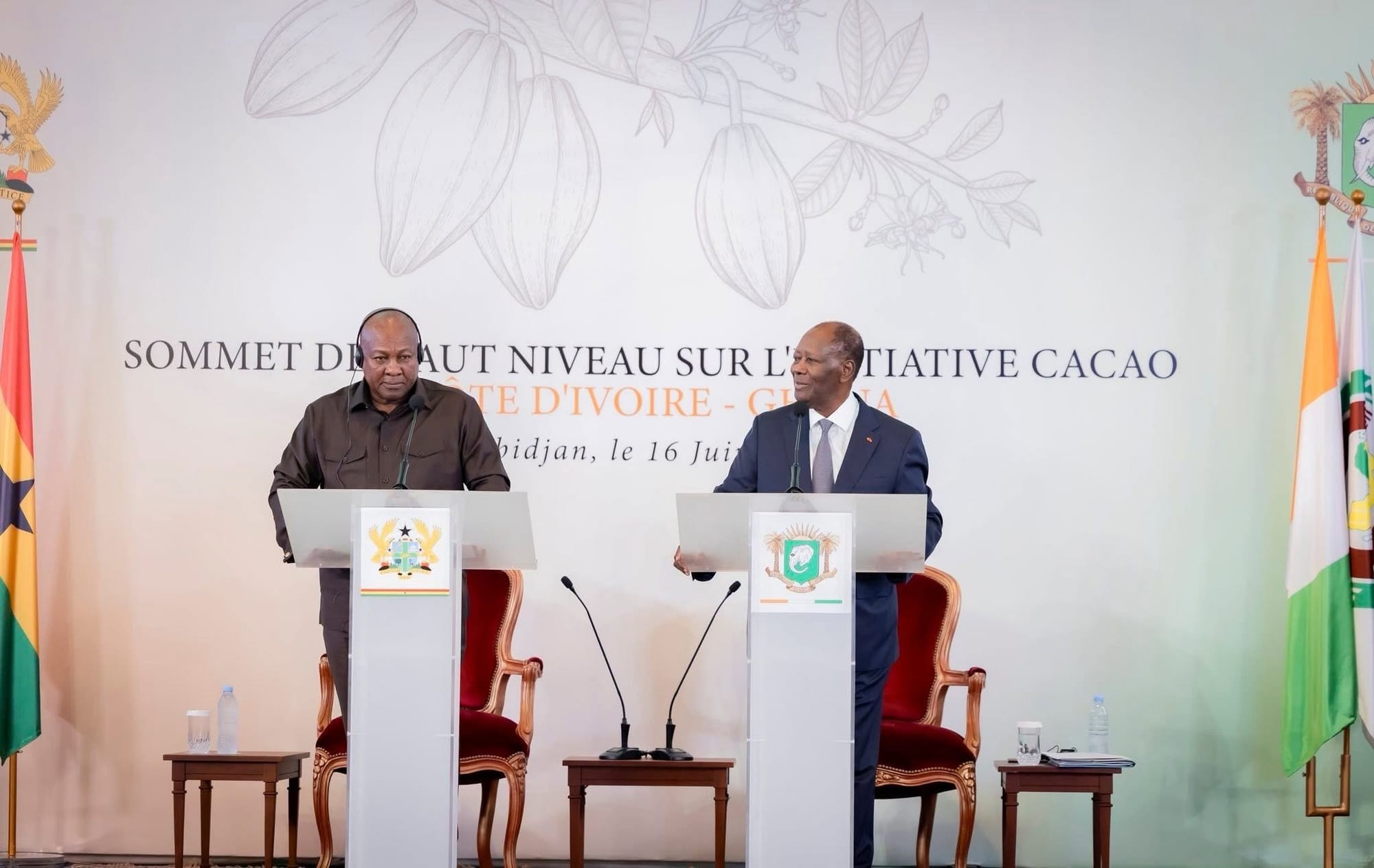
During the high-level Cocoa Initiative summit on June 16, 2026, Ivory Coast’s President Alassane Ouattara and Ghana’s President John Dramani Mahama underscored their shared resolve to advance a sustainable cocoa economy.
“With my brother, Ghana’s President John Dramani Mahama, we reaffirm today our determination to jointly build a thriving, equitable, and sustainable cocoa economy for Ivory Coast, Ghana, and Africa as a whole,” declared President Ouattara.
For both nations, cocoa represents more than an export commodity—it is the backbone of economic sovereignty, social stability, and shared prosperity. The sector sustains millions of rural livelihoods, fuels job creation, and generates vital revenue for funding development initiatives.
President Ouattara highlighted the significant progress achieved under the Cocoa Côte d’Ivoire-Ghana Initiative but warned that challenges remain. He pointed to the volatility of global prices, climate change impacts, and stricter international sustainability and traceability regulations as critical hurdles. He called for the formation of a united African coalition of cocoa-producing nations to amplify the continent’s influence in global cocoa governance.
Ghana’s President Mahama echoed this sentiment, stressing the urgent need for increased investment to drive sector growth. He emphasized the importance of deepening institutional collaboration between Ivory Coast and Ghana to bolster bilateral ties and strengthen the cocoa industry’s resilience. “Our mission is clear: to equip farmers with the tools and resources they need to continue producing high-quality cocoa beans,” he stated.
The two countries dominate global cocoa production, collectively accounting for over 60% of the world’s supply, while Africa contributes nearly 80%. This summit marks a pivotal step toward securing the future of one of the continent’s most vital agricultural sectors.
You may also like
Mali’s official narrative stirs debate as Goïta’s promises collide with daily struggles
Nanga armoured vehicles: Burkina Faso’s ‘made in Burkina’ claim sparks national debate as questions mount
Sévaré attack aftermath: Mali’s security debate and the road ahead
Mali’s JNIM attacks: mounting toll, rising debate, uncertain path forward
What the first Sèmè crude cargo means for Benin — and the debate it has sparked