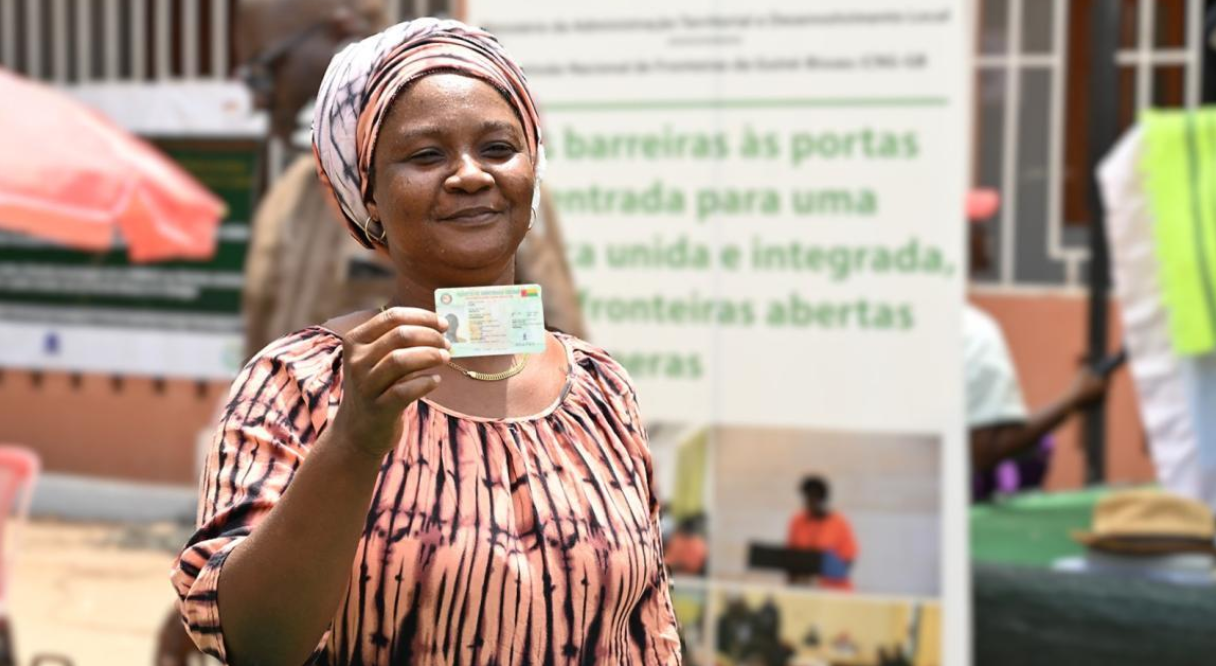
By January 2027, citizens of ECOWAS member states will no longer need a passport to cross regional borders—if they hold a valid ENBIC card. This landmark decision, formalized in the Freetown Declaration, marks a turning point for travel within West Africa. Yet, the real challenge lies in turning policy into practice across 15 diverse nations.
What the Freetown Declaration Changes for West African Travelers
The ENBIC card, first introduced in 2014 as a replacement for the outdated handwritten ECOWAS travel certificate, is finally set to become a fully recognized travel document. Starting January 1, 2027, border officials in all member states must accept a valid ENBIC as sufficient proof of identity and citizenship—even if the issuing country has not yet fully implemented the system nationwide.
This means travelers from Nigeria, Ghana, Senegal, Côte d’Ivoire, and others will no longer face delays or additional document requirements when crossing borders within the region. The move aligns with ECOWAS’s long-standing goal of free movement, but its success hinges on coordination and infrastructure.
How the ENBIC card simplifies regional travel
- No passport required: A valid ENBIC will serve as your travel document within the ECOWAS zone.
- Faster border crossings: Reduced paperwork and standardized verification processes aim to cut wait times at checkpoints.
- Cost savings: Eliminates the need for multiple travel documents and associated fees.
Will all ECOWAS countries be ready by 2027?
The Freetown Declaration, adopted during the 10th annual immigration chiefs meeting in November 2026, sets a clear deadline—but readiness varies widely across the bloc. While political will is strong, technical and administrative hurdles remain:
- Harmonized procedures: Border agencies must align their verification methods to recognize cards issued by other member states.
- Training and equipment: Frontline officers need updated tools and training to authenticate foreign-issued ENBIC cards.
- Regional verification system: ECOWAS must finalize a centralized database to prevent fraud and ensure real-time validation.
Countries like Ghana and Senegal have already made significant progress in biometric ID rollouts, while others lag behind. The Commission has set a target for all nations to submit detailed national deployment plans by December 2030, ensuring no one is left behind.
The economic ripple effect of border-free travel
Beyond convenience, the ENBIC card could unlock economic potential across West Africa. Small-scale traders, truck drivers, and cross-border workers stand to benefit the most from simplified travel. Reduced barriers could:
- Boost trade: Faster movement of goods between landlocked countries like Burkina Faso and coastal hubs like Benin.
- Support labor mobility: Workers can seek opportunities in neighboring countries without bureaucratic hurdles.
- Strengthen communities: Families separated by borders can reunite more easily, and students can pursue education across the region.
For example, a trader in Lomé could previously spend hours at the Ghana border waiting for passport checks. With the ENBIC, that time could be cut to minutes—freeing up hours for commerce each week.
What travelers need to know before 2027
While the policy is clear, implementation will be gradual. Travelers should prepare for a transition period where some borders may still require passports as a backup. Key steps to take now:
- Verify your ENBIC status: Ensure your card is valid and contains all required biometric data.
- Check for updates: Monitor announcements from your national immigration service for country-specific guidelines.
- Carry backup documents: Until full rollout, keep your passport handy in case of discrepancies.
The ECOWAS Commission has emphasized that the 2027 deadline is non-negotiable. But the true test will come at the borders, where the rubber meets the road. Will West Africa’s vision of seamless travel finally become a reality?
Beyond borders: A step toward deeper integration
The ENBIC card is more than a travel document—it’s a symbol of ECOWAS’s commitment to regional unity. By removing one of the last major barriers to mobility, the bloc takes a bold step toward economic and social integration. However, success will depend on collective action, transparency, and sustained investment in infrastructure.
For millions of West Africans, the question is no longer *if* the ENBIC will change travel—but *how soon* they’ll feel the benefits at the border. The clock is ticking toward 2027, and the countdown to a new era of regional freedom has begun.