Internal divisions rock Côte d’Ivoire’s PDCI amid RHDP’s influence
Côte d’Ivoire’s political landscape is witnessing a period of intensified internal discord within the Parti Démocratique de Côte d’Ivoire (PDCI), driven by the rising influence of the Rassemblement des Houphouëtistes pour la Démocratie et la Paix (RHDP). The situation has escalated in recent weeks, sparking debates about the future direction of one of the country’s oldest political parties.
Strategic maneuvers trigger factionalism
At the heart of the turmoil is a series of strategic moves by the RHDP, which have been perceived by PDCI members as aggressive attempts to undermine the party’s unity. These actions have prompted sharp reactions from key figures within the PDCI, including its executive secretary, Calice Yapo Yapo, who has become a vocal critic of the RHDP’s tactics.
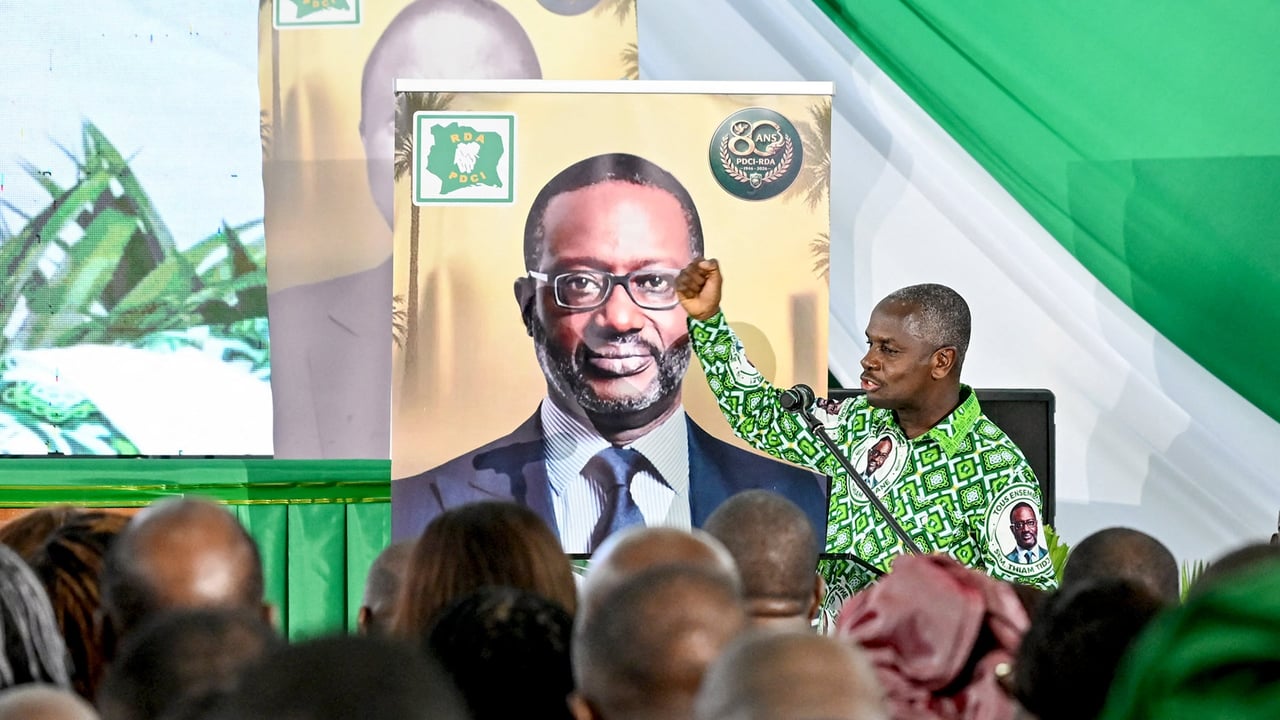
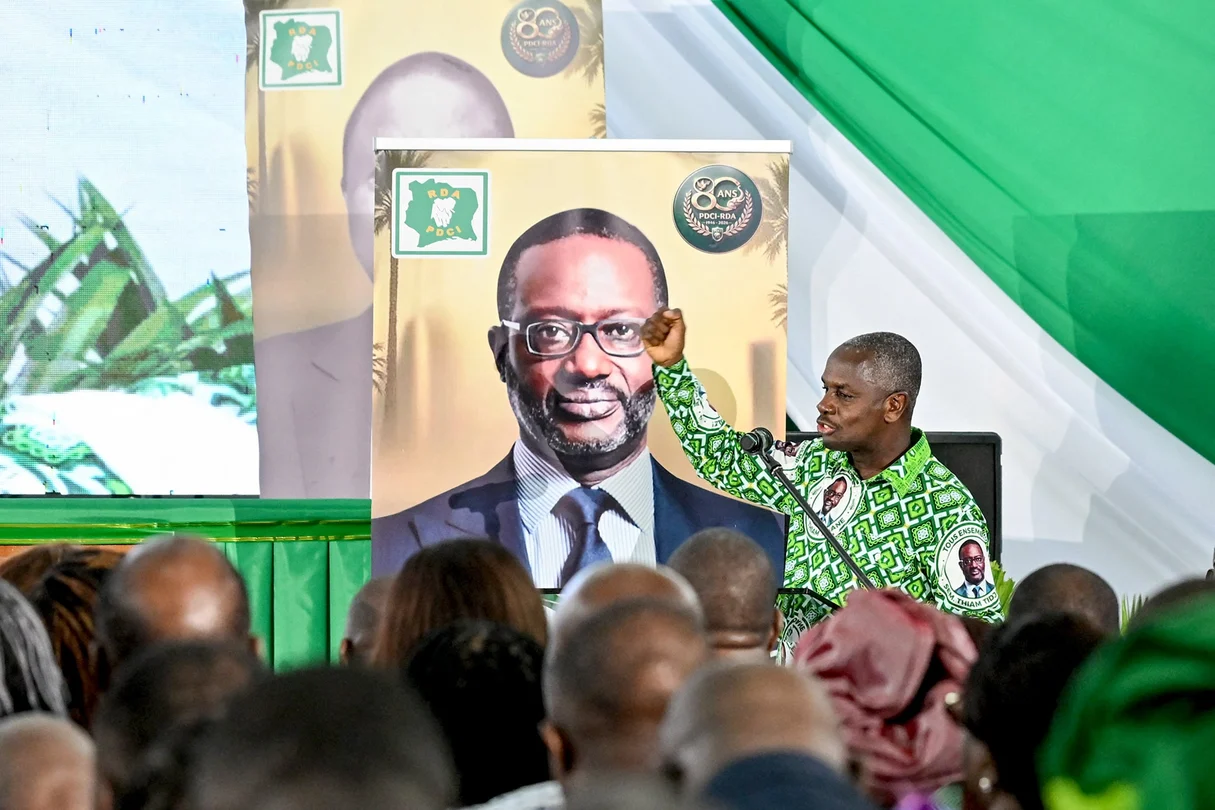
During the PDCI’s 80th-anniversary celebrations in April 2026, Yapo Yapo delivered a speech that underscored the party’s resolve to defend its identity and principles against external pressures. His remarks reflected growing concerns among PDCI loyalists about the encroachment of RHDP’s agenda on the party’s traditional values.
Leadership under scrutiny
Tidjane Thiam, the prominent leader of the PDCI, has found himself in the crosshairs of both internal dissent and external pressures. Criticism from within the party questions his ability to navigate the current crisis while maintaining the PDCI’s autonomy. Some dissenting voices argue that Thiam’s leadership has inadvertently weakened the party’s position in negotiations with the RHDP, leaving it vulnerable to strategic compromises.
Meanwhile, Thiam has emphasized the importance of dialogue and unity, urging party members to remain focused on collective goals. However, the persistent divisions suggest that the challenges facing the PDCI are far from resolved, with some members openly questioning whether the party can reclaim its former strength and influence.
Broader implications for Côte d’Ivoire’s politics
The current tensions between the PDCI and RHDP are not isolated; they reflect deeper shifts in Côte d’Ivoire’s political dynamics. The RHDP, which has long been a dominant force in Ivorian politics, continues to expand its reach, often at the expense of opposition parties like the PDCI. This evolving power struggle raises questions about the future of multiparty democracy in the country.
As the PDCI grapples with internal strife, its ability to present a unified front will be critical in determining its role in shaping Côte d’Ivoire’s political future. The outcome of this crisis could redefine the balance of power among the country’s major political forces, with far-reaching consequences for governance and stability.