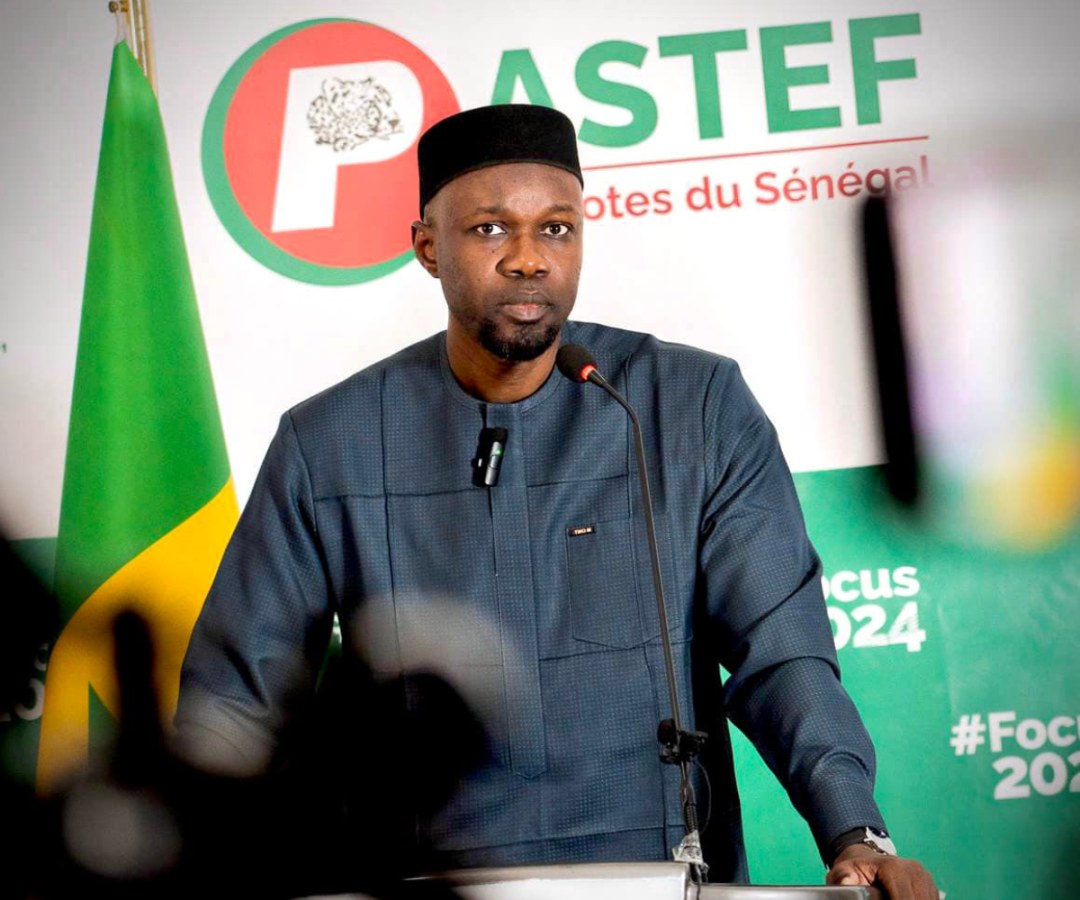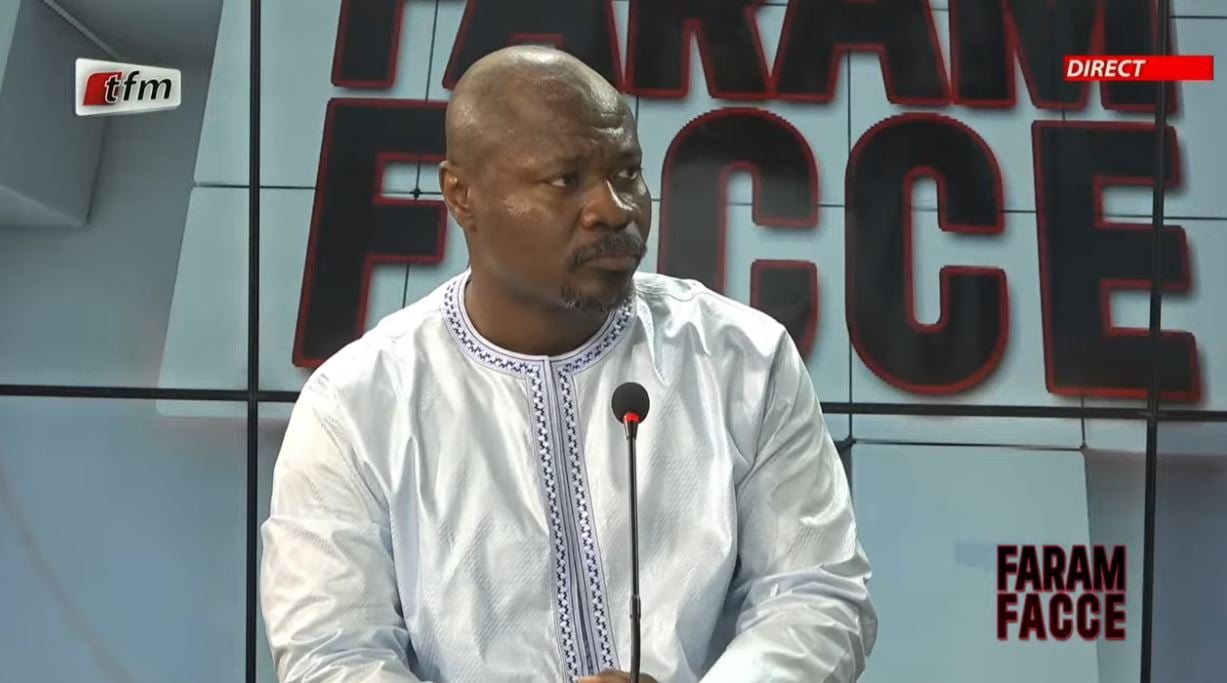
Deputy Guy Marius Sagna has voiced strong reservations regarding the format of President Bassirou Diomaye Faye’s proposed National Dialogue in Sénégal. He challenges its legal framework and perceived outdated objectives, warning that without fundamental transformation and the integration of local mechanisms, the initiative risks serving narrow political interests rather than addressing genuine citizen concerns.
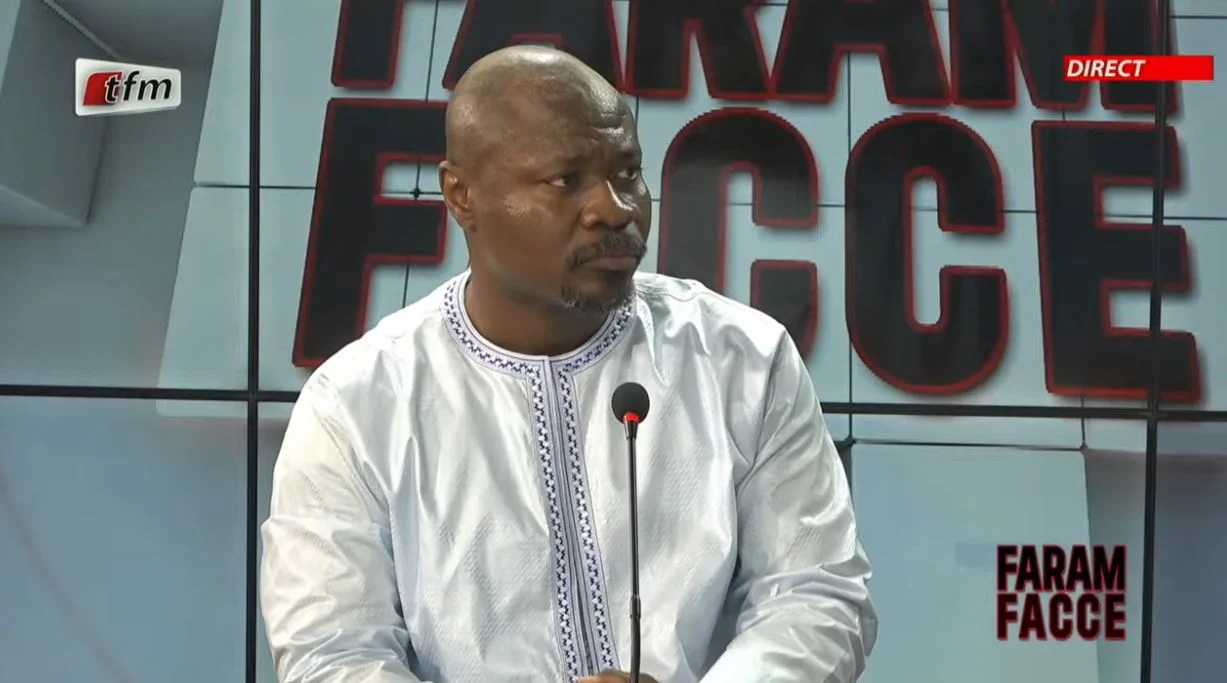
Parliamentarian Guy Marius Sagna has openly criticized the structure of the National Dialogue announced by the authorities, questioning its ultimate goals, legal basis, and overall relevance amidst Sénégal’s current political transition.
In a widely circulated statement, the lawmaker asserted that a “revolution cannot be steered using colonial or neo-colonial instruments,” referring to the institutional framework governing the political dialogue. He argues that the existing process is ill-equipped to facilitate genuine structural transformation for the nation.
scrutinizing the 2016 decree
Sagna specifically targets the continued reliance on the 2016 decree that outlines the organization of the National Dialogue, deeming it antiquated. He believes this framework should be abolished to empower local consultation mechanisms, particularly within territorial collectivities, municipal councils, and the National Assembly, fostering broader citizen engagement.
Furthermore, the deputy expressed doubt about the dialogue’s true purpose, suggesting it might be a “political operation” detached from the populace’s best interests. He criticized the notion of a process that could potentially serve to either exclude or include specific political figures in future electoral contests.
In his communication, the PASTEF parliamentarian contended that maintaining the current legal framework could undermine the transformative commitments championed by the present administration. He advocates for a comprehensive overhaul of dialogue mechanisms, aiming to align them more closely with principles of national sovereignty and direct citizen participation.
These remarks emerge against a backdrop of ongoing political discussions surrounding the National Dialogue’s organization and implementation modalities in Sénégal.