In a move that has redefined political dynamics in Côte d’Ivoire, former President Laurent Gbagbo has announced his withdrawal from active leadership within the PPA-CI, yet retains decisive influence over his party’s future direction.
An unexpected shift in leadership
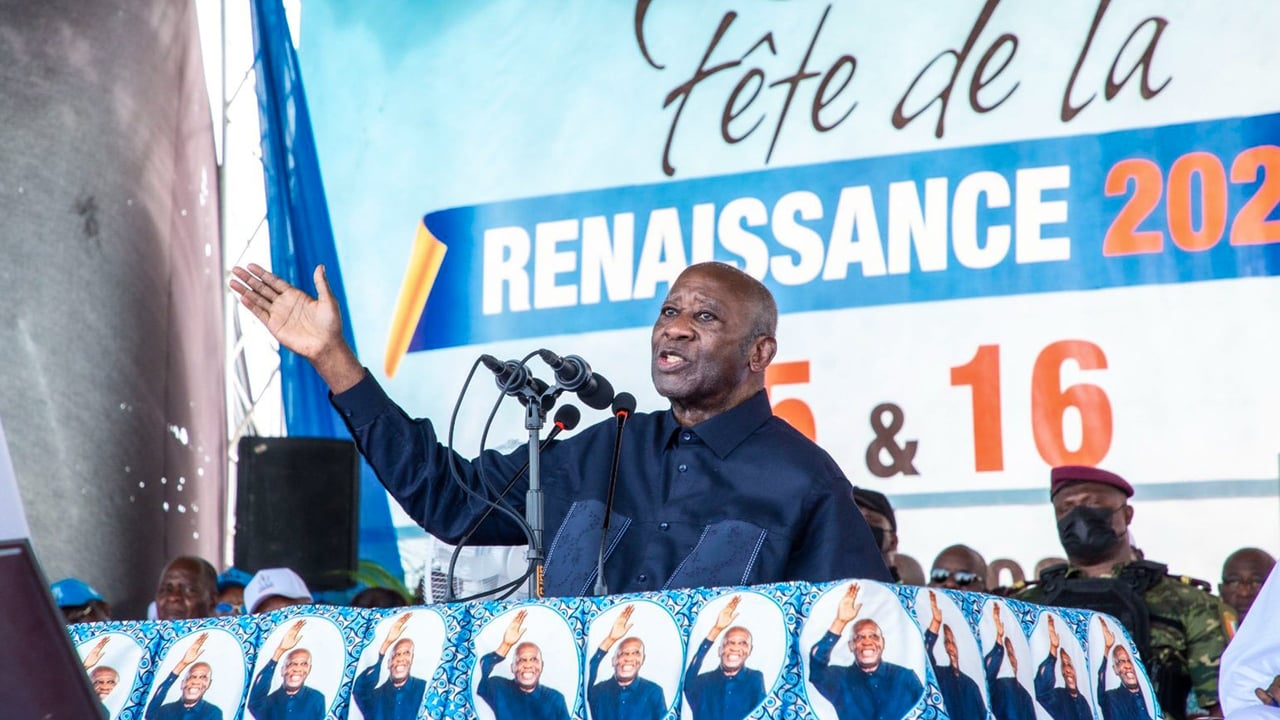
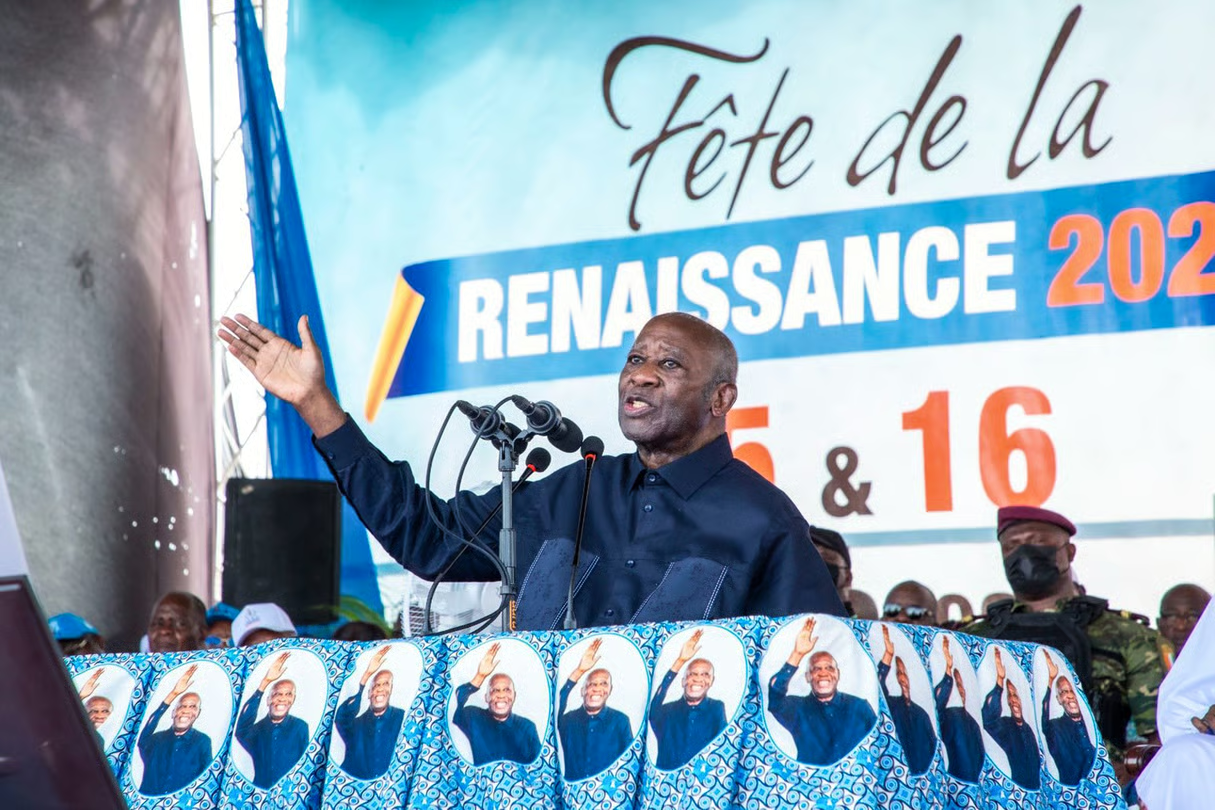
During a landmark address at the Renaissance celebration in Songon, Laurent Gbagbo declared his formal exit from daily operations within the Patriotic Front of Côte d’Ivoire (PPA-CI). However, this withdrawal does not signal a complete departure from the political scene. Instead, it marks a carefully orchestrated transition, with Gbagbo positioning himself to guide the party’s future choices from behind the scenes.
This strategic maneuver allows him to maintain control over key decisions while delegating executive responsibilities to emerging leaders within the PPA-CI. The move underscores a calculated approach to succession planning, ensuring his political legacy remains intact despite stepping back from the spotlight.
Implications for Côte d’Ivoire’s political future
The announcement has sparked intense debate about the future of the PPA-CI and its role in Ivorian politics. Observers suggest that Gbagbo’s influence remains strong, as he continues to shape party strategies and alliances. His decision to step aside could either pave the way for new leadership or consolidate his grip on the party’s direction.
Political analysts highlight several potential outcomes:
- Strengthened party unity: By stepping back, Gbagbo may reduce internal divisions, allowing younger members to take on more prominent roles while maintaining party cohesion.
- Strategic alliances: The move could position the PPA-CI favorably for upcoming elections, as Gbagbo remains a key figure in coalition-building efforts.
- Generational transition: The shift may accelerate the rise of new leaders within the party, ensuring its relevance in Côte d’Ivoire’s evolving political landscape.
A delicate balance between past and future
Gbagbo’s withdrawal presents a paradox: he steps away from active leadership while ensuring his vision endures. This delicate balance between honoring his legacy and embracing change will define the PPA-CI‘s trajectory in the coming years.
The party now faces the challenge of balancing respect for its historical leader with the necessity of adapting to modern political realities. Whether this transition will strengthen or weaken the PPA-CI remains to be seen, but one thing is certain: Laurent Gbagbo‘s shadow will continue to loom large over Ivorian politics.