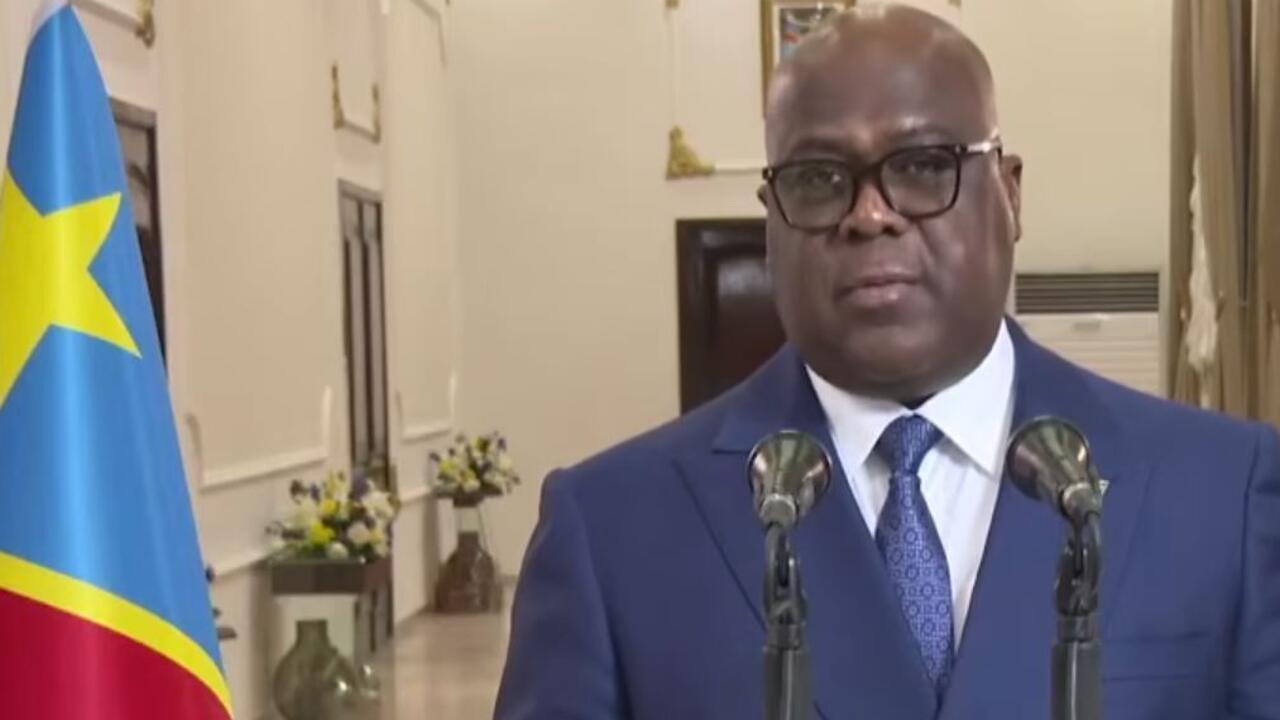
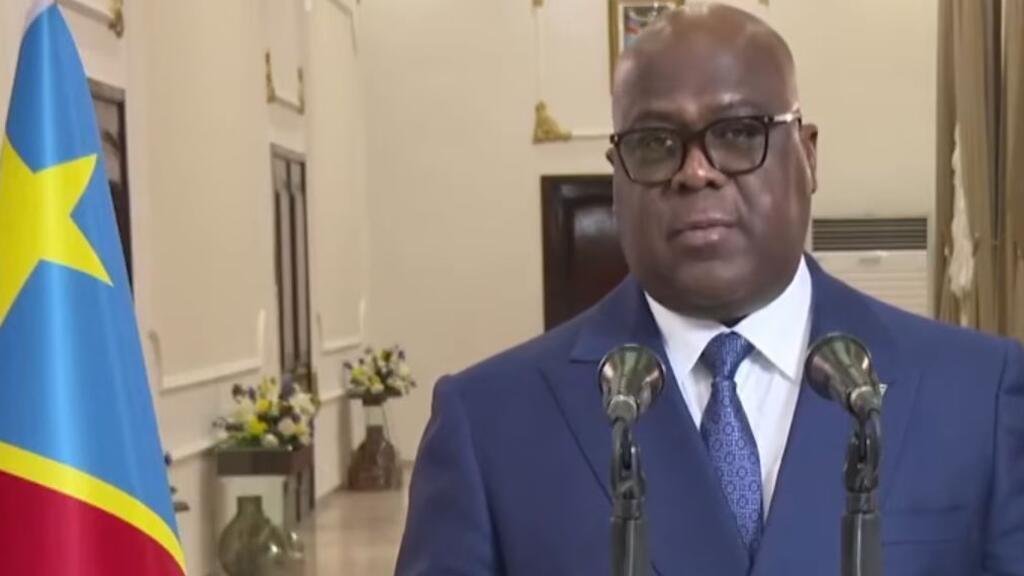
President Félix Tshisekedi recently unveiled the framework for a long-awaited national dialogue in the Democratic Republic of Congo. This initiative, consistently demanded by opposition factions for several months, aims to re-establish peace and fundamentally restructure the state. The comprehensive process is set to commence across the DRC’s 26 provinces before culminating in Kinshasa, with a projected duration not exceeding three months.
Participation in this crucial dialogue is envisioned to be broad and inclusive, encompassing representatives from the ruling majority, various opposition groups, civil society organizations, religious confessions, and diverse segments of the population. However, a significant stipulation dictates the exclusion of armed groups actively engaged in conflict, particularly those operating in the eastern regions of the DRC.
This exclusion raises pertinent questions about the potential efficacy of the dialogue. Observers are keenly analyzing whether a peace-building process can truly achieve its objectives without the direct involvement of key actors who are central to the ongoing conflict, particularly in the volatile eastern regions of the Democratic Republic of Congo. Furthermore, a critical examination is underway to determine what distinct elements might enable this particular national dialogue to succeed where numerous previous dialogues and consultations have regrettably fallen short, offering hope for a more stable future for the DRC.