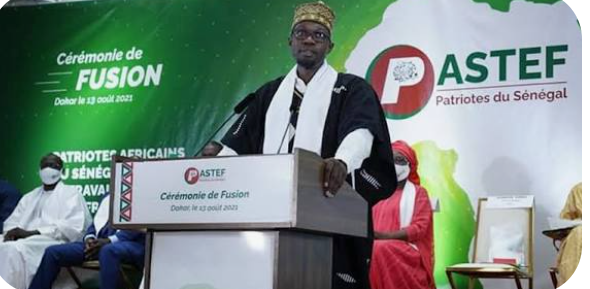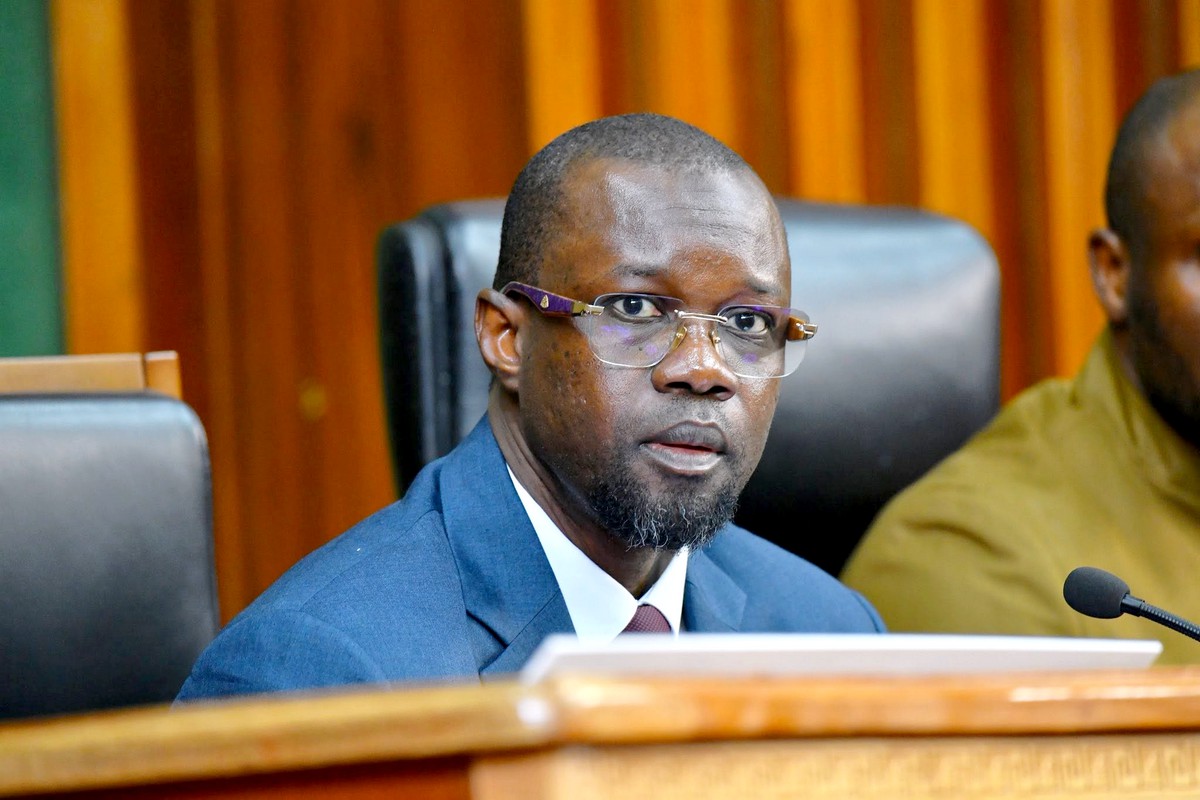
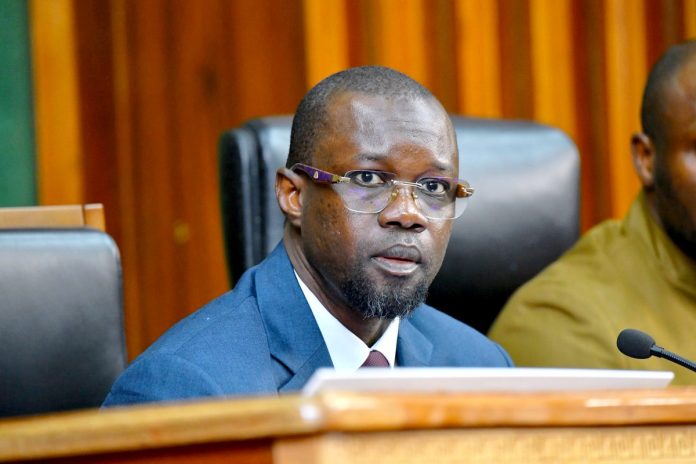
Ousmane Sonko, the former Prime Minister and current President of the National Assembly, has voiced strong opinions regarding the latest agreement between the International Monetary Fund (FMI) and the government of Senegal. Taking to his Facebook page, the head of the legislative body announced that a comprehensive debate would soon commence to scrutinize the full implications of this renewed cooperation.
Following the announcement of a new FMI accord with Senegal, which outlines a loan program exceeding 2 billion dollars (approximately 1,245 billion CFA francs) to support Dakar, Ousmane Sonko has re-emerged as a prominent critic. It was Sonko who previously brought to light a hidden debt that led to the suspension of the FMI program for Senegal back in 2024, and he is now once again challenging the government’s approach.
Ousmane Sonko stated, “We have observed the successive announcements from both the FMI and the Senegalese government concerning a technical agreement, which will only become definitive after its eventual approval by the Fund’s Executive Board.”
- What are Senegal’s commitments regarding its “debt treatment”?
- Which major reforms are envisioned (including public finance sustainability, protection for vulnerable households, domestic resource mobilization, expenditure rationalization, social safety nets, supervision of public enterprises, and the business environment)?
- What has become of the international debt audits that were previously mandated?
- Publish this memorandum to ensure accurate public information and to facilitate a healthy debate on Senegal’s commitments;
- Alternatively, transmit it to the National Assembly, as the representative body of the people.