Gabon’s FEG unveils new leadership for economic transformation
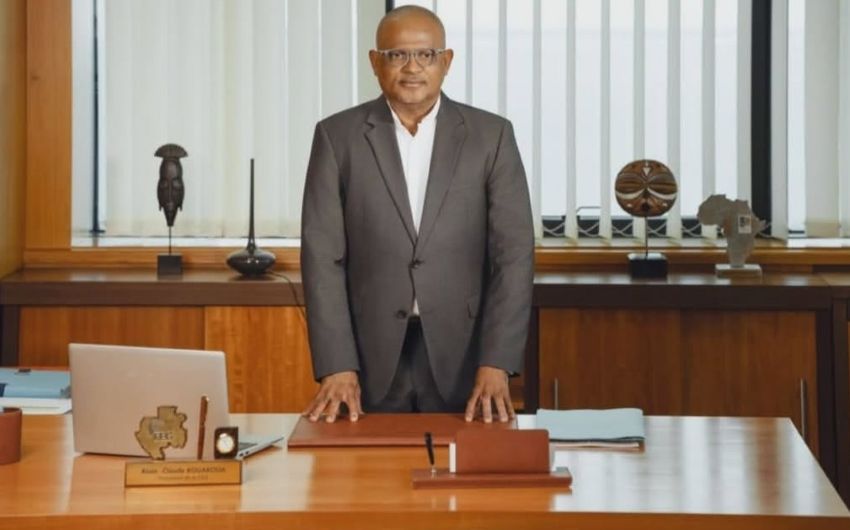
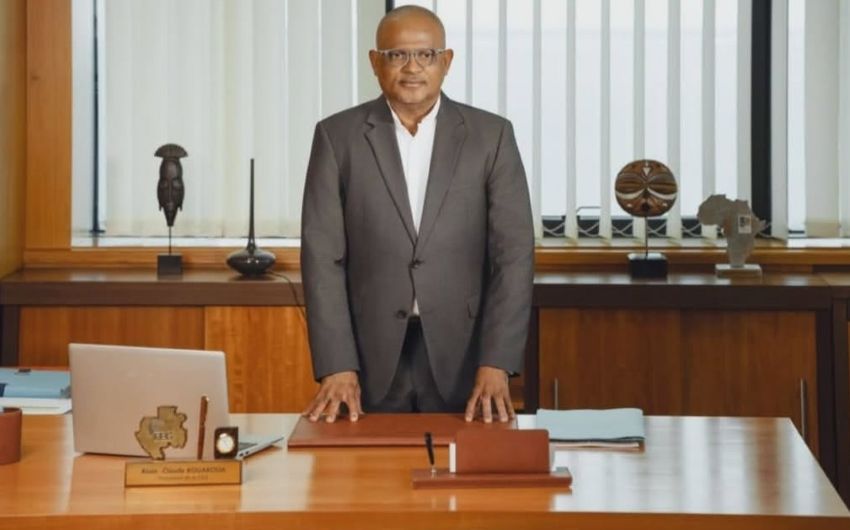
Libreville, Friday, July 10, 2026 – Gabon’s private sector leadership is entering a dynamic new phase. Weeks after his election, Alain-Claude Kouakoua officially inaugurated the executive bureau of the Fédération des entreprises du Gabon (FEG) in Libreville. This new team is set to guide the organization through its 2026-2029 mandate, signaling a fresh direction for the nation’s businesses.
Beyond this formal ceremony lies a profound ambition: to firmly establish the private sector as a primary engine for Gabon’s economic transformation. The move underscores a strategic shift towards leveraging entrepreneurial power for national development.
In an environment grappling with the imperative for diversification, enhanced competitiveness, and a more favorable business climate, the newly appointed leadership faces a critical mission. Their task is to elevate the employers’ federation from a mere representative of economic interests to a central player in the reforms designed to modernize the Gabonese economy. This proactive stance is vital for fostering sustainable growth.
The establishment of this new bureau comes at a pivotal moment, as African economies increasingly seek to empower private enterprise for job creation, innovation, and wealth generation. This push is particularly relevant given budgetary constraints that often limit the state’s capacity to solely fund the extensive investments required for development.
A leadership team built around key economic sectors
The revised governance structure of the Fédération des entreprises du Gabon is strategically designed, featuring two key strategic advisors, Charles Tchen and Seydou Kane. They are supported by thirteen vice-presidents, each representing crucial pillars of the national economy. This balanced representation reflects a deliberate effort to ensure all sectors vital for Gabon’s future growth are actively involved.
Areas such as employment, professional training, and international relations will be expertly managed by Jean-Baptiste Bikalou. Meanwhile, Dimitri Ndjébi assumes responsibility for issues concerning competitiveness, economic development, and financial inclusion. Extractive industries maintain a strong presence, with Léod Paul Batolo overseeing the mining sector, Christophe Blanc focusing on hydrocarbons, and Frédéric Ober leading the wood industry – all three remaining significant drivers of the Gabonese economy.
Dedicated representatives have also been appointed for industrial transformation, commerce, services, logistics, health, tourism, crafts, and the digital economy within this new governance framework. This comprehensive approach highlights the evolving nature of Gabon’s economic landscape and a clear commitment to nurturing sectors poised to fuel growth in the coming decades.
The challenge of economic dialogue
Alain-Claude Kouakoua has emphasized that this team was assembled based on criteria of competence, complementarity, and effectiveness, ensuring cohesive leadership for the federation’s priorities. The FEG president advocates for a collegial governance model, rooted in responsibility, solidarity, and continuous dialogue among all economic stakeholders.
Beyond advocating for businesses, the Federation intends to play an expanded role in consultations with public authorities. This collaboration aims to support reforms designed to enhance the overall business environment. The private sector holds significant expectations regarding taxation, administrative simplification, legal protection for investments, enterprise financing, and logistical competitiveness.
In a regional landscape characterized by heightened competition for international capital and investment, the quality of dialogue between public authorities and economic actors is becoming a decisive factor for growth. Gabon’s ability to foster this collaboration will be crucial.
A historic legacy facing future challenges
Gabon’s employers’ organization boasts one of the longest histories in the national economic sphere. Established in 1959 as the Union interprofessionnelle du Gabon, later becoming the Confédération patronale gabonaise, it adopted its current name, Fédération des entreprises du Gabon, in 2022. For over six decades, it has continuously adapted to the country’s economic evolution.
While its core mission remains steadfast—representing business interests, promoting investment, supporting job creation, and strengthening dialogue between the private sector and public authorities—the broader context has transformed dramatically.
The ongoing transition towards a more diversified, innovative economy, less reliant on raw materials, now demands that the employers’ federation assume a more active role in shaping economic policies and supporting structural reforms. The upcoming 2026-2029 mandate will serve as a crucial test of the Gabonese private sector’s capacity to become a strategic partner in the nation’s economic transformation.
Across Africa, where future growth increasingly hinges on entrepreneurial vitality, the Fédération des entreprises du Gabon is determined to demonstrate that an employers’ federation can be far more than just a representative body. It can indeed become a vital force for modernization, innovation, and economic sovereignty.