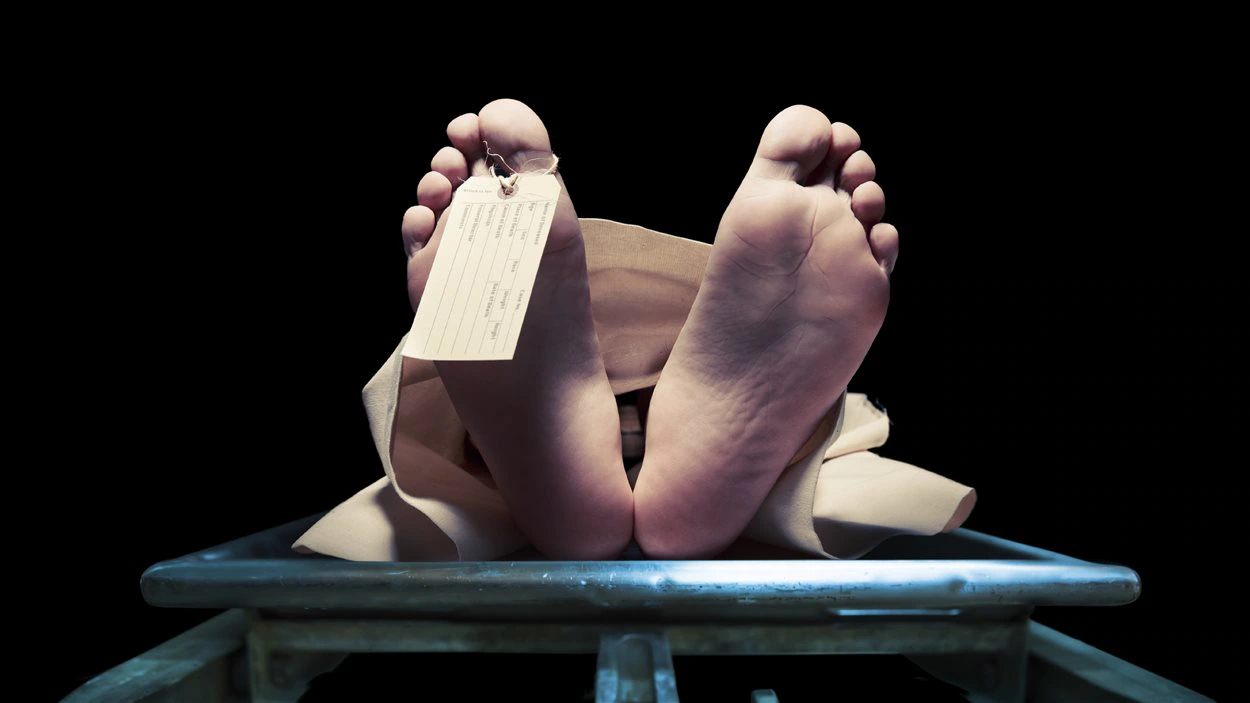
Healthcare facilities situated in Cameroon’s major cities are regularly overwhelmed by dozens of deceased individuals whose remains are never claimed by their families. This persistent issue complicates the management of storage capacity and preservation efforts, creating numerous associated risks.
Deceased persons can remain in hospital cold storage units for extended periods without any family members coming forward to claim them. In urban centers like Douala, Yaoundé, and Bafoussam, the frequency of this situation presents a significant challenge. On July 7, the management of Yaoundé General Hospital issued a public statement, highlighting the presence of 80 unclaimed bodies in its morgue. While some of these individuals have been identified, many others remain anonymous.
LA SUITE APRÈS LA PUBLICITÉ
These bodies originate from various neighborhoods across the city and were brought to the morgue primarily by gendarmerie brigades, hospital stretcher-bearers, municipal services, and police stations. The hospital director is appealing to families to visit the morgue to identify individuals whose names appear on the provided list. Should the bodies remain unclaimed, they will be transferred to the Yaoundé Urban Community for burial.
This situation is not unique to Yaoundé Central Hospital. In Bafoussam, located in the West region, authorities proceeded with the burial of 42 unclaimed bodies in a mass grave on April 16, 2025. This action followed a final communication from the Bafoussam Regional Hospital, which had granted families a 10-day window to identify and retrieve 28 bodies, some of which had been stored in the morgue for approximately seven years.
At the time, the hospital director, Dr. Jean-Marie Ndjip, explained that his facility’s morgue operates under specific capacity limits. Frequent power outages exacerbated the problem, leading to unbearable odors and rendering the service impractical. He stressed the necessity of clearing space within the hospital. The director’s explanation thus sheds light on the grave consequences stemming from the abandonment of bodies in morgues.
The accumulation of these remains significantly reduces available storage space, drives up electricity consumption, and exposes living individuals to potential health risks. This phenomenon, attributed both to the precarious financial situations of some families and the irresponsibility of others, also imposes substantial financial burdens on healthcare institutions. While bodies require continuous preservation and maintenance, the associated costs often go unsettled, creating further strain on these vital services.