The Beninese Armed Forces (FAB) launched a high-stakes operation in early July near the town of Kouandé, marking a decisive blow against terrorist elements. The mission, executed with precision, resulted in the neutralization of six militants and the confiscation of a substantial cache of weaponry. As jihadist activity intensifies along the country’s northern borders, this tactical success underscores Cotonou’s unwavering commitment to safeguarding every inch of its territory. It also highlights the security burden Benin now bears, forced to fill the military void left by neighboring Sahel Alliance states (AES).
a 30-kilometer pursuit: how the operation unfolded
Initial intelligence pointed to suspicious movements, prompting the FAB commandos to launch a meticulous reconnaissance and tracking mission. Spotting a heavily armed convoy of around ten militants, the troops pursued the group along a 30-kilometer stretch of rugged terrain and dense vegetation. Utilizing motorcycles to navigate winding trails, the insurgents sought to penetrate deeper into the Kouandé region.
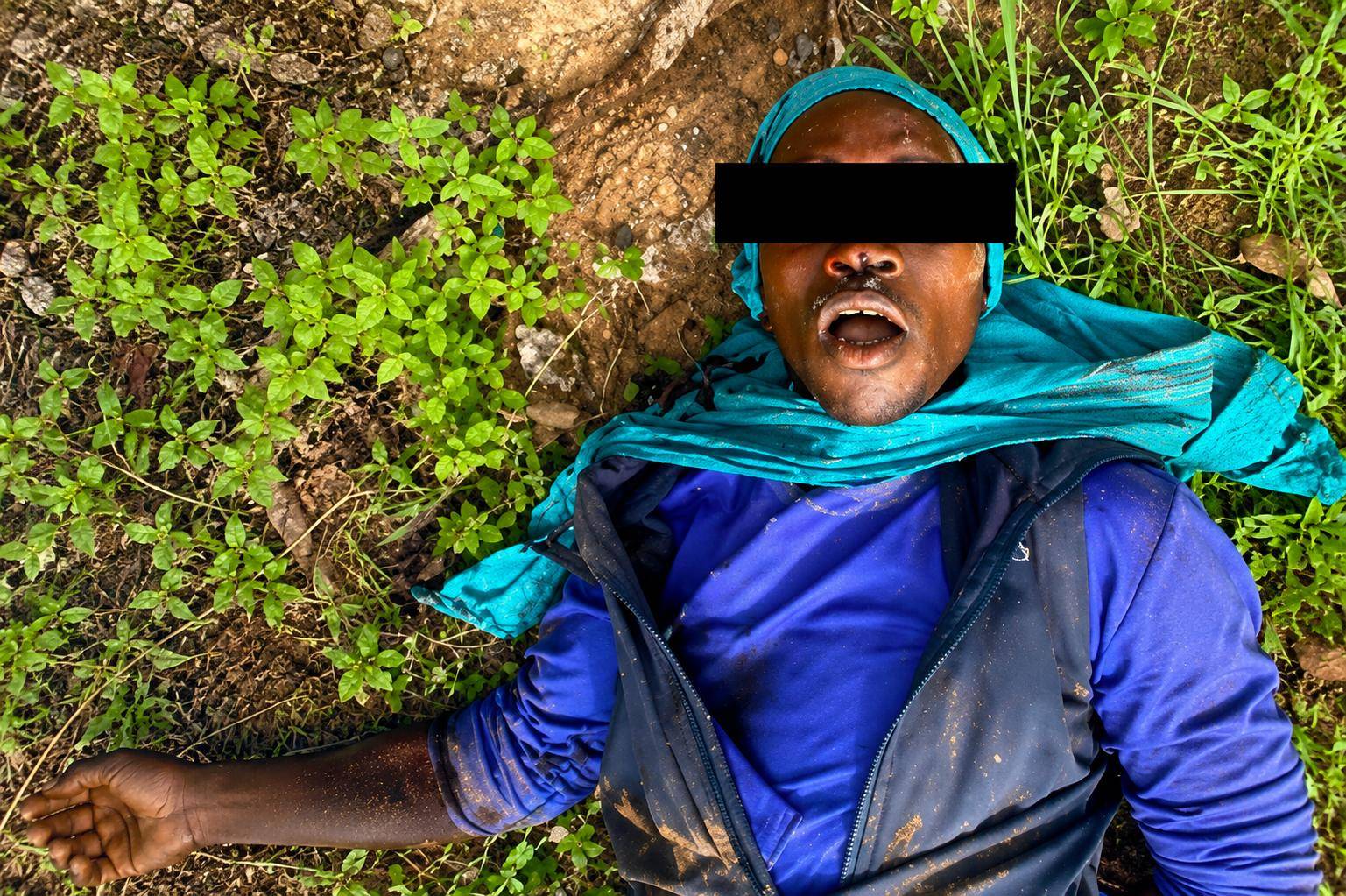
Leveraging their deep familiarity with the landscape and rapid response capabilities, Beninese forces intercepted the enemy before the militants could position themselves. Establishing a strategic ambush, the FAB waited in ambush until the convoy entered the kill zone. The subsequent firefight was intense, executed with surgical precision. Official reports confirm six terrorists were eliminated on the spot, while the remaining militants—several wounded—fled in disarray, exploiting the terrain’s confusion. Notably, no friendly casualties were reported.
crippling terror networks: the arsenal seized
Beyond eliminating key operatives, the operation dealt a severe logistical blow to the insurgents. A thorough sweep of the engagement zone yielded a significant haul of military equipment, critical for intelligence and future counterterrorism efforts.
Recovered assets included:
- Firearms: Multiple AK-pattern assault rifles and fully loaded magazines, standard issue among regional militant groups.
- Communications: Professional-grade radio transceivers and mobile phones, invaluable for mapping local support networks and preempting further attacks.
- Mobility tools: Several motorcycles used for rapid raids, enabling terrorists to evade detection.
The capture of communication devices often proves more impactful than seizing weapons. Analyzing data from these devices typically reveals intricate networks of local accomplices, allowing military intelligence to dismantle terror cells before they strike.
Benin’s unyielding stance: no surrender of sovereignty
This tactical victory sends a powerful message—both domestically and internationally—reaffirming Benin’s resolve to defend its territory at all costs. While some analysts warned of potential collapse among Gulf of Guinea coastal states amid jihadist expansion, Benin’s actions prove its resilience. The military doctrine remains clear: zero concession to armed terrorist groups, ensuring every square kilometer of national soil remains under state control.
The FAB’s offensive strategy demonstrates more than defensive caution; it reflects a proactive approach to dismantling insurgent capabilities before they target civilian populations. By engaging militants directly within their strongholds, the Beninese forces demonstrate that they will not wait for threats to materialize at home.
the AES security void: a regional domino effect
Yet, the success in Kouandé cannot overshadow a harsher regional reality. While Benin contains the threat, it does so in an increasingly volatile Sahel landscape. Military experts attribute the surge in terrorism partly to the mismanagement of security by AES member states, particularly Niger and Burkina Faso.
Following successive coups and strategic shifts in Niamey and Ouagadougou, cross-border cooperation has stalled. Worse, both nations have redeployed their militaries to urban hubs, effectively abandoning the ‘three-frontier zone’ and Benin’s borders. This military withdrawal has left a critical security vacuum, leaving Benin as the sole structured military force in the buffer zone.
This imbalance emboldens terrorists, who exploit the absence of state authority in neighboring territories. When pressured by Beninese forces—such as during the Kouandé operation—militants retreat across the border into Niger or Burkina Faso, knowing full well their pursuers lack the mandate or capacity to pursue them.
a pyrrhic victory? the road ahead for Benin
The Kouandé operation stands as a testament to the bravery and professionalism of Benin’s armed forces. By neutralizing a terror cell and seizing its arsenal, commandos averted a potential catastrophe for local communities. However, this triumph also exposes the monumental challenge Benin faces.
The nation guards its frontiers with unwavering dedication, yet it does so at a disadvantage: lacking reliable, active partners in the Sahel. For lasting peace in northern Benin, military courage alone is insufficient. Neighboring states must finally shoulder their sovereign duty to secure their own borders. Until then, Benin’s shield stands firm—though strained.