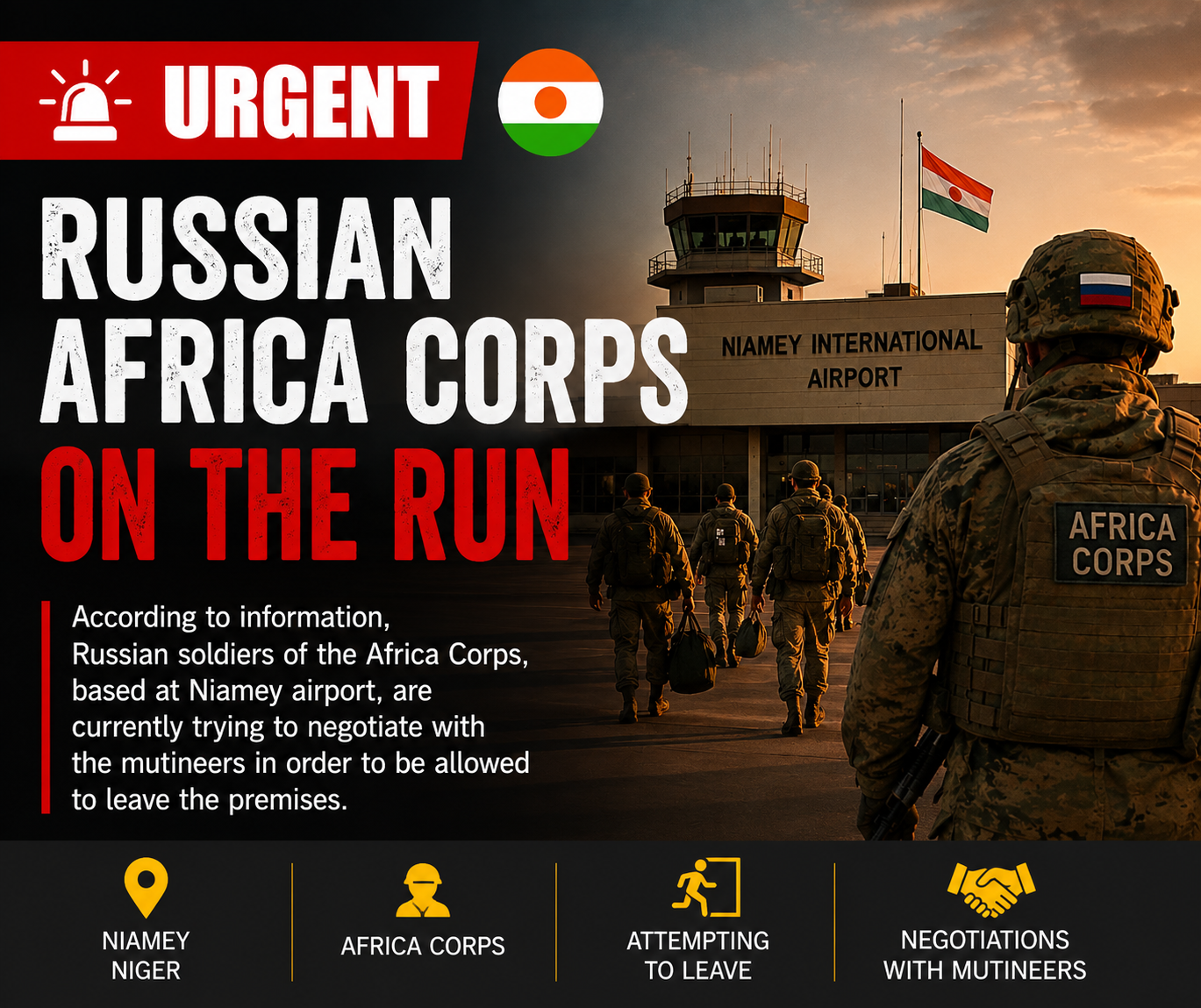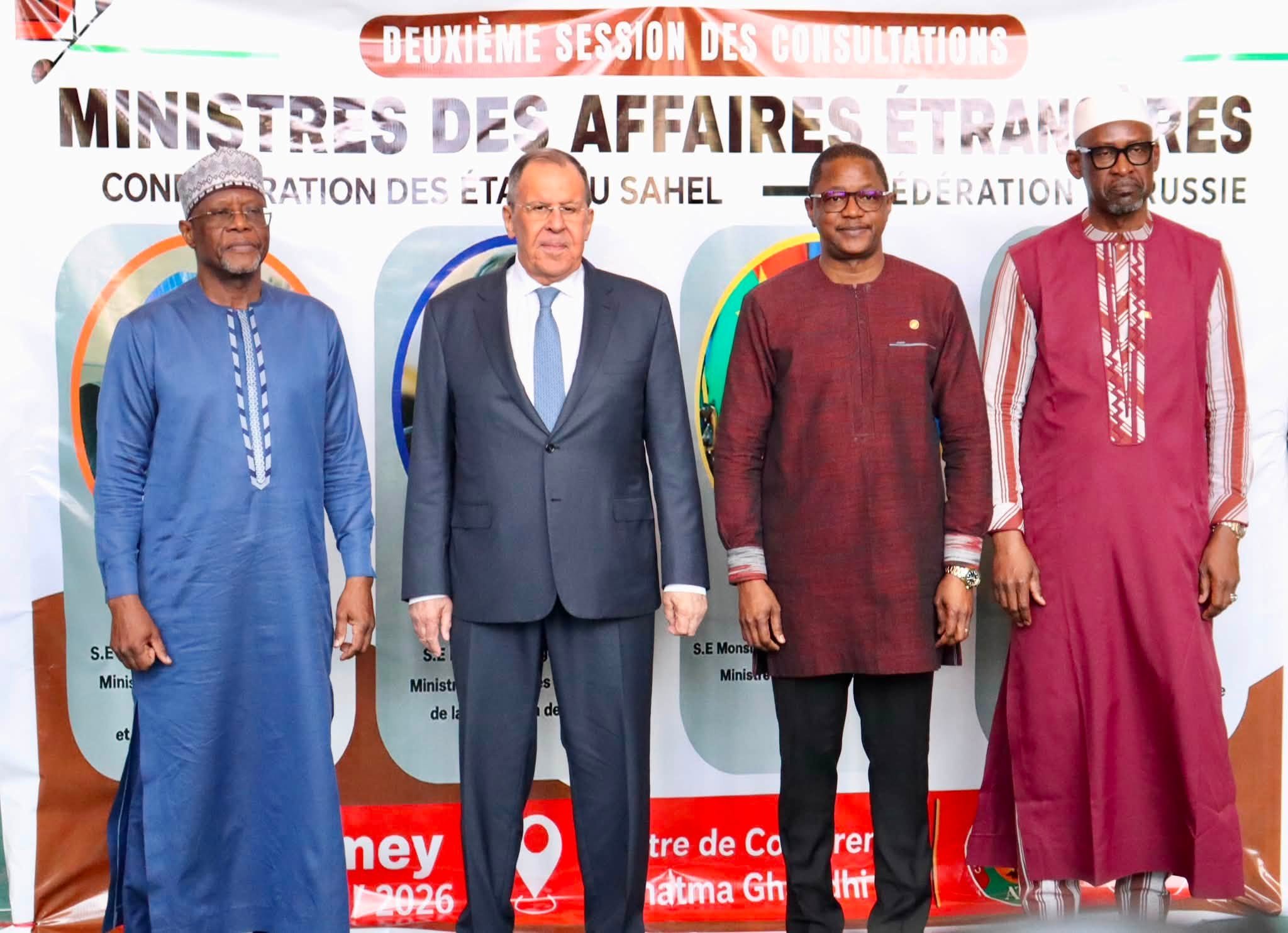
The governments of Mali, Burkina Faso and Niger have reaffirmed their commitment to deepen military ties with Russia through the Alliance of Sahel States (AES). While officials frame this exclusive partnership as a symbol of regained sovereignty and a break from former Western allies, a stark reality persists: violence continues to escalate, and civilian communities are bearing the heaviest burden.
Security promises fall short of expectations
The central argument justifying this strategic pivot was clear: severing ties with Western partners would accelerate progress in combating armed groups. Yet years into this new approach, the results remain mixed. Despite receiving advanced weaponry, reconnaissance drones, and logistical support from Moscow, the three nations still face relentless militant attacks. Military outposts are frequently targeted, villages remain under constant threat, and thousands of civilians have been displaced.
Analysis of conflict data for 2025 indicates over 10,000 fatalities in political violence across Burkina Faso, Mali, and Niger, confirming the Sahel as one of the world’s most intense conflict zones.
A humanitarian crisis deepening by the day
The human cost extends far beyond battlefield casualties. The crisis has evolved into a full-scale humanitarian emergency.
According to United Nations estimates, more than five million people have been forcibly displaced across the Sahel, driven from their homes by persistent insecurity. Thousands of schools remain shuttered, depriving an entire generation of education, while access to medical care in high-risk areas grows increasingly scarce.
Each fresh assault triggers another wave of displaced families, abandoned villages, and paralyzed economies, pushing communities deeper into vulnerability.
The mounting financial burden of conflict
War exacts a severe financial toll on these nations. Military budgets are swelling, arms purchases are accelerating, and security spending now consumes a disproportionate share of public funds.
Meanwhile, critical sectors such as health, education, agriculture, and infrastructure face chronic underfunding. The longer the conflict drags on, the more governments must choose between financing military operations and investing in long-term solutions that could address the root causes of insecurity.
The paradox of growing dependence
This exclusive alliance carries another unintended consequence: it entrenches strategic dependence. As violence intensifies and security conditions fail to improve, leaders increasingly turn to their external partner—demanding more equipment, more training, and more support.
Rather than reducing reliance on foreign powers, each deterioration in the security environment reinforces the perceived indispensability of Russia’s military role. The question arises: Can a strategy that perpetuates external assistance truly be seen as a path to sovereignty?
Moscow’s strategic gains in the Sahel
Amid the ongoing turmoil, Russia is consolidating its geopolitical footprint in Africa. Every new military agreement strengthens its diplomatic leverage. Every shipment of arms reinforces its strategic presence. Every security pact expands a network of alliances across a region rich in natural resources—most notably gold and uranium.
Beyond military gains, Moscow is also expanding its influence in political, economic, and informational spheres, positioning the Sahel as a cornerstone of its broader African strategy.
Policy failure or strategic shift?
The juntas’ stated goal was to restore security swiftly. Yet years after aligning exclusively with Moscow, humanitarian indicators remain dire, attacks continue unabated, and civilians live under constant threat from armed groups.
This does not imply that the partnership with Russia alone is to blame for the deteriorating security situation. The Sahel conflict is long-standing, deeply complex, and driven by a web of political, economic, communal, and regional factors.
Nonetheless, a critical question lingers: If this alliance was advertised as the decisive solution to terrorism, why do civilians continue to suffer such staggering losses and mass displacement?
As violence persists, one truth becomes undeniable: it is the Sahelian people—farmers, teachers, parents, children—who are paying the highest price. As families bury their dead, villages empty, and millions are forced to flee, Russia’s strategic influence in the region grows stronger. The irony is stark: the longer the conflict festers, the more indispensable Moscow’s role appears to fragile military regimes—even as concrete security benefits for local populations remain elusive.