Gabon tightens control over sacred iboga plant
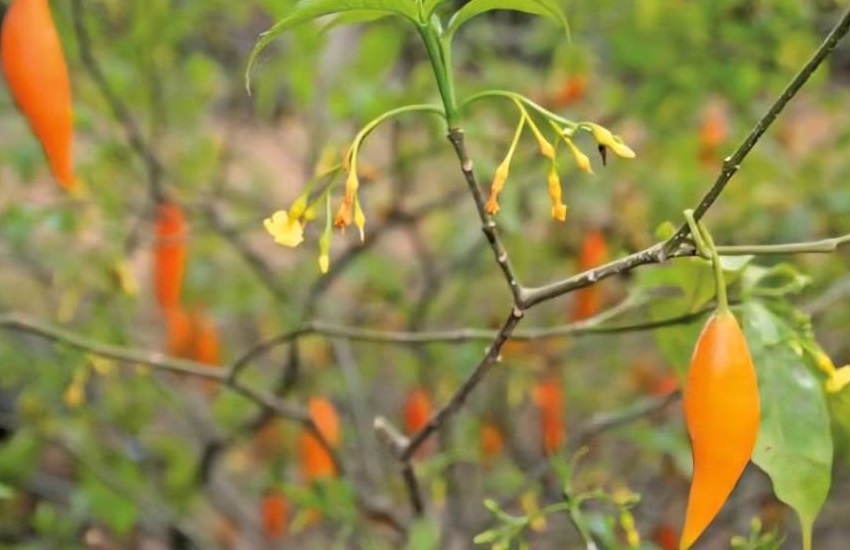
Libreville, June 10, 2026 — Gabon is taking a bold step to safeguard its sacred iboga plant, shifting from spiritual tradition to strategic national resource.
For centuries, iboga has been a cornerstone of Bwiti spiritual practices, revered by initiates and healers across the country. Now, the Gabonese government has implemented a landmark decree that places all iboga-related activities under state supervision, requiring prior authorization from authorities before any exploitation or research can proceed.
The new regulation, decree n°0239/PR/MJSRCAVA, signed on May 22, 2026, marks a major shift in how Gabon manages its biological and cultural heritage. While the move aims to protect the plant from unchecked exploitation, it also raises critical questions about balancing tradition with modern governance.
From spiritual tradition to global demand
The decision comes as iboga gains international attention for its potential therapeutic uses, particularly the alkaloid ibogaine, which is being studied for addiction treatment and mental health disorders. Research labs in the United States, Europe, and Asia are increasingly exploring the plant’s medicinal properties, driving up global demand.
Gabon’s move to regulate iboga reflects a broader trend among African nations seeking to protect their genetic resources and traditional knowledge from biopiracy. However, the challenge lies in enforcement. Iboga is not just a plant—it is deeply embedded in Gabonese spiritual and cultural practices, with countless healers and religious leaders using it in rituals that often operate outside formal administrative systems.
Protecting a sacred heritage
The new authorization system applies to all activities involving iboga, including cultivation, research, processing, and commercialization. All requests must be approved by the Ministry of Culture, following input from a cross-ministerial technical commission. This includes both local practitioners and foreign operators, ensuring that no exploitation occurs without oversight.
Yet, the practical realities of enforcement remain a concern. In rural areas where traditional practices thrive, government presence is limited. Authorities must navigate a delicate balance—too much regulation could alienate the very communities that have preserved iboga for generations, while too little could leave the plant vulnerable to exploitation.
A strategic move for Gabon’s future
Beyond immediate enforcement challenges, Gabon’s decision signals a broader economic and cultural strategy. The country aims to move beyond being a mere supplier of raw materials, seeking instead to control access to its strategic resources and maximize value through local transformation and innovation.
This approach aligns with Gabon’s recent efforts to strengthen its control over other national assets, from timber and minerals to biodiversity. By regulating iboga, Libreville is asserting its sovereignty over a plant that holds immense cultural and economic significance.
The success of this initiative will depend on careful implementation. If executed well, it could set a precedent for how African nations protect their heritage while engaging with the global market. If poorly managed, however, it risks marginalizing the very communities that have safeguarded iboga for centuries.
One thing is clear: iboga is no longer just a sacred plant. It has become a symbol of Gabon’s determination to reclaim control over its cultural and economic future.
You may also like
Senegal: how Sonko’s playful jab at Sadio Mané over 2029 is reshaping the political conversation
Senegal’s shadow funds: How unchecked spending drains public trust and budgets
Bénin: le Sénat tient sa séance inaugurale sous la conduite de Patrice Talon
Gabon : la participation citoyenne au cœur de la Ve République
Is Chad truly experiencing a political easing of tensions?