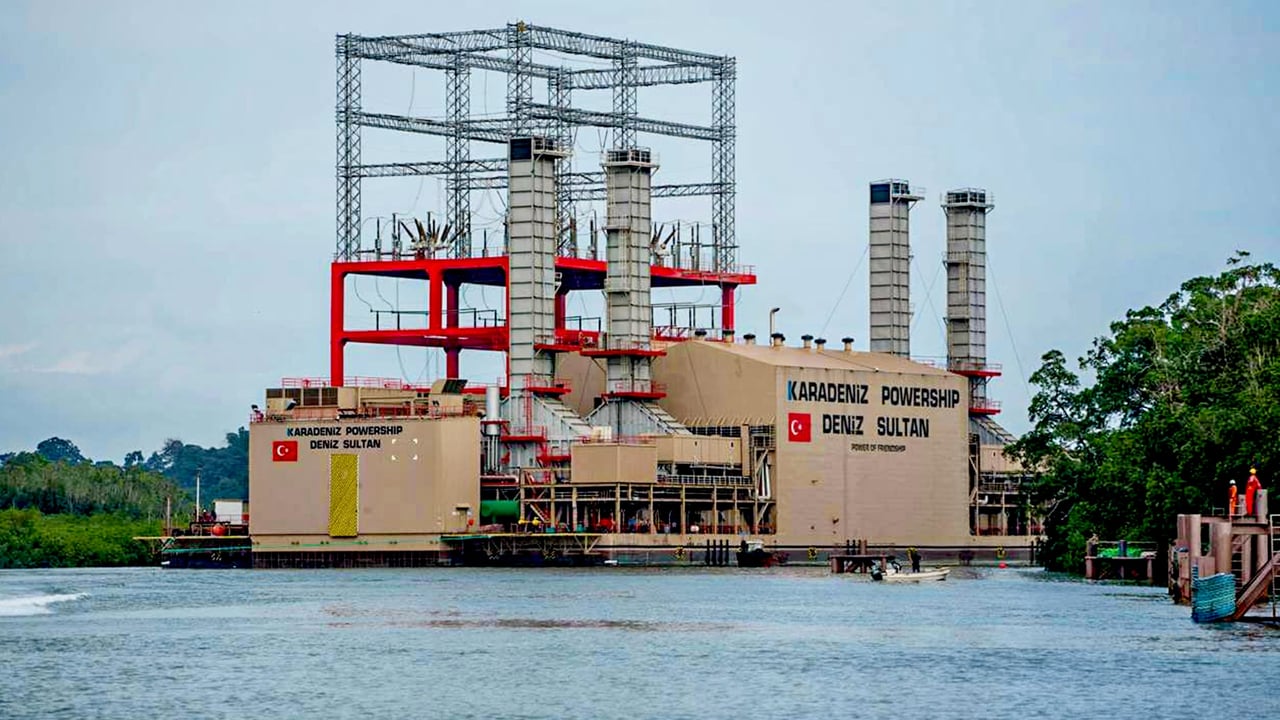
Gabon is making decisive strides toward reducing its reliance on Karpowership, the Turkish energy giant that has dominated the country’s power supply in recent years. The move reflects a broader push for energy sovereignty, as Libreville seeks to diversify its energy mix and regain control over its electricity infrastructure.
At the heart of this transition is a strategic reassessment of Gabon’s energy contracts, particularly those tied to floating power stations operated by Karpowership. These vessels, which have provided emergency and supplemental power since 2021, have been a critical but controversial component of the national grid. Critics argue that the high costs and limited local benefits associated with these agreements have hindered long-term energy development.
Challenges and strategic shifts in Gabon’s energy sector
The government’s efforts to phase out Karpowership’s operations have not been without obstacles. Technical, financial, and regulatory hurdles have slowed progress, but officials emphasize that the goal remains firmly in sight. A key priority is to fast-track the expansion of domestic energy production, including hydroelectric and solar projects, to fill the potential gap left by reduced reliance on floating power plants.
In parallel, Gabon is renegotiating terms with international partners to secure more favorable and sustainable energy partnerships. These discussions aim to balance cost efficiency with national development objectives, ensuring that future agreements align with the country’s economic and environmental goals.
Transitioning toward sustainable energy solutions
The push for energy independence is part of a wider national agenda to modernize infrastructure and reduce dependency on foreign energy providers. By investing in renewable energy sources, Gabon hopes to stabilize its power supply, lower electricity costs for consumers, and create jobs in the green energy sector. This transition is particularly timely as global energy markets remain volatile and unpredictable.
Industry analysts highlight the importance of this shift, noting that while Karpowership has played a temporary role in addressing energy shortages, Gabon’s long-term energy security depends on sustainable, homegrown solutions. The government is actively exploring partnerships with European firms like EDF, which bring expertise in large-scale renewable energy projects, including hydroelectric and solar initiatives.
The Société d’Énergie et d’Eau du Gabon (SEEG), the national utility company, is playing a central role in implementing these changes. SEEG is working to integrate new power sources into the national grid while ensuring stability and reliability for households and businesses across the country.
Balancing cost, reliability, and national interests
One of the most pressing questions surrounding Gabon’s energy transition is how to maintain an uninterrupted power supply during the shift away from Karpowership. The government has acknowledged the need for a gradual phase-out to avoid disruptions, but the timeline remains a subject of debate among policymakers and energy experts.
While the immediate financial burden of exiting these contracts is significant, officials argue that the long-term benefits—such as reduced energy costs, improved infrastructure, and greater economic resilience—will far outweigh the short-term challenges. The transition also aligns with Gabon’s commitment to reducing carbon emissions and promoting cleaner energy sources.
As Gabon navigates this complex energy landscape, the success of its strategy will depend on careful planning, strong partnerships, and a steadfast commitment to national development. The outcome could serve as a model for other African nations seeking to regain control over their energy futures.