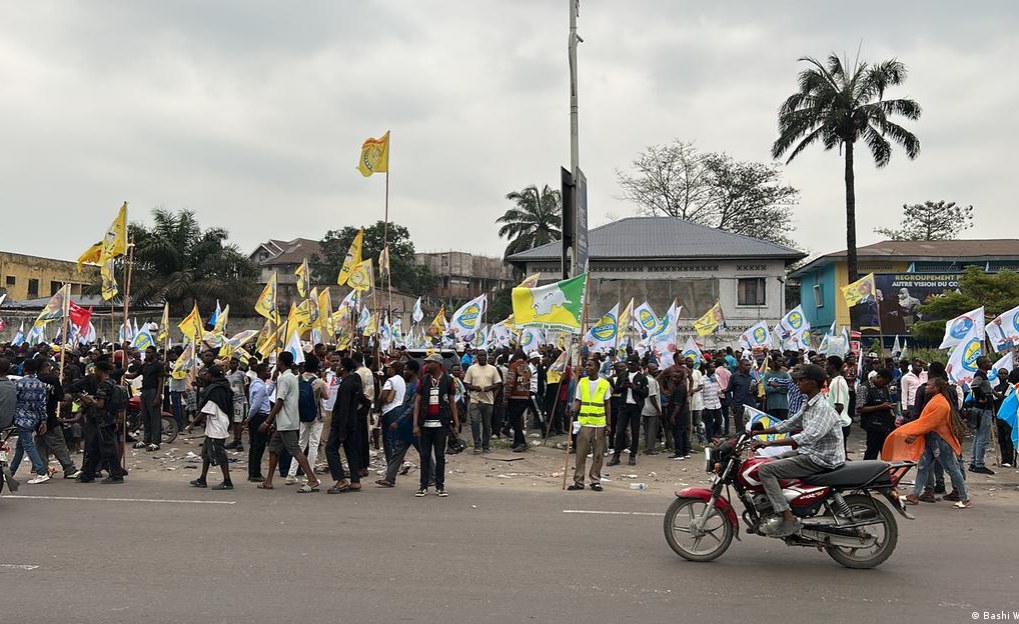
The Coalition Article 64 for the defense of constitutional order concluded its visit to Bujumbura yesterday, following a meeting with Burundian President Évariste Ndayishimiye. While accused of compromising their principles to engage with President Félix Tshisekedi’s administration, coalition leaders clarified their stance in a press statement.
No prearranged meeting, they assert
The delegation, led by Martin Fayulu, denied initiating contact with the Burundian leader. Instead, they claimed President Ndayishimiye reached out in his capacity as current chair of the African Union. During discussions, the Burundian head of state urged the coalition to prioritize political dialogue and national unity, a suggestion the Congolese opposition figures cautiously welcomed—with conditions.
Uncompromising demands for genuine progress
For any meaningful talks to advance, the coalition insists on four non-negotiable prerequisites: an immediate and public abandonment of the constitutional amendment project, the release of political detainees, a halt to politically motivated prosecutions, and the restoration of civil liberties. These demands reflect deep skepticism toward past peace processes that, in their view, failed to address the crisis’s root political causes.
Core principles at stake
The coalition underscores the supremacy of the Constitution, the rule of law, and the Congolese people’s sovereignty as pillars that cannot be compromised. They argue that previous attempts at reconciliation overlooked these fundamental elements, leaving political grievances unresolved and perpetuating instability.
Constitutional reform under fire
The proposed constitutional changes, advanced amid ongoing conflict and territorial occupation, are highlighted as a critical obstacle to peace. Coalition leaders reiterated their opposition to the reform while demanding adherence to institutional order. Their resolve will be tested on July 22 during a planned peaceful march to the Palais de la Nation, where they will press for President Tshisekedi’s resignation, citing what they describe as a breach of his constitutional oath.