
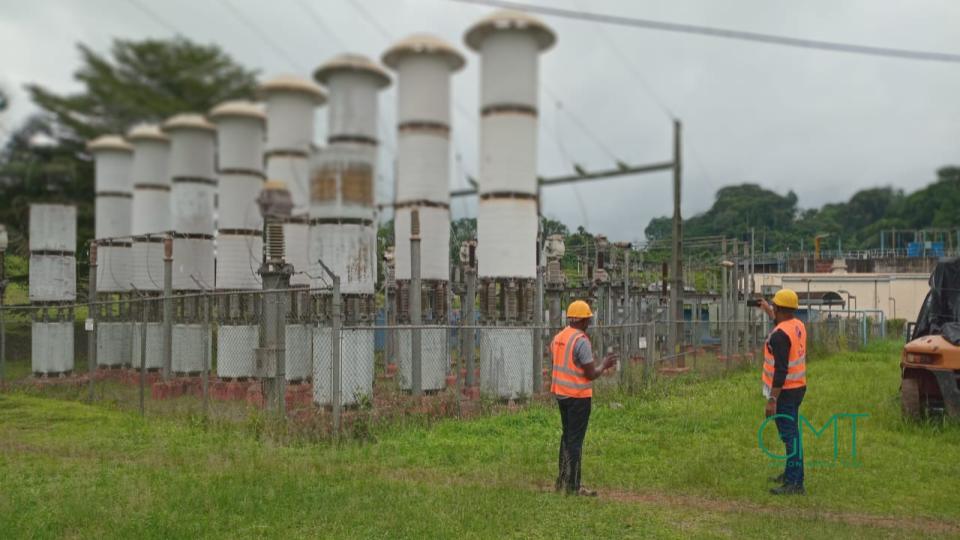
The latest sectoral outlook from the General Directorate of Economy and Fiscal Policy (DGEPF) paints a stark picture: electricity production in Gabon plunged by 13.2% compared to the previous quarter and a staggering 20.1% year-on-year in the first three months of 2026. The findings underscore a systemic vulnerability that citizens have long endured.
Systemic maintenance failures drive energy collapse
Behind these alarming figures lies a web of equipment failures described as ‘numerous breakdowns’ in the report. The root cause points directly to ‘insufficient resources allocated to maintenance’. What appears as bureaucratic language masks a harsh reality: years of chronic underinvestment in the upkeep of the national power grid.
Every delayed repair, every temporary patch, has pushed the system closer to collapse. The cumulative effect of neglect has left the infrastructure dangerously exposed to the strains of time and overuse.
Power outages ripple through water supply systems
The impact extends far beyond darkened homes and stalled appliances. The DGEPF report highlights a dangerous domino effect: frequent power cuts are now crippling the production of clean drinking water. Mechanical seals leak, pumping systems fail—each electrical surge prematurely ages already overburdened equipment.
This vicious cycle reveals a dangerous interdependence among essential services. The collapse of the power grid no longer jeopardizes just daily comfort or economic activity; it directly threatens access to potable water for thousands of households. By simultaneously destabilizing two pillars of public life, the crisis exposes a systemic flaw that transcends the failures of a single operator. Without an urgent, long-term plan to modernize installations, the country risks sliding into a downward spiral of widespread outages.
You may also like
Somaïr and Niger’s uranium collapse: technical failure behind a logistics smokescreen
Why Niger’s soldiers are walking away from Tiani’s army
Behind the sovereignty talk, AES states owe 7,727 billion CFA francs on the regional market
Benin back to school: classes reopen nationwide on 14 september 2026
Sonidep’s 2026 loss: how Niger’s cheap fuel policy is draining the state oil company